The Kailash Via Limi Valley Trek is one of the most remarkable and remote Himalayan journeys in Nepal, combining an extraordinary wilderness trek through the pristine Limi Valley of Humla with a spiritual pilgrimage to the sacred Mount Kailash in Tibet. This unique adventure takes travelers away from the busy trekking routes and into one of the most isolated and culturally fascinating regions of the Himalayas.
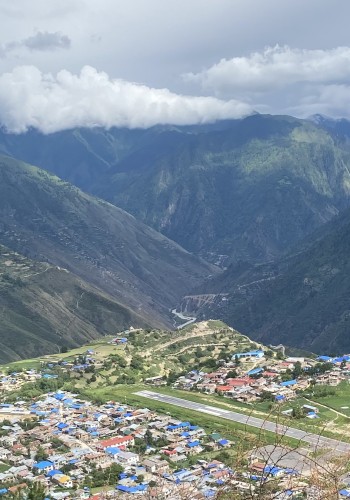
The journey begins in Simikot, the remote administrative center of Humla in northwestern Nepal. From Simikot, the trail leads through rugged mountain landscapes, deep valleys, ancient settlements, forests, high passes, and traditional Himalayan communities before reaching the spectacular Limi Valley. The region is renowned for its untouched natural beauty, ancient Tibetan Buddhist culture, traditional villages, and dramatic Himalayan scenery.
The Limi Valley is one of the hidden treasures of Nepal. Surrounded by towering mountains and crossed by the Limi Khola, the valley is home to traditional villages such as Til, Halji, and Jang. These settlements preserve a distinctive Tibetan-influenced culture, ancient monasteries, traditional stone houses, and centuries-old customs. Walking through the valley provides an opportunity to experience a way of life that has remained largely unchanged for generations.
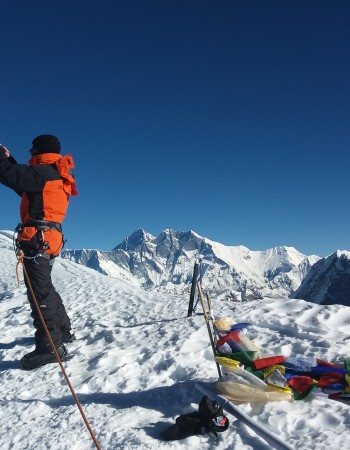
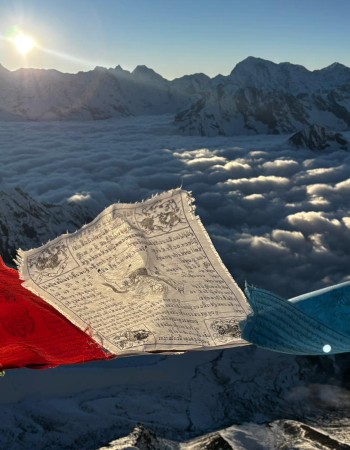
One of the cultural highlights of the journey is visiting ancient Buddhist monasteries in the Limi Valley. Halji Monastery, in particular, is an important religious and cultural site and provides insight into the spiritual traditions of the local communities. The peaceful atmosphere, prayer flags, mani walls, chortens, and monasteries create a deeply spiritual environment throughout the valley.
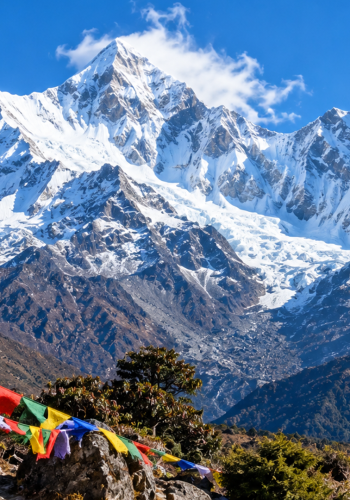
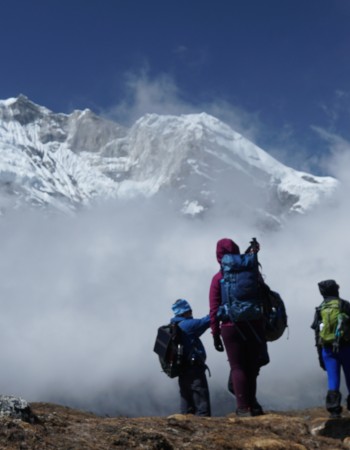
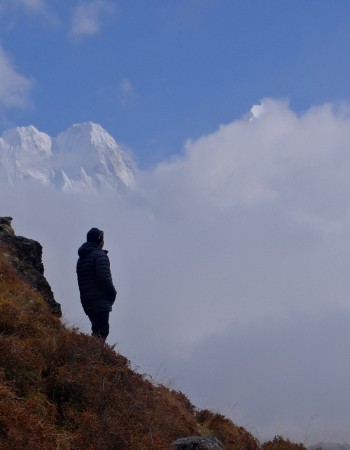
The trek through Limi Valley also offers spectacular natural scenery. Travelers encounter dramatic mountain cliffs, high-altitude plateaus, glacial streams, alpine meadows, rugged trails, and snow-covered Himalayan peaks. The remoteness of the region means that trekkers can enjoy a genuine wilderness experience with very few other travelers.
After exploring the Limi Valley, the journey continues toward the Tibet border and the Kailash region. The transition from the remote valleys of Nepal to the high Tibetan plateau provides an unforgettable change in landscape and culture. Travelers continue toward the sacred Mount Kailash region, where the dramatic scenery and profound spiritual significance create a truly unique pilgrimage experience.
Mount Kailash is considered sacred by several major religions, including Hinduism, Buddhism, Jainism, and Bon. For pilgrims, visiting the Kailash region is a deeply meaningful spiritual journey. The landscape surrounding the mountain is characterized by vast Tibetan plains, high-altitude lakes, snow-covered peaks, and an atmosphere of remarkable peace and devotion.
A major highlight of the pilgrimage is the Kailash Kora, the traditional circumambulation of Mount Kailash. The route takes pilgrims through spectacular high-altitude terrain, with dramatic views of the sacred mountain and surrounding landscapes. The Kora is physically demanding because of the altitude and rugged conditions, but it is also one of the most meaningful experiences of the journey.
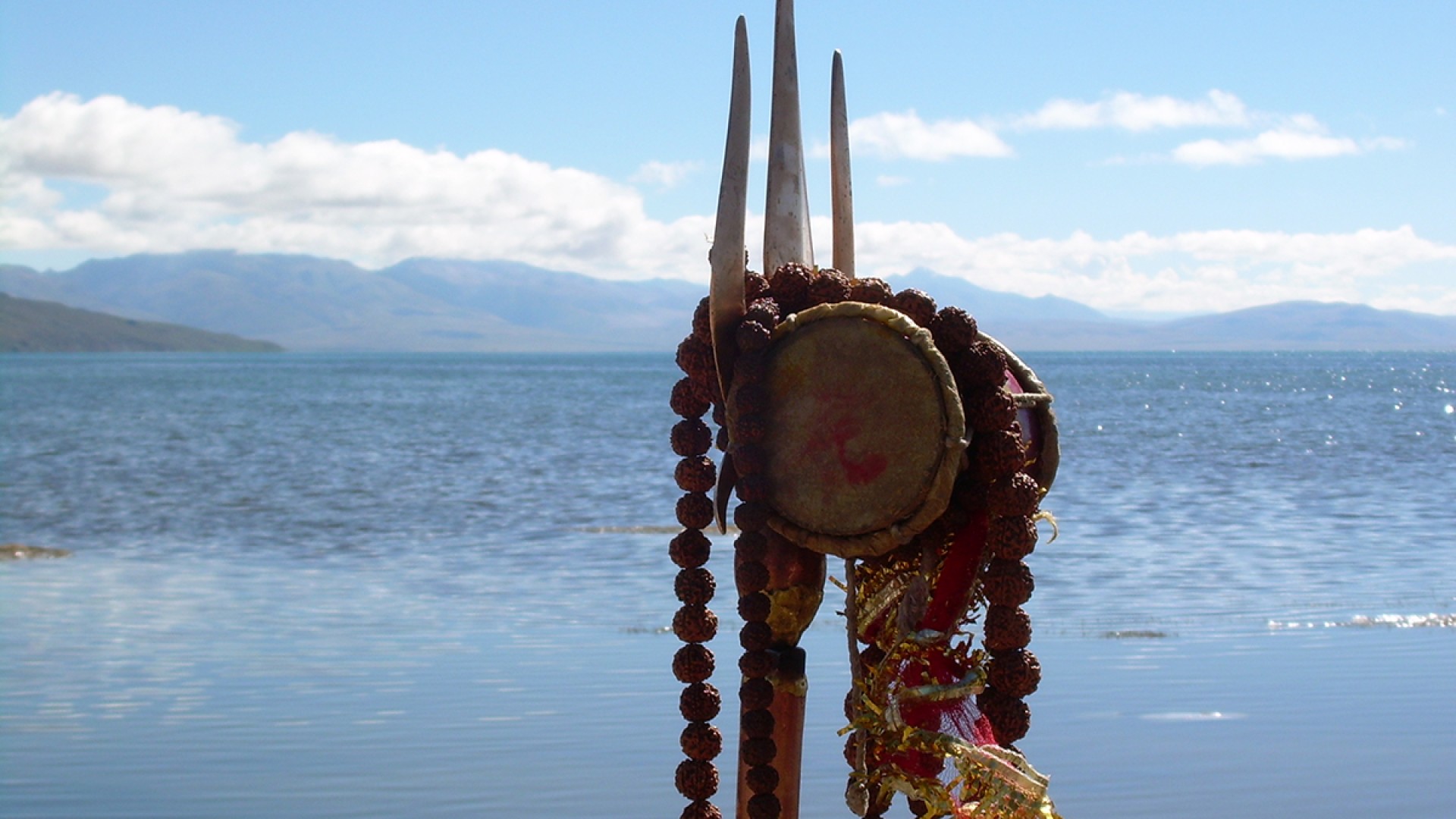
The journey may also include opportunities to visit important sites in the Kailash region, depending on the current route, permits, border conditions, and travel regulations. Lake Manasarovar, one of the most revered lakes in the Himalayas, is another major spiritual and scenic attraction in the region. Its clear waters, surrounding mountains, and religious significance make it an unforgettable part of the Kailash pilgrimage experience.
The Kailash Via Limi Valley Trek is considerably more adventurous than a conventional Kailash tour. The Limi Valley section involves remote trails, long walking days, basic facilities, and high-altitude terrain. Accommodation can be simple, with local guesthouses, homestays, lodges, or camping depending on the route and availability. Travelers should therefore be physically prepared and comfortable with remote Himalayan conditions.
Altitude is an important consideration throughout the journey. The itinerary is designed to allow appropriate acclimatization and gradual adjustment to increasing elevation. Our experienced trekking and pilgrimage team monitors the group's condition and provides guidance on hydration, pacing, rest, and altitude awareness. Weather and mountain conditions can change rapidly, so flexibility is an essential part of traveling in this remote region.
At Nepal New Generation Trek, we specialize in organizing challenging Himalayan adventures and pilgrimage journeys with careful attention to safety, logistics, local communities, and cultural respect. Our team assists with trekking arrangements, transportation, accommodation, meals, guides, permits, border procedures, and other necessary logistics according to the current regulations and conditions.
We work closely with experienced local staff who understand the difficult terrain and unique requirements of the Humla and Limi Valley region. Our goal is to provide travelers with a well-organized journey while maintaining the authentic character of this remote Himalayan adventure.
The Kailash Via Limi Valley Trek is ideal for adventurous trekkers, spiritual travelers, photographers, cultural explorers, and experienced travelers who want to combine the wilderness of western Nepal with the sacred landscapes of Tibet. It offers a rare opportunity to experience remote Himalayan culture before undertaking one of the world's most revered pilgrimages.
From the rugged trails of Simikot and Limi Valley to the sacred landscapes of Mount Kailash and Lake Manasarovar, this journey combines natural beauty, cultural discovery, adventure, and spirituality in an extraordinary Himalayan experience.
Join Nepal New Generation Trek for the Kailash Via Limi Valley Trek and discover the hidden Himalayan world of Humla before continuing toward the sacred Mount Kailash region.


The Kailash Via Limi Valley Trek is an extraordinary Himalayan adventure that combines the remote wilderness of Humla and Limi Valley in northwestern Nepal with a spiritual pilgrimage to the sacred Mount Kailash region in Tibet. This unique journey offers an exceptional combination of breathtaking mountain scenery, ancient Himalayan culture, Buddhist heritage, wilderness trekking, and spiritual exploration.
Starting from Simikot, the gateway to Humla, the trek follows remote mountain trails through traditional villages, dramatic valleys, high mountain passes, pristine forests, and spectacular Himalayan landscapes. The journey through the Limi Valley provides an opportunity to experience traditional Tibetan-influenced communities, ancient monasteries, stone villages, prayer walls, and a peaceful way of life far from modern tourist routes.
After crossing the remote landscapes of Humla and reaching the Tibet region, the journey continues toward the sacred Mount Kailash and Lake Manasarovar. For pilgrims and spiritual travelers, the opportunity to experience the sacred Kailash landscape and undertake the Kailash Kora makes this journey especially meaningful.
The route is remote and physically demanding, requiring good preparation and flexibility. However, the challenges are rewarded with spectacular scenery, authentic cultural encounters, peaceful wilderness, and a profound spiritual experience.
Nepal New Generation Trek carefully organizes the Kailash Via Limi Valley Trek with experienced trekking and pilgrimage guides, transportation, permits, accommodation, meals, border arrangements, and logistical support. Our team is committed to providing a safe, responsible, and memorable journey through one of the most fascinating and least-explored regions of the Himalayas.
Seeking for a real adventure? Our travel itinerary is based on years of trekking expertise, ensuring that you have a fun and safe vacation. However, like with all such risky excursions, there may be instances where we must change the schedule, possibly without much notice. While we make every attempt to stick to the timetable, we humbly ask for your patience and flexibility if unforeseen circumstances like weather or unforeseen natural events come into play. You may be sure that our knowledgeable guides will adjust as needed to make your tour as enjoyable as possible.
Nepal New Generation Trek & Adventure Pvt. Ltd. operates the Kailash Via Limi Valley Trek with careful planning, experienced local staff, and reliable logistical support. Because this is a remote, high-altitude trekking and pilgrimage journey involving Nepal and Tibet, our team manages the trip from arrival in Kathmandu through the completion of the journey.
Our representative welcomes you at Tribhuvan International Airport upon arrival in Kathmandu and transfers you to your hotel. On the final day, our team arranges transportation to the airport approximately 3 hours before your scheduled international flight.
We arrange the necessary trekking permits, Humla Restricted Area permits, Tibet travel documentation, border formalities, and other required permissions in coordination with the relevant authorities. Our team checks the required documents before departure to help ensure a smooth journey.
The itinerary includes domestic flights between Kathmandu, Nepalgunj, and Simikot, followed by private ground transportation through the remote Humla region and Tibet. Vehicles are arranged according to the group size, road conditions, and operational requirements.
The trek is operated by experienced and licensed trekking guides familiar with the remote Humla and Limi Valley region. Our staff provides route guidance, accommodation coordination, meal arrangements, and general support throughout the trekking section.
Accommodation is arranged in hotels, lodges, guesthouses, and basic local facilities according to availability along the remote route. During the trek, meals are provided with consideration for the demanding high-altitude environment. Breakfast, lunch, and dinner are included as specified in the itinerary.
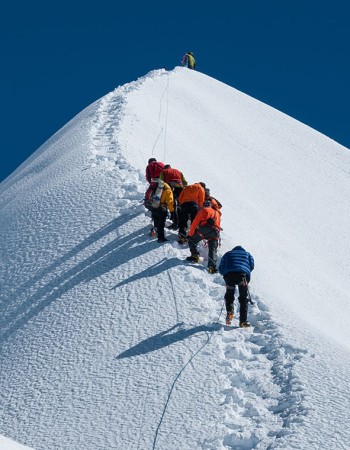
The itinerary is designed to allow gradual altitude gain and appropriate rest where possible. Our guides monitor the group throughout the trek, particularly during the crossing of Nyalo Pass (4,800 m) and the Dolma La Pass (5,630 m). We encourage travelers to maintain a steady pace, stay hydrated, and communicate any symptoms of altitude sickness immediately.
Our team coordinates the pilgrimage arrangements in the Mount Kailash region, including transportation to the starting point of the Kora, accommodation, and logistical support. The sacred Mount Kailash Kora, Lake Manasarovar visit, and associated pilgrimage activities are organized according to local regulations and operational conditions.
Nepal New Generation Trek coordinates the necessary arrangements for crossing between Nepal and Tibet, including transportation and border procedures. Since border conditions and regulations can change, the itinerary may be adjusted when required by the authorities or local conditions.
Our experienced trekking and pilgrimage staff work together to provide professional assistance throughout the journey. We focus on responsible travel, guest safety, smooth logistics, and respectful interaction with local communities and their cultural traditions.
We encourage responsible tourism throughout the Kailash Via Limi Valley Trek. Our operation supports local guides, porters, accommodation providers, and communities while promoting respect for the environment, local culture, monasteries, and sacred sites.
Nepal New Generation Trek & Adventure Pvt. Ltd. is committed to making your Kailash Via Limi Valley journey safe, well organized, culturally respectful, and memorable.
The answers to your questions regarding the Nepal New Generation Trek, what this trip entails, and what is needed can be found in the following frequently asked questions. If your question isn't addressed there, don't hesitate to contact us.








© 2026 -Nepal New Generation Trek & Adventure Pvt. Ltd. All Rights Reserved.
Coded with by KTM Rush.












 Available