Lo-Manthang Trekking is one of Nepal’s most fascinating Himalayan adventures, taking you deep into the remote and culturally rich landscapes of Upper Mustang. Located in the rain-shadow region of the Himalayas, Upper Mustang is famous for its dramatic desert-like landscapes, colorful cliffs, deep canyons, ancient monasteries, traditional Tibetan-style villages, and centuries-old Buddhist culture.
The journey to Lo-Manthang, the historic walled capital of the former Kingdom of Lo, offers an extraordinary combination of natural beauty, cultural discovery, and adventure. The trekking route passes through the spectacular Kali Gandaki valley and remote settlements such as Kagbeni, Chele, Syangboche, Ghami, Tsarang, and Lo-Manthang. Along the way, trekkers can explore ancient monasteries, chortens, prayer walls, traditional houses, and remarkable landscapes shaped by centuries of wind and erosion.
Upper Mustang is often described as a “living museum of Tibetan culture.” Its geographical isolation helped preserve unique traditions, architecture, festivals, religious practices, and lifestyles that have remained relatively unchanged for generations. Visiting Lo-Manthang provides an opportunity to experience this distinctive Himalayan culture while meeting local people and learning about their traditional way of life.
One of the major attractions of the trek is the historic Lo-Manthang walled city, where narrow streets, whitewashed houses, ancient temples, monasteries, and traditional buildings create an unforgettable atmosphere. The surrounding villages also offer opportunities to explore centuries-old Buddhist heritage and discover the spiritual character of the region.
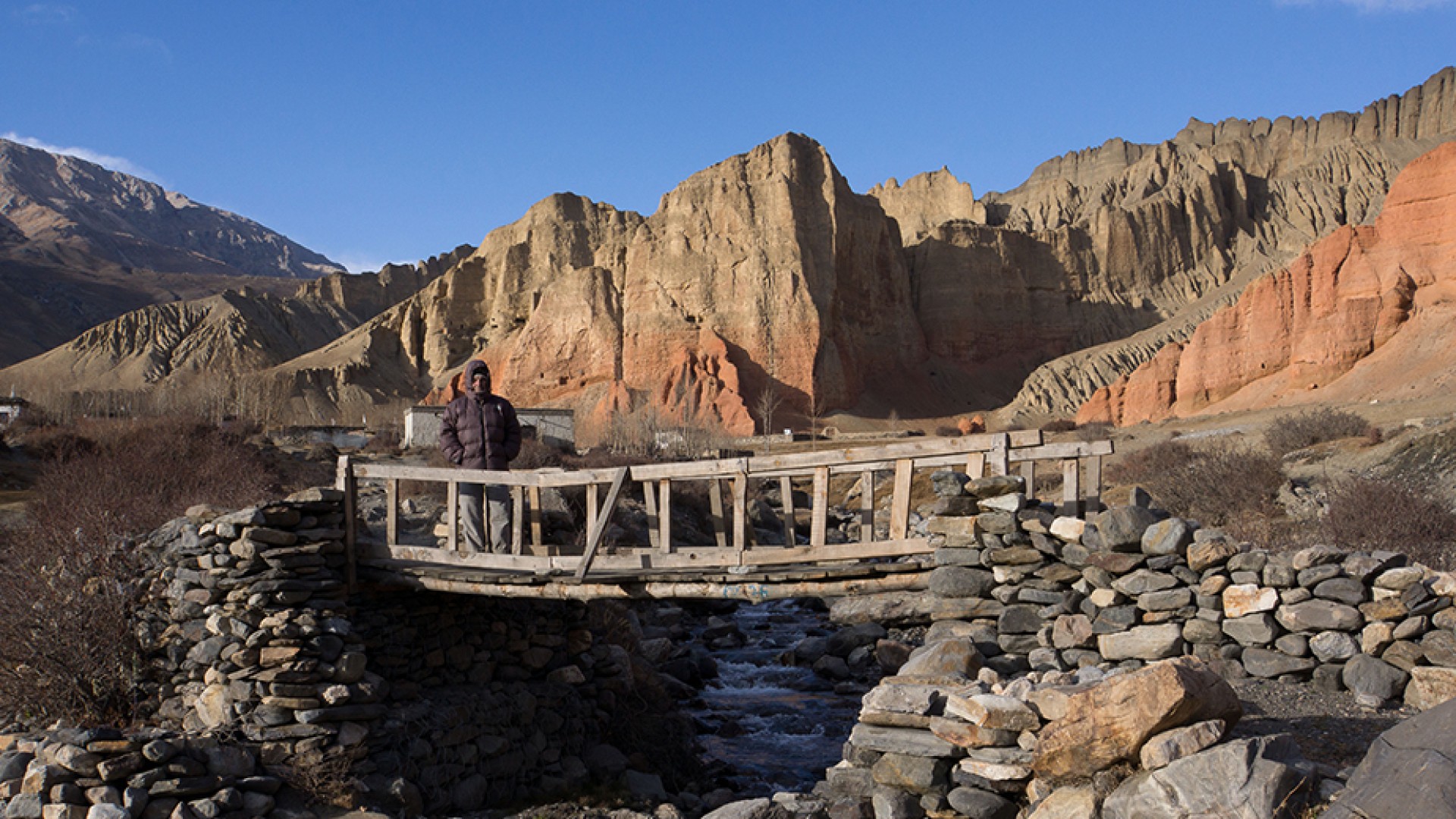
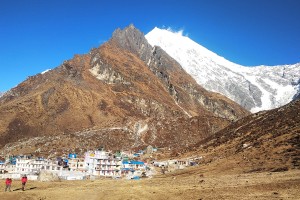
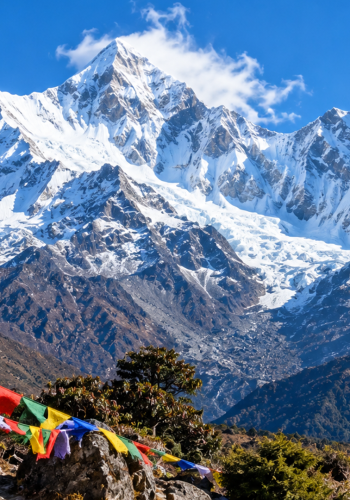
The landscapes of Mustang are equally impressive. Unlike the lush green valleys found on many Nepal trekking routes, Upper Mustang features a spectacular high-altitude desert environment with red and ochre cliffs, barren hills, windswept valleys, unusual rock formations, and dramatic canyons. Throughout the trek, magnificent views of the Dhaulagiri, Annapurna, Nilgiri, and other Himalayan peaks add to the beauty of the journey.
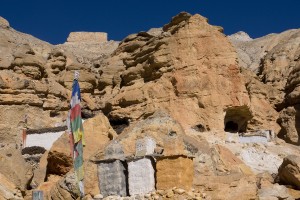
Another highlight is the mysterious cave heritage of Mustang. The region is famous for ancient caves carved into steep cliffs, particularly around Chhoser and other settlements near Lo-Manthang. These caves provide a fascinating glimpse into the history and civilization of the trans-Himalayan region.
The trek also offers the opportunity to experience the wider Mustang region, including Kagbeni, Marpha, Jomsom, and the Kali Gandaki valley. Depending on the itinerary, travelers can combine the Upper Mustang experience with visits to Muktinath, one of Nepal’s most important pilgrimage destinations.
Lo-Manthang was historically the capital of the Kingdom of Lo and remains the cultural heart of Upper Mustang. The journey to this remote settlement feels very different from trekking in other parts of Nepal. The architecture, landscapes, language, religion, and customs have strong connections with the Tibetan cultural world.
The traditional villages along the trail are characterized by whitewashed stone and mud houses, prayer flags, mani walls, chortens, and ancient Buddhist monasteries. The region provides an exceptional opportunity for travelers interested in Himalayan culture, Tibetan Buddhism, history, photography, archaeology, and remote mountain landscapes.
Nepal New Generation Trek organizes carefully planned Lo-Manthang trekking adventures with experienced local guides and professional trekking staff. We arrange the necessary permits, transportation, accommodation, trekking logistics, and local support to make your journey comfortable and enjoyable.
Our itineraries can be customized according to your available holiday period, fitness level, interests, and travel preferences. Travelers can choose from private trekking programs, customized group departures, and other travel options in the Mustang region.
We place strong emphasis on safety, responsible tourism, local culture, and authentic Himalayan experiences. Our experienced guides help travelers understand the history, traditions, religion, and lifestyle of the communities they encounter along the route.
Lo-Manthang Trekking is an excellent choice for travelers who want to explore a less-crowded and culturally distinctive part of Nepal. The trek combines:
The best seasons for Lo-Manthang Trekking are generally spring and autumn, when the weather is more favorable and the mountain views are often excellent. The rain-shadow location of Mustang also makes the region particularly attractive during the monsoon season, when many other trekking areas of Nepal experience heavy rainfall.
Spring generally brings pleasant trekking conditions and clear mountain scenery, while autumn offers stable weather and excellent visibility. Winter trekking is possible for experienced and well-prepared travelers, although temperatures can be very cold and some accommodations and services may operate on a reduced basis.
Accommodation during the trek is generally provided in locally operated teahouses, lodges, and guesthouses. Facilities vary from simple traditional lodges to more comfortable hotels depending on the location.
Meals typically include a variety of Nepalese, Tibetan, Indian, and international dishes. Dal bhat, noodles, soups, Tibetan bread, momos, pasta, rice, vegetables, and other local and continental foods are commonly available along the trekking route.
Lo-Manthang Trekking is much more than a mountain walk. It is an opportunity to travel through one of Nepal’s most extraordinary cultural landscapes and discover a region where ancient traditions, dramatic Himalayan geography, and Tibetan Buddhist heritage come together.
From the Kali Gandaki valley and traditional villages to the ancient monasteries, mysterious cliff caves, colorful landscapes, and historic walled city of Lo-Manthang, every stage of the journey offers something unique.
With Nepal New Generation Trek, you can explore Upper Mustang with experienced local professionals who understand the region and are committed to providing a safe, responsible, and memorable Himalayan adventure.
Join Nepal New Generation Trek for an unforgettable Lo-Manthang Trekking experience and discover the hidden cultural and natural treasures of Upper Mustang, Nepal.


Lo-Manthang Trekking is an extraordinary journey into the remote and culturally fascinating landscapes of Upper Mustang, Nepal. Often known as the “Last Forbidden Kingdom,” Upper Mustang offers a unique combination of dramatic Himalayan scenery, ancient Tibetan Buddhist culture, traditional villages, historic monasteries, and centuries-old heritage.
The trek takes you through the spectacular Kali Gandaki Valley, colorful barren cliffs, deep canyons, high-altitude desert landscapes, and traditional settlements before reaching the ancient walled city of Lo-Manthang, the former capital of the Kingdom of Lo. Along the route, you can discover ancient monasteries, chortens, prayer walls, traditional mud-brick houses, and fascinating cave settlements.
Lo-Manthang is particularly appealing to travelers who want to experience a side of Nepal that is very different from the greener trekking regions. The region's strong Tibetan cultural influence, unique architecture, Buddhist traditions, and remote mountain environment make the trek an unforgettable cultural and Himalayan adventure.
During the journey, trekkers can enjoy spectacular views of the Annapurna, Dhaulagiri, and Nilgiri mountain ranges, while exploring the traditional villages of Mustang and experiencing the warm hospitality of local communities.
Nepal New Generation Trek organizes carefully planned Lo-Manthang Trekking adventures with experienced local guides, reliable trekking logistics, necessary permits, comfortable accommodation, and personalized itineraries. Whether you are interested in Himalayan culture, ancient history, photography, adventure, or remote landscapes, Lo-Manthang Trekking provides an exceptional opportunity to discover one of Nepal's most remarkable destinations.
Seeking for a real adventure? Our travel itinerary is based on years of trekking expertise, ensuring that you have a fun and safe vacation. However, like with all such risky excursions, there may be instances where we must change the schedule, possibly without much notice. While we make every attempt to stick to the timetable, we humbly ask for your patience and flexibility if unforeseen circumstances like weather or unforeseen natural events come into play. You may be sure that our knowledgeable guides will adjust as needed to make your tour as enjoyable as possible.
At Nepal New Generation Trek, we carefully manage every part of your Lo-Manthang Trekking adventure to provide a safe, comfortable, and memorable journey through the remote landscapes of Upper Mustang. Our experienced local team handles the trekking logistics from your arrival in Kathmandu until your final departure.
Our representative will welcome you at Tribhuvan International Airport and transfer you safely to your hotel in Kathmandu. We also arrange your airport transfer for your international departure, normally reaching the airport approximately 3 hours before your scheduled flight.
Before beginning the trek, we arrange guided sightseeing in Kathmandu and a comprehensive trek briefing. Our team checks your trekking equipment, confirms the itinerary, and provides important information about altitude, weather, safety, permits, accommodation, and daily walking conditions.
We arrange comfortable and reliable transportation throughout the itinerary, including:
Your trek is led by an experienced, licensed local trekking guide who understands the Upper Mustang region, its culture, terrain, and mountain environment. Depending on group size and requirements, we provide assistant guides and porters to support the journey.
Upper Mustang is a restricted trekking region, so the necessary permits and official documentation must be arranged before entering the area. Nepal New Generation Trek takes care of the required trekking permits and coordinates the necessary documentation on your behalf.
We arrange carefully selected hotels in Kathmandu and Pokhara and comfortable locally operated teahouses or lodges during the trek. Accommodation standards vary according to location, with more basic facilities available in remote villages.
During the trek, meals are provided at local teahouses and lodges. A selection of Nepalese, Tibetan, Indian, Chinese, and international dishes is generally available. We also advise trekkers on safe drinking-water practices and recommend carrying a reusable water bottle and suitable purification method.
Your safety is our highest priority. Our guides monitor your condition throughout the trek and follow a sensible itinerary designed to allow your body to adapt to increasing altitude. We provide guidance on hydration, pacing, rest, and recognizing symptoms of altitude-related illness.
For travelers interested in exploring the area around Lo-Manthang, we can arrange optional horse riding or private jeep excursions, including visits to the fascinating Chhoser Cave area, subject to local conditions and availability.
We encourage responsible interaction with local communities and help travelers discover the unique Tibetan-influenced culture of Mustang. You can visit ancient monasteries, traditional villages, chortens, mani walls, historic buildings, and other cultural sites while learning about local customs and traditions.
Our trekking team remains in contact throughout the journey and is prepared to coordinate assistance in case of an emergency. If evacuation becomes necessary, we coordinate with the appropriate local service providers and your travel insurance company.
Every traveler has different interests, fitness levels, and holiday schedules. Nepal New Generation Trek can customize the Lo-Manthang itinerary according to your requirements, including private departures, group departures, additional acclimatization days, cultural excursions, horse riding, and jeep tours.
We believe trekking should benefit both travelers and local communities. We encourage environmentally responsible travel, respect for local culture and traditions, responsible waste management, and the use of local accommodation and services wherever possible.
From airport pickup in Kathmandu to your final departure, Nepal New Generation Trek manages the essential logistics so you can concentrate on enjoying the spectacular landscapes, ancient culture, and unforgettable adventure of Lo-Manthang and Upper Mustang.
The exact inclusions and exclusions may vary depending on your Lo-Manthang Trek itinerary, group size, accommodation category, transportation arrangements, and optional activities. Nepal New Generation Trek will provide a detailed quotation and final service list before your trip.
The answers to your questions regarding the Nepal New Generation Trek, what this trip entails, and what is needed can be found in the following frequently asked questions. If your question isn't addressed there, don't hesitate to contact us.






© 2026 -Nepal New Generation Trek & Adventure Pvt. Ltd. All Rights Reserved.
Coded with by KTM Rush.












 Available