Days: 01: Arrive in Kathmandu (1,400 m)
Welcome to Nepal! Upon your arrival at Tribhuvan International Airport, Kathmandu (1,400 m), a representative from Nepal New Generation Trek will warmly welcome you and transfer you to your hotel. After completing the arrival formalities, you will be taken to your hotel where you can rest and relax after your journey. Our trekking team will meet you for a warm introduction and provide important information about your upcoming Thorong La Pass Trek. During the trek briefing, your guide will explain the itinerary, trekking route, accommodation, meals, altitude challenges, safety guidelines, and necessary preparations. This is also a good opportunity to check your trekking equipment and discuss any questions with our experienced team. In the evening, you can explore the vibrant streets of Kathmandu, visit nearby cultural areas, or simply enjoy a relaxing stay before beginning your Himalayan adventure. Highlights: Arrival at Tribhuvan International Airport, Kathmandu Warm welcome by the Nepal New Generation Trek team Private transfer to your hotel Introduction with your trekking guide and team Detailed trek briefing and preparation First experience of Nepalese culture and hospitality Accommodation: Hotel in Kathmandu Meals: Not included (unless arranged in the package) Maximum Altitude: 1,400 m (Kathmandu) Transport: Private airport transfer Nepal New Generation Trek welcomes you to Nepal and ensures a comfortable beginning to your unforgettable Thorong La Pass Trek through the magnificent Annapurna Himalayas.
Days: 02: Kathmandu Valley Sightseeing and Trek Orientation for Thorong La Pass Trek
After breakfast, we begin a guided sightseeing tour of the historic Kathmandu Valley, a UNESCO World Heritage region famous for its ancient temples, cultural heritage, and traditional Nepalese lifestyle. During the sightseeing tour, you will visit some of Kathmandu’s most important cultural landmarks, where you can experience Nepal’s rich history, art, architecture, and spiritual traditions. Your professional tour guide will provide information about the historical and cultural significance of each site. After completing the sightseeing tour, we will have a detailed Thorong La Pass Trek orientation and preparation session. Our trekking guide will explain the complete itinerary, trekking route, altitude conditions, accommodation, meals, safety procedures, and essential packing information. You can also check your trekking equipment and ask any questions before starting your Himalayan adventure. Sightseeing Highlights: Explore the cultural heritage sites of Kathmandu Valley Experience ancient temples, monuments, and local traditions Learn about Nepalese history and culture with a professional guide Prepare for the upcoming Thorong La Pass Trek Trek Orientation Includes: Detailed trek briefing with your guide Information about the Annapurna trekking route Safety and altitude awareness Equipment check and final preparation Introduction to trekking procedures Accommodation: Hotel in Kathmandu Meals: Breakfast Maximum Altitude: 1,400 m (Kathmandu) Transport: Private sightseeing vehicle Nepal New Generation Trek ensures that you are fully prepared before beginning the challenging and rewarding Thorong La Pass Trek, combining cultural exploration with professional trekking preparation.
Days: 03: Drive from Kathmandu (1,400 m) to Timang (2,750 m) via Besisahar and Dharapani
After breakfast, we begin our scenic journey from Kathmandu to Timang by private vehicle. The drive takes us through the beautiful countryside of Nepal, following winding mountain roads alongside rivers, green hills, terraced fields, and traditional villages. Our route passes through Besisahar, the gateway town of the Annapurna region, where we continue toward Dharapani, entering the spectacular Annapurna trekking area. From Dharapani, the road climbs gradually through beautiful mountain landscapes before reaching Timang (2,750 m), a peaceful village with stunning views of the surrounding Himalayas. During the drive, you will experience the changing landscapes of Nepal, from the busy Kathmandu Valley to peaceful rural areas and the dramatic mountain scenery of the Annapurna region. Upon arrival at Timang, we check into a local teahouse and enjoy the beautiful surroundings. The village offers impressive views of Manaslu, Annapurna II, Lamjung Himal, and other Himalayan peaks. Highlights: Scenic drive through Nepal’s countryside Pass through Besisahar, the gateway to Annapurna region Travel through Dharapani and mountain villages Experience rivers, forests, terraced fields, and Himalayan landscapes First overnight stay in the Annapurna mountain region Beautiful views of surrounding Himalayan peaks Accommodation: Teahouse/Lodge in Timang Meals: Breakfast, Lunch, Dinner Driving Duration: Approximately 8–10 hours (depending on road conditions) Maximum Altitude: 2,750 m (Timang) Transport: Private Jeep/Vehicle Nepal New Generation Trek provides comfortable transportation and experienced local support as you begin your unforgettable journey toward the legendary Thorong La Pass (5,416 m).
Days: 04: Trek from Timang (2,750 m) to Dhikur Pokhari (3,060 m)
After breakfast, we begin our first trekking day of the Thorong La Pass Trek from the beautiful village of Timang (2,750 m) toward Dhikur Pokhari (3,060 m). Today’s trail takes us through peaceful mountain landscapes, traditional villages, and scenic Himalayan surroundings. The trek follows the Annapurna Circuit trail through beautiful forests, charming settlements, and open mountain landscapes. Along the way, we enjoy spectacular views of the surrounding peaks, including Manaslu, Annapurna II, Lamjung Himal, and other Himalayan ranges. The trail gradually ascends and descends through the high mountain environment, allowing trekkers to slowly adjust to the increasing altitude. The peaceful atmosphere, fresh mountain air, and views of local village life make this a wonderful introduction to the Annapurna region. Upon reaching Dhikur Pokhari (3,060 m), we settle into a local teahouse and enjoy the beautiful surroundings. The village offers excellent views of the Himalayan landscape and provides a comfortable resting place before continuing toward the higher sections of the trek. Highlights: Start trekking from the scenic village of Timang Walk through beautiful forests and mountain trails Experience traditional Annapurna region villages Enjoy views of Manaslu, Annapurna II, and surrounding peaks Gradual altitude gain for better acclimatization Peaceful overnight stay in Dhikur Pokhari Accommodation: Teahouse/Lodge in Dhikur Pokhari Meals: Breakfast, Lunch, Dinner Trekking Duration: Approximately 5–6 hours Distance: About 10–12 km Maximum Altitude: 3,060 m (Dhikur Pokhari) Difficulty: Moderate Nepal New Generation Trek ensures a comfortable and safe trekking experience with experienced guides, proper pacing, and professional support as you continue your adventure toward Thorong La Pass (5,416 m).
Days: 05: Trek from Dhikur Pokhari (3,060 m) to Ngawal (3,060 m)
After breakfast, we continue our Thorong La Pass Trek from Dhikur Pokhari (3,060 m) to the beautiful mountain village of Ngawal (3,060 m). Today’s trek takes us through scenic trails with breathtaking views of the Annapurna mountain range and the unique landscapes of the Manang region. The trail gradually climbs and descends through peaceful Himalayan terrain, passing traditional settlements, open landscapes, and ancient Buddhist cultural areas. Along the way, we enjoy spectacular views of Annapurna II, Annapurna III, Gangapurna, Tilicho Peak, and Pisang Peak. As we approach Ngawal, one of the most beautiful villages in the Annapurna region, you will notice the traditional stone houses, prayer flags, monasteries, and Tibetan-influenced lifestyle of the local people. The village sits on a hillside and offers panoramic views of the surrounding mountains and valleys. Ngawal is also an excellent place for acclimatization, as it provides a peaceful environment and stunning Himalayan scenery before continuing toward the higher altitude areas of Manang. Highlights: Scenic trek through the upper Annapurna region Beautiful views of Annapurna II, III, Gangapurna, Tilicho Peak, and Pisang Peak Experience traditional Manangi village culture Explore stone-built houses and Buddhist influences Enjoy panoramic Himalayan landscapes from Ngawal village Comfortable acclimatization stop before higher elevations Accommodation: Teahouse/Lodge in Ngawal Meals: Breakfast, Lunch, Dinner Trekking Duration: Approximately 4–5 hours Distance: About 8–10 km Maximum Altitude: 3,060 m (Ngawal) Difficulty: Moderate Nepal New Generation Trek carefully plans the Thorong La Pass Trek itinerary with gradual altitude gain, allowing trekkers to enjoy the Himalayan scenery while preparing safely for the higher sections of the Annapurna Circuit route.
Days: 06: Trek from Ngawal (3,060 m) to Manang (3,519 m)
After breakfast, we continue our Thorong La Pass Trek from the beautiful village of Ngawal (3,060 m) to Manang (3,519 m), one of the most important and scenic settlements in the Annapurna region. The trail descends gradually before joining the main Annapurna Circuit route and continues through beautiful mountain landscapes. Along the way, we enjoy spectacular views of the surrounding Himalayan peaks, including Annapurna II, Annapurna III, Gangapurna, Tilicho Peak, and the impressive Annapurna range. As we approach Manang, the landscape becomes more dramatic with dry alpine valleys, rocky cliffs, and snow-covered mountains surrounding the village. Manang is a traditional Himalayan settlement influenced by Tibetan culture, famous for its monasteries, stone houses, prayer wheels, and breathtaking mountain views. Upon arrival in Manang (3,519 m), we check into a local teahouse and enjoy the peaceful atmosphere of this beautiful mountain village. Manang is also an important acclimatization point before ascending to higher elevations toward Thorong La Pass. Highlights: Scenic trek through the upper Manang Valley Stunning views of Annapurna II, III, Gangapurna, and Tilicho Peak Experience traditional Manangi culture and lifestyle Explore the beautiful village of Manang Enjoy dramatic high-altitude landscapes Prepare for further ascent toward Thorong La Pass Accommodation: Teahouse/Lodge in Manang Meals: Breakfast, Lunch, Dinner Trekking Duration: Approximately 3–4 hours Distance: About 10 km Maximum Altitude: 3,519 m (Manang) Difficulty: Moderate Nepal New Generation Trek ensures proper acclimatization and a comfortable pace during the Thorong La Pass Trek, helping trekkers safely adjust to the increasing altitude while enjoying the incredible beauty of the Annapurna Himalayas.
Days: 07: Acclimatization Day at Manang (3,519 m)
Today is an important acclimatization day in Manang (3,519 m) to help your body adjust to the increasing altitude before continuing toward the higher sections of the Thorong La Pass Trek. Proper acclimatization plays a vital role in reducing the risk of altitude-related problems and ensuring a safe and enjoyable trekking experience. After breakfast, we take a short acclimatization hike around the beautiful Manang Valley. A popular option is a hike to nearby viewpoints, monasteries, or higher villages, where you can enjoy breathtaking panoramic views of the surrounding Himalayan peaks. During the acclimatization hike, you can explore the unique culture and natural beauty of the region, including traditional stone houses, Buddhist monasteries, prayer wheels, and the daily lifestyle of the local Manangi people. The views from around Manang are spectacular, with impressive sights of Gangapurna, Annapurna II, Annapurna III, Tilicho Peak, and the surrounding Himalayan ranges. After the hike, we return to Manang for rest and preparation for the upcoming journey toward Yak Kharka, Thorong Phedi, and the legendary Thorong La Pass. Highlights: Important acclimatization day at 3,519 m Short scenic hike around Manang Valley Explore traditional Manangi culture and Buddhist heritage Visit local monasteries and viewpoints Enjoy panoramic views of Gangapurna, Annapurna, and Tilicho Peak Prepare physically and mentally for higher altitude trekking Accommodation: Teahouse/Lodge in Manang Meals: Breakfast, Lunch, Dinner Hiking Duration: Approximately 3–4 hours (optional acclimatization hike) Maximum Altitude: 3,519 m (Manang) Difficulty: Easy to Moderate Nepal New Generation Trek includes a proper acclimatization day in Manang to support your safety and comfort before crossing the challenging and spectacular Thorong La Pass (5,416 m).
Days: 08: Trek from Manang (3,519 m) to Yak Kharka (4,018 m)
After breakfast, we continue our Thorong La Pass Trek from the beautiful village of Manang (3,519 m) toward Yak Kharka (4,018 m). Today’s trail takes us deeper into the high-altitude landscape of the Annapurna region, with stunning views of snow-covered mountains and alpine scenery. The trek begins with a gradual climb through the upper Manang Valley, passing through dry landscapes, juniper bushes, and traditional grazing areas used by local yak herders. As we gain altitude, the vegetation becomes thinner, and the scenery changes into a more rugged Himalayan environment. Along the way, we enjoy spectacular views of the surrounding peaks, including Annapurna III, Gangapurna, Tilicho Peak, and the Chulu mountain range. The peaceful trail and dramatic mountain landscapes make this section of the trek truly memorable. Upon reaching Yak Kharka (4,018 m), we settle into a local teahouse and rest while enjoying the peaceful high-altitude surroundings. Yak Kharka is an important overnight stop that helps prepare trekkers for the next challenging sections toward Thorong Phedi and Thorong La Pass. Highlights: Trek through the upper Manang Valley Gradual ascent into high-altitude terrain Experience alpine landscapes and yak grazing areas Stunning views of Gangapurna, Tilicho Peak, and Chulu ranges Peaceful mountain trail with fewer settlements Important acclimatization stop before Thorong La Pass Accommodation: Teahouse/Lodge in Yak Kharka Meals: Breakfast, Lunch, Dinner Trekking Duration: Approximately 4–5 hours Distance: About 9–10 km Maximum Altitude: 4,018 m (Yak Kharka) Difficulty: Moderate Nepal New Generation Trek carefully manages the high-altitude sections of the Thorong La Pass Trek with gradual elevation gain, experienced guides, and safety-focused planning to ensure a successful Himalayan adventure.
Days: 09: Trek from Yak Kharka (4,018 m) to Thorong Phedi (4,540 m)
After breakfast, we continue our Thorong La Pass Trek from Yak Kharka (4,018 m) to Thorong Phedi (4,540 m), the final settlement before crossing the legendary Thorong La Pass (5,416 m). Today’s trail takes us through a high-altitude Himalayan landscape with gradual ascents, rocky paths, and dramatic mountain scenery. The route follows the Marsyangdi Valley, crossing suspension bridges and passing through barren alpine terrain surrounded by towering peaks. As we climb higher, the air becomes thinner, so we maintain a slow and steady pace to allow proper acclimatization. Along the way, we enjoy impressive views of Gangapurna, Annapurna ranges, Chulu Peak, and the surrounding Himalayan mountains. Upon reaching Thorong Phedi (4,540 m), we settle into a local teahouse and prepare for the most challenging and rewarding day of the trek—the crossing of Thorong La Pass. The evening is spent resting, organizing gear, and preparing for an early morning start. Highlights: Trek through high-altitude Himalayan terrain Walk beneath spectacular mountain peaks Experience the remote and rugged landscape of the Annapurna region Reach Thorong Phedi, the base camp for Thorong La Pass crossing Prepare for crossing one of the world’s highest trekking passes Accommodation: Teahouse/Lodge in Thorong Phedi Meals: Breakfast, Lunch, Dinner Trekking Duration: Approximately 3–4 hours Distance: About 7–8 km Maximum Altitude: 4,540 m (Thorong Phedi) Difficulty: Moderate to Challenging Nepal New Generation Trek ensures proper preparation, safety guidance, and experienced support before the exciting crossing of Thorong La Pass (5,416 m), the highlight of your Himalayan adventure.
Days: 10: Trek from Thorong Phedi (4,540 m) to Muktinath (3,760 m) via Thorong La Pass (5,416 m), Drive to Marpha Village (2,670 m)
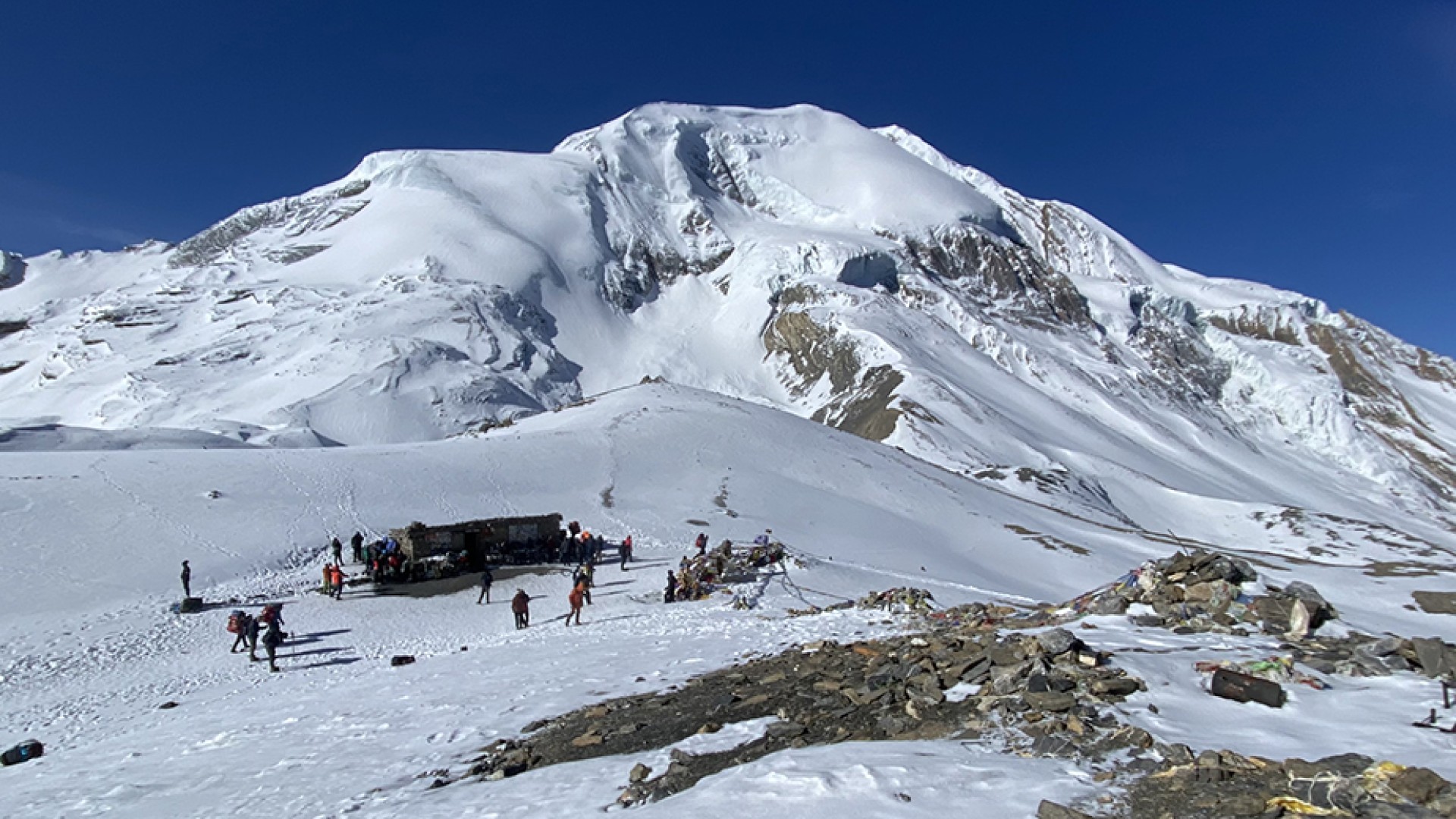
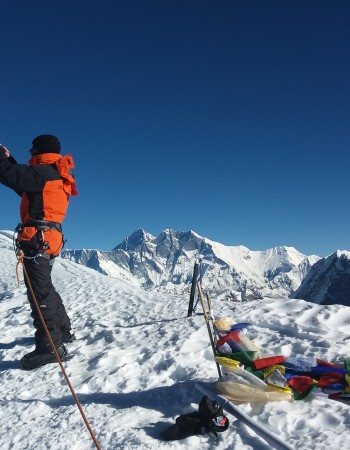
Today is the most challenging and rewarding day of the Thorong La Pass Trek as we cross the famous Thorong La Pass (5,416 m), one of the highest trekking passes in the world. We start early in the morning from Thorong Phedi (4,540 m) and ascend gradually toward the pass. The trail climbs through rocky and high-altitude terrain, and after several hours of steady walking, we reach the top of Thorong La Pass. From the summit, you are rewarded with breathtaking panoramic views of the magnificent Himalayan peaks, including Annapurna, Dhaulagiri, Gangapurna, Tilicho Peak, and the surrounding mountain ranges. After enjoying the incredible scenery and taking memorable photographs, we begin the long descent toward the sacred village of Muktinath (3,760 m). Muktinath is an important pilgrimage site for both Hindus and Buddhists, famous for its temple, natural springs, and spiritual significance. After exploring Muktinath, we take a scenic drive toward Marpha Village (2,670 m), a beautiful traditional settlement in the Mustang region. Marpha is famous for its apple orchards, stone-paved streets, whitewashed houses, and traditional Thakali culture. Highlights: Cross the legendary Thorong La Pass at 5,416 m Enjoy spectacular Himalayan panoramic views Experience the achievement of crossing one of Nepal’s highest trekking passes Visit the sacred Muktinath Temple Scenic drive through the Mustang landscape Explore beautiful Marpha Village and its traditional culture Enjoy local apple products and Thakali hospitality Accommodation: Teahouse/Lodge in Marpha Village Meals: Breakfast, Lunch, Dinner Trekking Duration: Approximately 7–9 hours Driving Duration: Approximately 2–3 hours (Muktinath to Marpha) Maximum Altitude: 5,416 m (Thorong La Pass) Difficulty: Challenging Nepal New Generation Trek provides experienced guides, careful planning, and professional support to help you safely complete the spectacular crossing of Thorong La Pass and continue your unforgettable journey through the Annapurna and Mustang regions.
Days: 11: Drive from Marpha Village (2,670 m) to Pokhara (884 m)
After breakfast, we leave the beautiful Marpha Village (2,670 m) and begin our scenic drive toward Pokhara (884 m), the peaceful lakeside city and gateway to the Annapurna region. The journey follows the Kali Gandaki Valley, one of the deepest river valleys in the world, passing through charming mountain villages, waterfalls, green hills, and dramatic landscapes. Along the way, you will experience the incredible change in scenery from the dry Mustang region to the lush lower Himalayan foothills. During the drive, we pass through traditional settlements such as Tukche, Kalopani, Ghasa, Tatopani, and Beni, enjoying views of the surrounding mountains and local lifestyles. Upon arrival in Pokhara, we transfer you to your hotel where you can relax after completing the challenging and rewarding Thorong La Pass Trek. In the evening, you can enjoy the beautiful atmosphere of Phewa Lake, explore the Lakeside area, or celebrate the successful completion of your Himalayan adventure. Highlights: Scenic drive through the Kali Gandaki Valley Enjoy views of mountains, rivers, waterfalls, and villages Experience the changing landscapes from Mustang to Pokhara Pass through traditional Himalayan settlements Relax at beautiful Lakeside Pokhara after the trek Accommodation: Hotel in Pokhara Meals: Breakfast, Lunch Driving Duration: Approximately 7–9 hours (depending on road conditions) Distance: Approximately 160 km Maximum Altitude: 2,670 m (Marpha) / 884 m (Pokhara) Transport: Private Vehicle Nepal New Generation Trek ensures a comfortable return journey after your successful Thorong La Pass Trek, providing quality service and unforgettable memories of the Annapurna Himalayas.
Days: 12: Flight from Pokhara (884 m) to Kathmandu (1,400 m)
After breakfast, we transfer you to Pokhara Airport for a scenic domestic flight back to Kathmandu (1,400 m). This short and beautiful flight offers stunning aerial views of Nepal’s diverse landscapes, including green hills, valleys, rivers, and the Himalayan mountain ranges on clear days. Upon arrival at Tribhuvan International Airport, Kathmandu, our team will transfer you to your hotel. You will have free time to relax, explore the cultural attractions of Kathmandu, enjoy shopping in Thamel, or spend your remaining time experiencing the vibrant atmosphere of Nepal’s capital city. In the evening, we organize a farewell dinner to celebrate the successful completion of your challenging and memorable Thorong La Pass Trek and share the wonderful experiences of your Himalayan journey. Highlights: Scenic flight from Pokhara to Kathmandu Beautiful aerial views of Nepal’s mountains and landscapes Comfortable transfer to your Kathmandu hotel Free time for relaxation, sightseeing, or shopping Farewell celebration with the Nepal New Generation Trek team Accommodation: Hotel in Kathmandu Meals: Breakfast and Farewell Dinner Flight Duration: Approximately 25–30 minutes Maximum Altitude: 1,400 m (Kathmandu) Transport: Private airport transfer Nepal New Generation Trek ensures a comfortable and memorable conclusion to your Thorong La Pass Trek, leaving you with unforgettable memories of Nepal’s Himalayan beauty, culture, and adventure.
Days: 13: Transfer to the International Airport for Your Final Departure
After breakfast, your incredible Thorong La Pass Trek journey comes to an end. According to your international flight schedule, a representative from Nepal New Generation Trek will transfer you from your hotel to Tribhuvan International Airport, Kathmandu (1,400 m) for your final departure. We hope you leave Nepal with unforgettable memories of crossing the legendary Thorong La Pass (5,416 m), exploring the Annapurna region, experiencing Himalayan culture, and enjoying the warm hospitality of the local communities. Our team will assist you with your airport transfer and wish you a safe and pleasant journey back home. We look forward to welcoming you again for another adventure in Nepal, including trekking, tours, peak climbing, and Himalayan expeditions. Highlights: Private transfer to Tribhuvan International Airport Assistance before your international departure Farewell from the Nepal New Generation Trek team Completion of your Thorong La Pass Trek adventure Accommodation: Not included (Departure day) Meals: Breakfast Transport: Private airport transfer Destination: Tribhuvan International Airport, Kathmandu (1,400 m) Thank you for choosing Nepal New Generation Trek – Your trusted partner for unforgettable Himalayan adventures.






















 Available