Days: 1: Arrive in Kathmandu (1,400 m) – Nepal New Generation Trek
Welcome to Nepal! Upon your arrival at Tribhuvan International Airport in Kathmandu (1,400 m), a representative from Nepal New Generation Trek will warmly greet you and transfer you to your hotel. After check-in, you can relax and recover from your journey or explore the vibrant streets of Thamel, Kathmandu's popular tourist district. In the evening, we will provide a detailed briefing about the Annapurna Circuit with Tilicho Lake Trek, including the itinerary, permits, safety information, and trekking preparation. This is also a great opportunity to meet your guide and ask any questions about the adventure ahead. Accommodation: Hotel in Kathmandu Meals: Welcome Dinner Altitude: 1,400 m Activities: Airport pickup, hotel transfer, trek briefing, and free time in Kathmandu
Days: 2: Guided Sightseeing in the Kathmandu Valley & Preparation for Annapurna Circuit with Tilicho Lake Trek
Today, you will enjoy a guided sightseeing tour of the beautiful Kathmandu Valley before beginning your unforgettable Annapurna Circuit with Tilicho Lake Trek. After breakfast, our experienced city guide from Nepal New Generation Trek will take you to explore the cultural and historical highlights of Kathmandu, a UNESCO World Heritage Site. You will visit the sacred Pashupatinath Temple, one of the most important Hindu pilgrimage sites in Nepal, and explore the impressive Boudhanath Stupa, a major center of Tibetan Buddhist culture. The tour continues to Swayambhunath Stupa (Monkey Temple), where you can enjoy panoramic views of Kathmandu city, followed by a visit to Kathmandu Durbar Square, known for its ancient palaces, temples, and traditional Newari architecture. After completing the sightseeing tour, you will return to the hotel for final preparation for the Annapurna Circuit with Tilicho Lake Trek. Our trekking team will conduct a detailed trek briefing, check your trekking equipment, confirm permits, and provide important information about the route, altitude, safety, and daily walking schedule. This preparation day ensures you are fully ready for your Himalayan adventure through the Annapurna region, including the spectacular Tilicho Lake (4,919 m) and the challenging Thorong La Pass (5,416 m) crossing. Highlights: Guided Kathmandu Valley sightseeing tour Visit UNESCO World Heritage Sites Explore Pashupatinath Temple, Boudhanath Stupa, Swayambhunath Stupa, and Kathmandu Durbar Square Experience Nepal’s rich culture and history Trek briefing with your experienced guide Final equipment check and preparation for Annapurna Circuit with Tilicho Lake Trek Permit and documentation arrangement Accommodation: Hotel in Kathmandu Meals: Breakfast Maximum Altitude: 1,400 m Activity: Cultural sightseeing & trek preparation Trek Preparation: Ready for the Annapurna Circuit with Tilicho Lake adventure starting the following day.
Days: 3: Drive from Kathmandu to Timang (2,750 m) via Besisahar and Dharapani
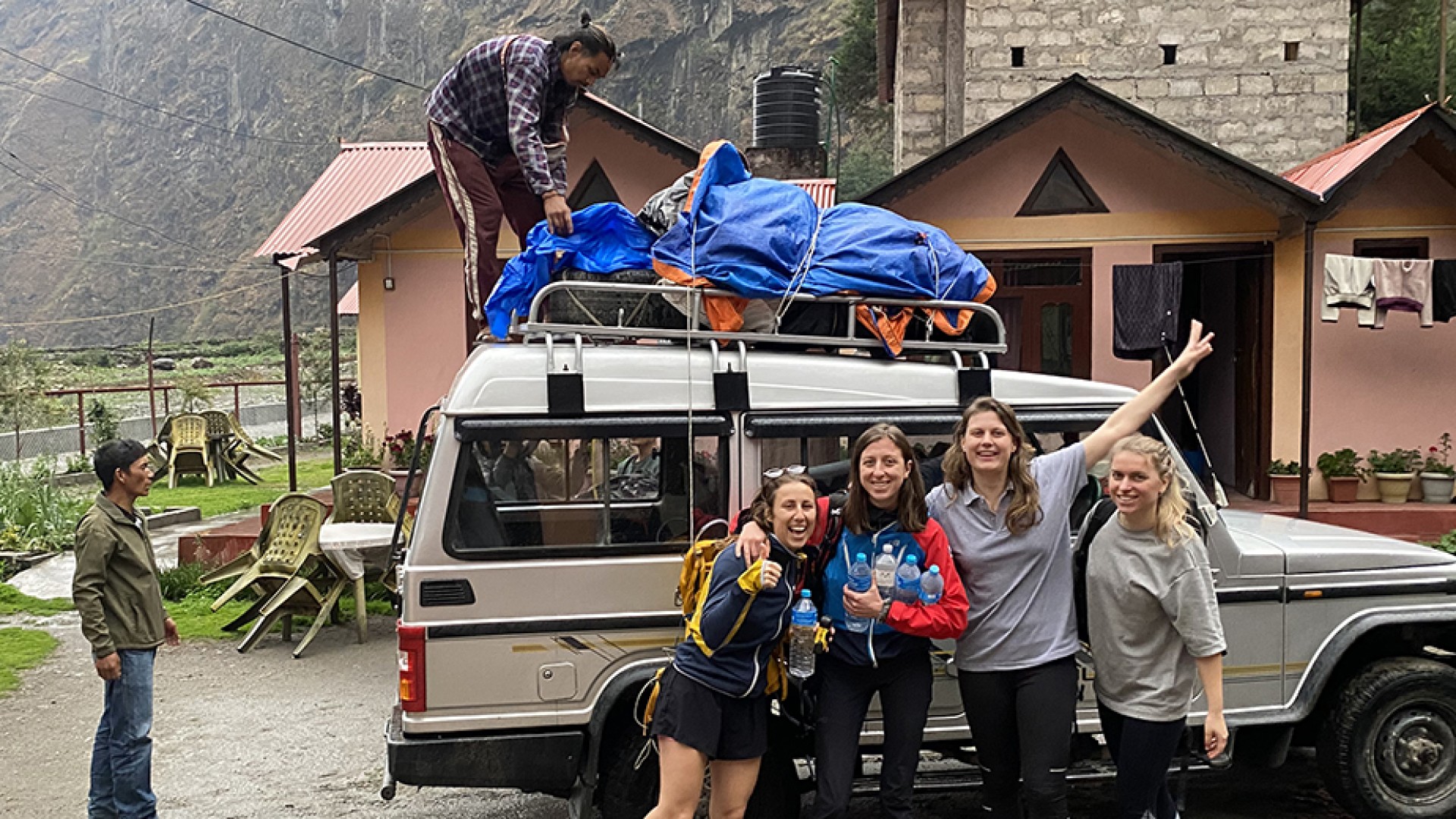
After breakfast, we begin our scenic drive from Kathmandu to Timang (2,750 m), the starting point of our trekking adventure in the Annapurna region. The journey takes us through Nepal’s beautiful countryside, passing green hills, terraced farmlands, rivers, waterfalls, and traditional mountain villages. We drive along the Prithvi Highway towards Besisahar (760 m), the main gateway to the Annapurna Circuit Trek. From Besisahar, the route follows the spectacular Marsyangdi River Valley, offering impressive views of waterfalls, deep gorges, and Himalayan landscapes. Continuing further, we pass through Dharapani (1,860 m), the official entry point of the Annapurna Conservation Area and an important village on the Annapurna Circuit trail. From Dharapani, the drive continues on a mountain road through beautiful forests and settlements until we reach Timang (2,750 m). Timang is a peaceful Gurung village located above Dharapani, surrounded by pine forests and offering magnificent views of Manaslu, Lamjung Himal, Annapurna II, and other Himalayan peaks. After arriving at Timang, we check into a local teahouse, enjoy a warm meal, and rest while preparing for the upcoming trek. Highlights: Scenic drive from Kathmandu to the Annapurna region Pass through Besisahar and the Marsyangdi River Valley Explore the beautiful mountain road via Dharapani Enter the Annapurna Conservation Area Reach Timang village at 2,750 m altitude Stunning views of Manaslu and Annapurna mountain ranges Experience authentic Himalayan village life Accommodation: Teahouse/Lodge in Timang Meals: Breakfast, Lunch, Dinner Drive Duration: Approximately 8–10 hours Distance: About 220 km (approx.) Maximum Altitude: 2,750 m (Timang) Transport: Private Jeep/Vehicle Nepal New Generation Trek ensures a comfortable and safe journey with experienced drivers and well-arranged transportation for your Annapurna Circuit with Tilicho Lake Trek.
Days: 4: Trek from Timang (2,750 m) to Dhikur Pokhari (3,060 m)
After breakfast at Timang, we begin our first trekking day of the Annapurna Circuit with Tilicho Lake Trek. The trail gradually climbs through beautiful pine and rhododendron forests, offering magnificent views of the surrounding Himalayan peaks and the Marsyangdi River valley. Leaving Timang, we follow the scenic mountain trail toward Thanchowk and Koto, enjoying the peaceful atmosphere of the Annapurna region. Along the way, we pass traditional villages, Buddhist prayer flags, mani walls, and local settlements where you can experience the unique culture and lifestyle of the Gurung and Manangi communities. The trek continues toward Dhikur Pokhari (3,060 m), a beautiful high-altitude settlement surrounded by impressive mountain landscapes. During the walk, you will enjoy spectacular views of Annapurna II, Annapurna IV, Lamjung Himal, Gangapurna, and Pisang Peak. The changing landscapes from forests to alpine terrain make this section a memorable introduction to the higher Himalayas. Upon reaching Dhikur Pokhari, we settle into a local teahouse and enjoy the peaceful mountain environment while preparing for the next stages of the Annapurna Circuit and Tilicho Lake adventure. Highlights: First trekking day in the Annapurna region Scenic walk through pine and rhododendron forests Experience traditional Himalayan villages and local culture Views of Annapurna II, Annapurna IV, Lamjung Himal, Gangapurna, and Pisang Peak Beautiful landscapes of the Marsyangdi River Valley Gradual acclimatization as we gain altitude Accommodation: Teahouse/Lodge in Dhikur Pokhari Meals: Breakfast, Lunch, Dinner Trekking Duration: 5–6 hours Distance: Approximately 10–12 km Maximum Altitude: 3,060 m (Dhikur Pokhari) Difficulty: Moderate Nepal New Generation Trek provides experienced guides and carefully planned itineraries to ensure a safe and enjoyable trekking experience while allowing proper acclimatization in the Himalayas.
Days: 5: Trek from Dhikur Pokhari (3,060 m) to Ngawal (3,060 m)
After breakfast, we continue our Annapurna Circuit with Tilicho Lake Trek toward the beautiful village of Ngawal (3,060 m). Today’s trek is relatively short and enjoyable, allowing us to walk at a comfortable pace while adjusting to the increasing altitude. The trail follows the scenic upper Marsyangdi Valley, passing through beautiful landscapes, ancient Buddhist monuments, and traditional mountain settlements. Along the way, we enjoy breathtaking views of the surrounding Himalayan peaks, including Annapurna II, Annapurna III, Annapurna IV, Gangapurna, Tilicho Peak, and Chulu ranges. As we approach Ngawal, the scenery becomes more dramatic, with wide views of the Annapurna mountain range and the deep valley below. Ngawal is one of the most beautiful villages in the Manang region, featuring traditional stone houses, prayer flags, monasteries, and a unique Tibetan-influenced culture. The village offers excellent opportunities to experience the local lifestyle and enjoy spectacular sunset views over the Himalayas. After reaching Ngawal, we check into a local teahouse and relax while enjoying the peaceful atmosphere of this charming Himalayan village. Highlights: Scenic trek through the upper Marsyangdi Valley Comfortable walking day for acclimatization Traditional Himalayan village experience Explore Tibetan-influenced culture and Buddhist traditions Beautiful views of Annapurna II, III, IV, Gangapurna, Tilicho Peak, and Chulu ranges Enjoy panoramic mountain views from Ngawal village Accommodation: Teahouse/Lodge in Ngawal Meals: Breakfast, Lunch, Dinner Trekking Duration: 4–5 hours Distance: Approximately 8–10 km Maximum Altitude: 3,060 m (Ngawal) Difficulty: Moderate Nepal New Generation Trek carefully designs the itinerary with gradual altitude gain and acclimatization opportunities to make your Annapurna Circuit with Tilicho Lake Trek safer, more comfortable, and more enjoyable.
Days: 6: Trek from Ngawal (3,060 m) to Manang (3,519 m)
After breakfast, we continue our Annapurna Circuit with Tilicho Lake Trek with a short and scenic walk from Ngawal to Manang (3,519 m). Today’s trail allows us to enjoy the spectacular Himalayan scenery while gradually gaining altitude and preparing our bodies for the higher elevations ahead. The trail descends gently from Ngawal and follows the beautiful Marsyangdi Valley, passing through traditional villages, Buddhist chortens, prayer wheels, and mani walls. Along the way, we are surrounded by breathtaking views of the Annapurna mountain range, Gangapurna, Tilicho Peak, and the Chulu Himal ranges. We reach Manang, the largest village in the upper Manang Valley and an important acclimatization point on the Annapurna Circuit. This beautiful Himalayan settlement is surrounded by snow-capped peaks and offers a fascinating glimpse into the Tibetan-influenced culture, traditions, and lifestyle of the local Manangi people. After arriving in Manang, you can explore the village, visit ancient monasteries, walk around the local market, or simply relax while enjoying the incredible mountain views. This stop is also important for acclimatization before heading toward Tilicho Lake and higher elevations. Highlights: Short and scenic trek from Ngawal to Manang Walk through the beautiful upper Marsyangdi Valley Explore traditional Manangi villages and Buddhist culture Visit monasteries, prayer wheels, and mani walls Stunning views of Annapurna II, Annapurna III, Gangapurna, Tilicho Peak, and Chulu Himal Arrive at Manang, a key acclimatization village Accommodation: Teahouse/Lodge in Manang Meals: Breakfast, Lunch, Dinner Trekking Duration: Approximately 3 hours Distance: About 9 km Maximum Altitude: 3,519 m (Manang) Difficulty: Easy to Moderate Nepal New Generation Trek ensures a gradual ascent and proper acclimatization to help trekkers safely enjoy the high-altitude beauty of the Annapurna Circuit with Tilicho Lake adventure.
Days: 7: Acclimatization Day at Manang (3,519 m)
Today is a valuable acclimatization day in Manang (3,519 m) to help your body adjust to the increasing altitude before continuing toward Tilicho Lake and Thorong La Pass. Proper acclimatization is an important part of a safe and enjoyable Annapurna Circuit with Tilicho Lake Trek. After breakfast, we take a short acclimatization hike around the Manang Valley. You can hike to nearby viewpoints such as Gangapurna Lake and Gangapurna Glacier, or visit higher viewpoints above the village for stunning panoramic views of the surrounding Himalayan peaks. The short hike helps improve altitude adaptation while providing unforgettable mountain scenery. During the day, you can explore the beautiful village of Manang, visit local monasteries, observe traditional Manangi culture, and enjoy views of magnificent peaks including Annapurna II, Annapurna III, Annapurna IV, Gangapurna, Tilicho Peak, and Chulu Himal. Manang is a culturally rich Himalayan settlement influenced by Tibetan Buddhism, with ancient gompas, prayer flags, mani walls, and traditional stone houses. It is also a perfect place to rest, prepare trekking gear, and enjoy the peaceful mountain atmosphere before heading toward higher elevations. Highlights: Important acclimatization day at 3,519 m Short hike to Gangapurna Lake and surrounding viewpoints Spectacular views of Annapurna and Chulu mountain ranges Explore traditional Manangi village and Buddhist culture Visit monasteries, prayer wheels, and local settlements Prepare for the challenging high-altitude sections ahead Accommodation: Teahouse/Lodge in Manang Meals: Breakfast, Lunch, Dinner Activity: Acclimatization hike and village exploration Maximum Altitude: 3,519 m (Manang) Nepal New Generation Trek includes proper acclimatization days in the itinerary to minimize altitude risks and provide a safer, more comfortable trekking experience while exploring the magnificent Annapurna Himalayas.
Days: 8: Trek from Manang (3,540 m) to Siri Kharka (4,060 m)
After breakfast, we leave the beautiful village of Manang (3,540 m) and begin our journey toward Siri Kharka (4,060 m) as we continue the Annapurna Circuit with Tilicho Lake Trek. Today’s trail takes us away from the main Annapurna Circuit route and toward the spectacular Tilicho Lake region. The trek begins with a gradual climb through the upper Manang Valley, following scenic trails with incredible views of the surrounding Himalayan landscapes. We cross the Khangsar Khola and pass through the traditional village of Khangsar, also known as the “Last Village” before Tilicho Lake. The village offers a unique glimpse into the remote mountain lifestyle and Tibetan-influenced culture of the region. From Khangsar, the trail continues through rugged mountain terrain, barren hills, and alpine landscapes toward Siri Kharka (4,060 m). Along the way, you will enjoy breathtaking views of Gangapurna, Tilicho Peak, Annapurna II, Annapurna III, and the surrounding snow-covered peaks. Upon arrival at Siri Kharka, we settle into a local teahouse and rest while preparing for the exciting journey to Tilicho Lake, one of the highest lakes in the world. The peaceful surroundings and dramatic mountain scenery make Siri Kharka a memorable overnight stop. Highlights: Trek from Manang toward the Tilicho Lake trail Scenic walk through the upper Manang Valley Visit traditional Khangsar village Experience remote Himalayan landscapes and Tibetan culture Stunning views of Gangapurna, Tilicho Peak, and Annapurna ranges Overnight stay in the peaceful mountain settlement of Siri Kharka Accommodation: Teahouse/Lodge in Siri Kharka Meals: Breakfast, Lunch, Dinner Trekking Duration: Approximately 5–6 hours Distance: About 10–12 km Maximum Altitude: 4,060 m (Siri Kharka) Difficulty: Moderate to Challenging Nepal New Generation Trek ensures a carefully planned route with gradual altitude gain, experienced guides, and proper safety measures for your unforgettable Annapurna Circuit with Tilicho Lake adventure.
Days: 9: Trek from Siri Kharka (4,060 m) to Tilicho Base Camp (4,150 m)
After breakfast, we begin our trek from Siri Kharka (4,060 m) toward Tilicho Base Camp (4,150 m), continuing our exciting journey through the remote and spectacular landscapes of the Annapurna Circuit with Tilicho Lake Trek. Today’s trail is short but adventurous, taking us through a dramatic high-altitude environment beneath towering Himalayan peaks. The path follows a narrow mountain trail carved into steep cliffs, offering incredible views of the surrounding valleys and glaciers. Along the way, we cross rugged terrain and pass through a peaceful alpine landscape surrounded by the magnificent peaks of the Annapurna region. The trail gradually leads us toward Tilicho Base Camp (4,150 m), located beneath the impressive Tilicho Peak (7,134 m). The base camp offers a stunning mountain setting and serves as the starting point for the next day's highlight—the challenging and rewarding hike to Tilicho Lake (4,919 m). Upon arrival at Tilicho Base Camp, we rest and prepare for the early morning journey to one of the world’s highest lakes. The quiet atmosphere, dramatic cliffs, and breathtaking Himalayan surroundings make this a truly unforgettable overnight stop. Highlights: Scenic high-altitude trek toward Tilicho Lake Walk through dramatic mountain landscapes and cliff-side trails Experience the remote beauty of the Annapurna region Magnificent views of Tilicho Peak, Gangapurna, and surrounding Himalayan peaks Reach Tilicho Base Camp, the gateway to Tilicho Lake Prepare for the next day’s adventure to Tilicho Lake Accommodation: Teahouse/Lodge at Tilicho Base Camp Meals: Breakfast, Lunch, Dinner Trekking Duration: Approximately 4–5 hours Distance: About 8 km Maximum Altitude: 4,150 m (Tilicho Base Camp) Difficulty: Moderate Nepal New Generation Trek provides experienced guides and carefully planned high-altitude itineraries to ensure your safety and comfort while exploring the spectacular Tilicho Lake region of the Himalayas.
Days: 10: Visit Tilicho Lake (4,920 m) and Return to Siri Kharka (4,060 m)
Today is one of the most spectacular and memorable days of the Annapurna Circuit with Tilicho Lake Trek as we hike to the breathtaking Tilicho Lake (4,920 m), one of the highest alpine lakes in the world. After an early breakfast, we begin our challenging but rewarding journey from Tilicho Base Camp toward this incredible Himalayan destination. The trail gradually climbs through a rugged high-altitude landscape with rocky paths and stunning views of surrounding peaks. As we approach Tilicho Lake, the scenery becomes more dramatic, with turquoise-blue waters surrounded by snow-covered mountains and towering cliffs. The peaceful beauty of Tilicho Lake, located beneath the impressive Tilicho Peak (7,134 m), creates an unforgettable Himalayan experience. After spending time at the lake, taking photographs, and enjoying the magnificent views, we retrace our steps back along the same trail to Siri Kharka (4,060 m). The descent offers beautiful views of the Annapurna range, Gangapurna, and the remote valleys below. Upon reaching Siri Kharka, we rest at the teahouse and celebrate the achievement of visiting one of Nepal’s most remarkable natural wonders. Highlights: Early morning hike to Tilicho Lake (4,920 m) Visit one of the world’s highest alpine lakes Stunning views of Tilicho Peak, Gangapurna, and Annapurna ranges Experience the dramatic beauty of high Himalayan landscapes Enjoy photography and peaceful moments at Tilicho Lake Return to Siri Kharka for overnight stay Accommodation: Teahouse/Lodge in Siri Kharka Meals: Breakfast, Lunch, Dinner Trekking Duration: Approximately 7–8 hours Distance: About 14–16 km (round trip) Maximum Altitude: 4,920 m (Tilicho Lake) Difficulty: Challenging Nepal New Generation Trek carefully manages high-altitude trekking days with experienced guides, proper pacing, and safety awareness to ensure a memorable and secure journey to Tilicho Lake.
Days: 11: Trek from Siri Kharka (4,060 m) via Yak Kharka (4,060 m) to Ledar (4,250 m)
After breakfast, we leave Siri Kharka (4,060 m) and continue our Annapurna Circuit with Tilicho Lake Trek by rejoining the main Annapurna Circuit trail. Today’s trek takes us through beautiful high-altitude landscapes toward Ledar (4,250 m), located below the famous Thorong La Pass. The trail descends gradually from Siri Kharka toward the Khangsar Valley, then continues through remote mountain terrain with spectacular views of the surrounding Himalayan peaks. We pass through Yak Kharka (4,060 m), a peaceful grazing area where yaks and other mountain animals can often be seen. The area offers stunning views of Annapurna, Gangapurna, Tilicho Peak, Chulu ranges, and the surrounding snow-covered mountains. From Yak Kharka, the trail gradually climbs toward Ledar (4,250 m). As we gain elevation, the landscape becomes more rugged and alpine, with dry hills, rocky trails, and wide mountain valleys. Ledar is an important overnight stop before the challenging crossing of Thorong La Pass (5,416 m). Upon arrival at Ledar, we relax at the teahouse and enjoy the peaceful atmosphere of the high Himalayas while preparing for the next stage of the trek. Highlights: Continue the Annapurna Circuit after visiting Tilicho Lake Trek through remote high-altitude Himalayan landscapes Pass Yak Kharka, a traditional yak grazing area Spectacular views of Annapurna, Gangapurna, Tilicho Peak, and Chulu ranges Experience the dramatic beauty of the Manang Valley Prepare for the Thorong La Pass crossing Accommodation: Teahouse/Lodge in Ledar Meals: Breakfast, Lunch, Dinner Trekking Duration: Approximately 5–6 hours Distance: About 10–12 km Maximum Altitude: 4,250 m (Ledar) Difficulty: Moderate to Challenging Nepal New Generation Trek ensures proper acclimatization, experienced guiding, and safety-focused planning as you continue toward the highest point of the Annapurna Circuit—Thorong La Pass (5,416 m).
Days: 12: Trek from Yak Kharka (4,040 m) to Thorong Phedi (4,540 m)
After breakfast, we continue our Annapurna Circuit with Tilicho Lake Trek from Yak Kharka (4,040 m) toward Thorong Phedi (4,540 m), the final settlement before crossing the famous Thorong La Pass (5,416 m). The trail gradually climbs through the rugged high-altitude landscape of the Manang region. We walk along a scenic mountain path surrounded by dramatic cliffs, rocky slopes, and magnificent Himalayan peaks. The route passes through Ledhar and continues across suspension bridges and narrow trails above the Marsyangdi River valley. As we gain altitude, the vegetation becomes sparse, and the landscape changes into a beautiful alpine desert environment. Along the way, we can enjoy breathtaking views of Annapurna, Gangapurna, Tilicho Peak, Chulu East, Chulu West, and other Himalayan mountains. We arrive at Thorong Phedi (4,540 m), a small mountain settlement located at the base of Thorong La Pass. This is an important resting point where trekkers prepare for the challenging but rewarding early morning climb to cross Thorong La Pass, one of the highest trekking passes in the world. After reaching Thorong Phedi, we rest, enjoy dinner, and receive important instructions from our guide about the next day's pass crossing. Highlights: Trek through the high-altitude landscape of the Annapurna region Scenic walk from Yak Kharka toward Thorong Phedi Cross mountain trails and suspension bridges Spectacular views of Annapurna, Gangapurna, Tilicho Peak, and Chulu ranges Experience the remote beauty of the Himalayas above 4,000 meters Prepare for crossing Thorong La Pass (5,416 m) Accommodation: Teahouse/Lodge in Thorong Phedi Meals: Breakfast, Lunch, Dinner Trekking Duration: Approximately 4–5 hours Distance: About 7–8 km Maximum Altitude: 4,540 m (Thorong Phedi) Difficulty: Moderate to Challenging Nepal New Generation Trek carefully plans high-altitude sections with experienced guides, proper acclimatization, and safety measures to ensure a successful and memorable Annapurna Circuit with Tilicho Lake Trek experience.
Days: 13: Trek from Thorong Phedi (4,540 m) to Muktinath Temple (3,760 m) via Thorong La High Pass (5,416 m)
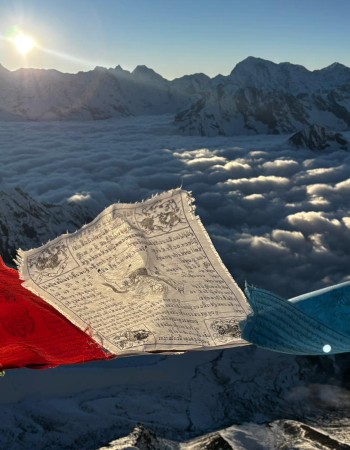
Today is the most challenging and rewarding day of the Annapurna Circuit with Tilicho Lake Trek as we cross the spectacular Thorong La High Pass (5,416 m), one of the highest trekking passes in the world. We start early in the morning to take advantage of stable weather conditions and begin our ascent from Thorong Phedi (4,540 m). The trail climbs steadily through a rocky and rugged landscape toward the top of Thorong La Pass. Although the ascent is demanding due to the high altitude, the incredible Himalayan scenery makes every step worthwhile. Upon reaching the pass, we are rewarded with breathtaking panoramic views of the Annapurna and Dhaulagiri mountain ranges, including Annapurna, Gangapurna, Tilicho Peak, Chulu ranges, and Dhaulagiri Himal. At the summit of Thorong La Pass, you can celebrate this unforgettable achievement while enjoying the colorful prayer flags, mountain views, and the dramatic high-altitude surroundings. After taking photographs and resting at the pass, we begin the long descent toward Muktinath (3,760 m) on the Mustang side of the Himalayas. The downhill trail offers a completely different landscape, changing from the snowy high pass to the dry and beautiful Trans-Himalayan valley. Upon reaching Muktinath, we visit the famous Muktinath Temple, a sacred pilgrimage site for both Hindus and Buddhists, known for its 108 holy water spouts and eternal natural flame. After a long but rewarding day, we enjoy a well-deserved rest at a comfortable teahouse in Muktinath. Highlights: Cross the legendary Thorong La High Pass (5,416 m) Experience one of the world's highest trekking passes Stunning panoramic views of Annapurna and Dhaulagiri mountain ranges Trek from Manang Valley to the Mustang region Visit the sacred Muktinath Temple Experience the dramatic change from alpine mountains to the dry Mustang landscape Celebrate the successful crossing of Thorong La Pass Accommodation: Teahouse/Lodge in Muktinath Meals: Breakfast, Lunch, Dinner Trekking Duration: Approximately 7–9 hours Distance: About 14–16 km Maximum Altitude: 5,416 m (Thorong La Pass) Difficulty: Challenging Nepal New Generation Trek provides experienced mountain guides, proper acclimatization planning, and safety support to help you successfully cross Thorong La Pass and complete this unforgettable Himalayan adventure.
Days: 14: Drive from Muktinath (3,760 m) to Tatopani (1,200 m) via Marpha Village
After breakfast, we begin a scenic drive from Muktinath (3,760 m) to Tatopani (1,200 m), continuing our Annapurna Circuit with Tilicho Lake Trek through the beautiful Mustang and Kali Gandaki regions. Today’s journey offers a wonderful opportunity to experience the dramatic change in landscapes, from the dry high-altitude desert of Mustang to the lush green valleys of lower Annapurna. Our drive follows the famous Kali Gandaki Valley, one of the deepest river valleys in the world, with spectacular views of Dhaulagiri (8,167 m), Nilgiri, Annapurna South, and other Himalayan peaks. On the way, we visit the charming village of Marpha, one of the most beautiful traditional settlements in the Mustang region. Marpha is famous for its whitewashed stone houses, narrow alleys, ancient monastery, apple orchards, and delicious local apple products. We take time to explore the village and experience the unique Thakali culture and mountain lifestyle. After visiting Marpha, we continue our drive through Jomsom, Tukuche, Kalopani, and scenic mountain villages before reaching Tatopani (1,200 m). Tatopani is famous for its natural hot springs, where you can relax and soak in the warm mineral-rich waters after the challenging high-altitude trekking days. Enjoy a comfortable evening in Tatopani surrounded by beautiful hills, rivers, and mountain scenery. Highlights: Scenic drive from Muktinath to Tatopani Visit the beautiful Marpha village and apple orchards Explore traditional Thakali culture and architecture Drive through the spectacular Kali Gandaki Valley Views of Dhaulagiri, Nilgiri, Annapurna South, and Himalayan landscapes Relax in the natural hot springs of Tatopani Accommodation: Teahouse/Lodge in Tatopani Meals: Breakfast, Lunch, Dinner Driving Duration: Approximately 6–8 hours Distance: About 70–80 km (depending on road conditions) Maximum Altitude: 3,760 m (Muktinath) / Overnight at 1,200 m (Tatopani) Transport: Private Jeep/Vehicle Nepal New Generation Trek ensures a comfortable and memorable journey with reliable transportation, experienced drivers, and local knowledge throughout your Annapurna Circuit with Tilicho Lake adventure.
Days: 15: Drive from Tatopani (1,200 m) to Pokhara (822 m)
After breakfast, we leave the beautiful village of Tatopani (1,200 m) and drive toward the peaceful lakeside city of Pokhara (822 m), the final destination of our Annapurna Circuit with Tilicho Lake Trek. The scenic drive follows the Kali Gandaki River Valley, passing through charming villages, terraced farmlands, green hills, and beautiful landscapes of western Nepal. Along the way, you can enjoy views of the surrounding mountains, rivers, waterfalls, and traditional settlements. Upon arrival in Pokhara, a naturally beautiful city famous for its tranquil lakes and spectacular Himalayan views, we transfer you to your hotel. You can relax beside Phewa Lake, explore the vibrant Lakeside area, or enjoy views of the Annapurna and Machhapuchhre (Fishtail) mountain ranges. After completing this incredible Himalayan journey, take time to celebrate your achievement and enjoy the comfortable atmosphere of Pokhara. Highlights: Scenic drive from Tatopani to Pokhara Enjoy beautiful views of hills, rivers, villages, and farmland Travel through the Kali Gandaki Valley Arrival in Pokhara, the gateway city of the Annapurna region Relax and explore the Lakeside area Stunning views of Annapurna and Machhapuchhre (Fishtail) Accommodation: Hotel in Pokhara Meals: Breakfast, Lunch Driving Duration: Approximately 3–4 hours Distance: About 100 km (depending on road conditions) Maximum Altitude: 822 m (Pokhara) Transport: Private Vehicle Nepal New Generation Trek completes your Annapurna Circuit with Tilicho Lake Trek with comfortable transportation, professional service, and memorable experiences from the Himalayas to the beautiful city of Pokhara.
Days: 16: Flight from Pokhara (822 m) to Kathmandu (1,400 m)
After breakfast, we transfer to Pokhara Airport for a scenic flight back to Kathmandu (1,400 m). This short but beautiful flight offers spectacular aerial views of the Himalayan ranges, green hills, rivers, and valleys of Nepal. Upon arrival at Tribhuvan International Airport in Kathmandu, our team from Nepal New Generation Trek will transfer you to your hotel. You will have free time to relax, explore the streets of Kathmandu, do some last-minute shopping for souvenirs, or enjoy the vibrant atmosphere of Thamel. In the evening, we organize a farewell dinner to celebrate the successful completion of your unforgettable Annapurna Circuit with Tilicho Lake Trek. It is a great opportunity to share memories of the Himalayan adventure with your trekking guide and team. Highlights: Scenic mountain flight from Pokhara to Kathmandu Aerial views of Himalayan peaks, hills, and valleys Comfortable transfer to your Kathmandu hotel Free time for shopping and exploring Kathmandu Farewell dinner with the Nepal New Generation Trek team Celebrate the completion of your Annapurna adventure Accommodation: Hotel in Kathmandu Meals: Breakfast and Farewell Dinner Flight Duration: Approximately 25–30 minutes Maximum Altitude: 1,400 m (Kathmandu) Transport: Private airport transfer Nepal New Generation Trek ensures a smooth and comfortable end to your Annapurna Circuit with Tilicho Lake Trek, leaving you with unforgettable memories of Nepal’s magnificent Himalayas, culture, and hospitality.
Days: 17: Transfer to the International Airport for Your Final Departure
After breakfast, your incredible Annapurna Circuit with Tilicho Lake Trek adventure in Nepal comes to an end. According to your international flight schedule, a representative from Nepal New Generation Trek will transfer you from your hotel to Tribhuvan International Airport, Kathmandu for your final departure. We hope you leave Nepal with unforgettable memories of the majestic Himalayas, beautiful mountain villages, rich Himalayan culture, and the wonderful experiences shared during your trek. Our team will say farewell and wish you a safe and pleasant journey back home. Thank you for choosing Nepal New Generation Trek. We look forward to welcoming you again for another amazing adventure in the Himalayas, including trekking, tours, peak climbing, and expedition experiences in Nepal, Tibet, and Bhutan. Highlights: Private transfer to Tribhuvan International Airport Assistance before your international departure Farewell from the Nepal New Generation Trek team End of your memorable Annapurna Circuit with Tilicho Lake Trek Accommodation: Not included (Departure day) Meals: Breakfast Transport: Private airport transfer Destination: Tribhuvan International Airport, Kathmandu (1,400 m) Thank you for traveling with Nepal New Generation Trek – Your trusted partner for Himalayan adventures.























 Available