The Gokyo Lakes Trek is one of the most beautiful and rewarding trekking adventures in Nepal’s Everest region. This spectacular journey takes you deep into the peaceful Gokyo Valley, where turquoise glacial lakes, dramatic mountain scenery, ancient Sherpa settlements, and the massive Ngozumpa Glacier create an unforgettable Himalayan experience.
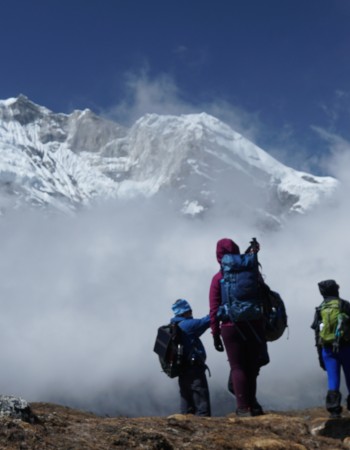
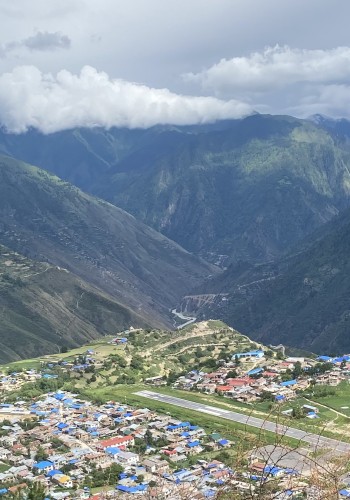
The trek begins with a scenic flight from Kathmandu or Manthali to Lukla, followed by a gradual journey through the heart of the Khumbu region. Walking along well-established mountain trails, you pass through traditional Sherpa villages, lush rhododendron and pine forests, suspension bridges, and high alpine landscapes. The route gradually gains elevation, allowing your body to acclimatize naturally as you approach the Gokyo Valley.
A major highlight is Namche Bazaar, the famous Sherpa trading and cultural center of the Everest region. From Namche, the trail turns toward the quieter Gokyo Valley, passing through Dole and Machhermo before reaching Gokyo village at approximately 4,790 meters. Here, you are surrounded by some of the most impressive scenery in the Khumbu.
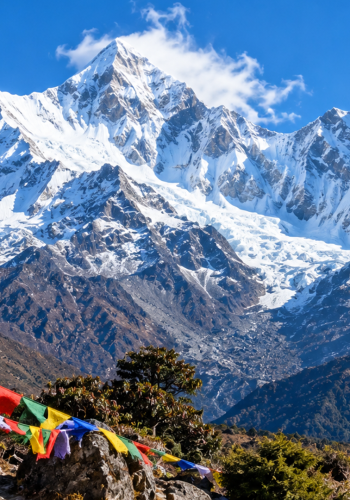
The Gokyo Lakes are a sacred collection of glacial lakes whose brilliant turquoise and deep-blue waters contrast dramatically with the surrounding snow-covered mountains. The lakes are located beside the enormous Ngozumpa Glacier, the longest glacier in the Himalayas. The peaceful atmosphere and extraordinary scenery make Gokyo one of the most memorable destinations in the Everest region.
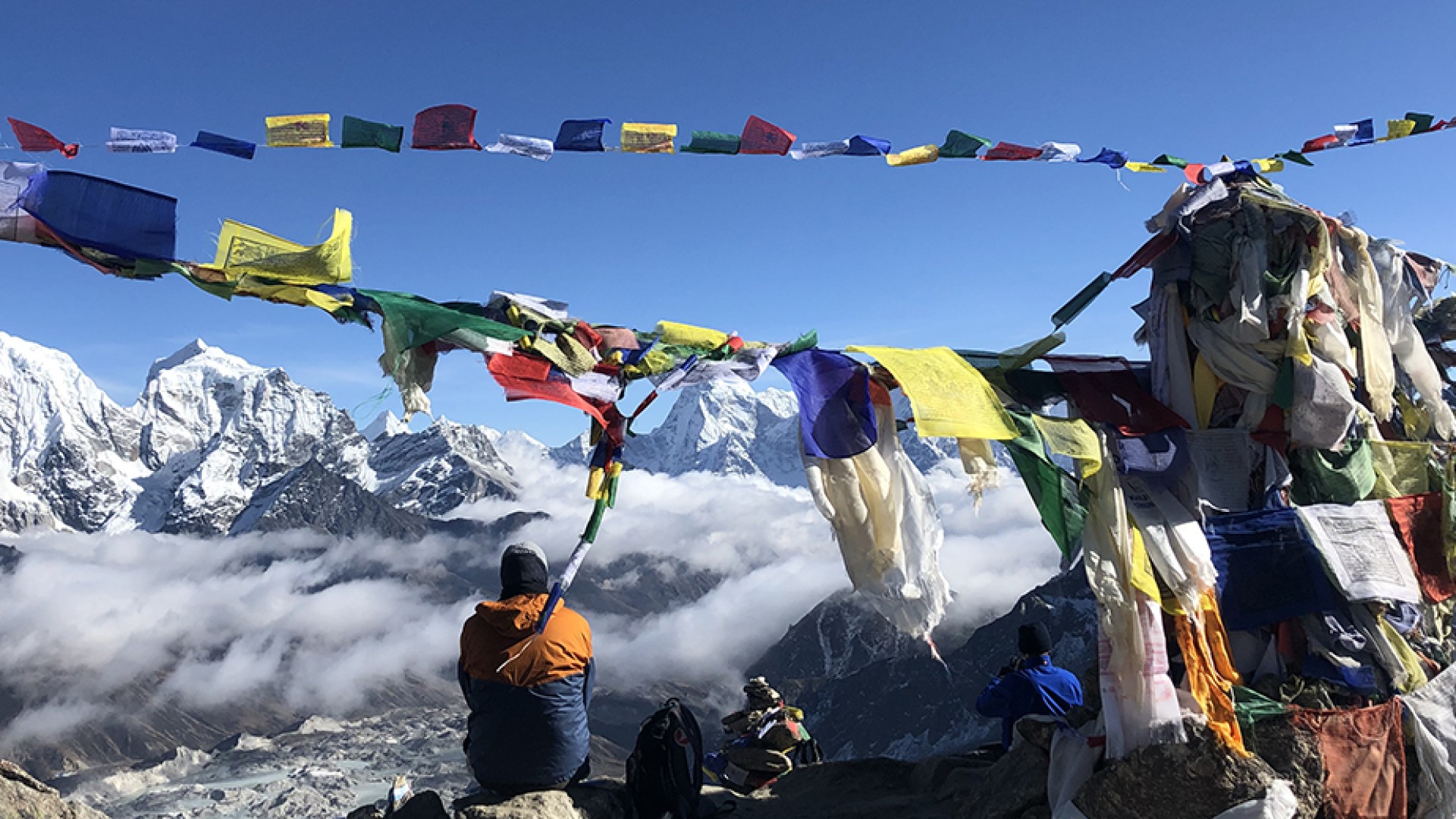
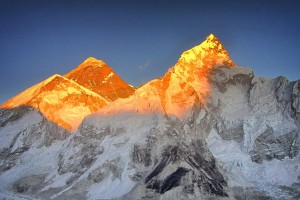
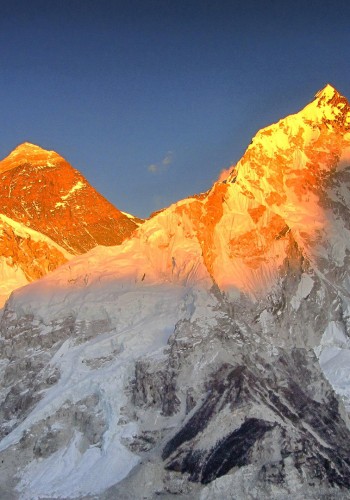
Another unforgettable experience is the climb to Gokyo Ri (5,357 m). An early-morning ascent rewards you with a breathtaking Himalayan panorama, including Mount Everest, Lhotse, Makalu, Cho Oyu, Cholatse, Taboche, and numerous other peaks. Watching the sunrise over these towering mountains from Gokyo Ri is one of the defining moments of the trek.
The Gokyo Lakes Trek is not only about mountains and landscapes. It also provides an opportunity to experience the traditional lifestyle, culture, Buddhist heritage, and warm hospitality of the Sherpa communities. Walking through villages and staying in locally operated teahouses allows you to experience mountain life in a more personal and authentic way.
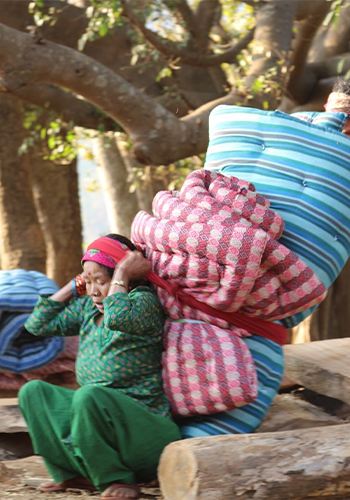
At Nepal New Generation Trek & Adventure, our trekking teams are built around experienced local mountain guides and porters. Many come from Himalayan communities and have grown up walking in high-altitude environments. They understand the trails, changing mountain weather, terrain, local customs, and the challenges of trekking at altitude.
By employing local guides and porters, your journey also contributes directly to mountain communities. Their income helps support their families with food, education, healthcare, housing, and opportunities for their children. We believe responsible tourism should create meaningful benefits for the people who live in the Himalayas.
With more than 39 years of experience in trekking, mountaineering, and Himalayan tourism, Nepal New Generation Trek & Adventure carefully plans every journey with safety, acclimatization, and responsible tourism in mind. Our experienced guides monitor walking pace, hydration, weather conditions, and altitude-related symptoms throughout the trek.
We arrange the essential logistics, including domestic flights, trekking permits, accommodation, meals, experienced guides, porters, and transportation, allowing you to concentrate on enjoying the spectacular Himalayan environment.
The Gokyo Lakes Trek is an ideal choice for travelers looking for a quieter alternative to the traditional Everest Base Camp route while still experiencing the grandeur of the Everest region. From the vibrant streets of Namche Bazaar to the peaceful turquoise Gokyo Lakes and the magnificent sunrise from Gokyo Ri, every stage of the journey offers something special.
Join Nepal New Generation Trek & Adventure and explore the Gokyo Valley with a locally owned Himalayan trekking company dedicated to authentic experiences, professional service, responsible tourism, and direct support for mountain communities.


The Gokyo Lakes Trek is a spectacular journey into the heart of Nepal’s Everest region, combining turquoise glacial lakes, dramatic Himalayan peaks, peaceful Sherpa villages, and breathtaking high-altitude landscapes. This rewarding trek offers a quieter and more scenic alternative to the traditional Everest Base Camp route while allowing you to experience the natural and cultural beauty of the Khumbu.
The adventure begins with a scenic flight to Lukla and follows the traditional trails through Phakding and Namche Bazaar before turning toward the beautiful Gokyo Valley. The trail passes through Dole and Machhermo and gradually reaches Gokyo village at 4,790 meters, surrounded by the magnificent Ngozumpa Glacier and a series of sacred glacial lakes.
A major highlight is the ascent of Gokyo Ri (5,357 m), where you can enjoy spectacular panoramic views of Mount Everest, Lhotse, Makalu, Cho Oyu, Cholatse, Taboche, and other Himalayan peaks. The sunrise from Gokyo Ri is an unforgettable experience and one of the finest viewpoints in the Everest region.
With Nepal New Generation Trek & Adventure, you trek with experienced local mountain guides and porters who have deep knowledge of the Khumbu trails, high-altitude environment, mountain weather, and Sherpa culture. Their employment also directly supports families and communities in the Himalayan region, helping provide opportunities for education, healthcare, and a better future.
With more than 39 years of Himalayan trekking and mountaineering experience, Nepal New Generation Trek & Adventure is committed to providing a safe, authentic, responsible, and memorable Gokyo Lakes Trek.
Seeking for a real adventure? Our travel itinerary is based on years of trekking expertise, ensuring that you have a fun and safe vacation. However, like with all such risky excursions, there may be instances where we must change the schedule, possibly without much notice. While we make every attempt to stick to the timetable, we humbly ask for your patience and flexibility if unforeseen circumstances like weather or unforeseen natural events come into play. You may be sure that our knowledgeable guides will adjust as needed to make your tour as enjoyable as possible.
The Gokyo Lakes Trek is directly operated by Nepal New Generation Trek & Adventure, a locally owned and operated trekking company based in Kathmandu. With more than 39 years of experience in trekking, mountaineering, and Himalayan tourism, we organize this journey with a strong focus on safety, responsible tourism, authentic local experiences, and direct benefits to mountain communities.
Our trekking team includes experienced, licensed local mountain guides and porters, many of whom come from Himalayan communities. They have extensive knowledge of high-altitude trails, mountain weather, local culture, terrain, and the challenges of trekking in the Everest region.
Our guides and porters are an essential part of your journey, and their employment directly supports their families and communities through income for food, education, healthcare, housing, and other essential needs.
We arrange the necessary domestic flights between Kathmandu or Manthali and Lukla, depending on the current flight schedule and operational conditions. If flights operate through Manthali, we arrange the required private road transportation between Kathmandu and Manthali.
Our team monitors flight schedules and weather conditions and assists with alternative arrangements when necessary.
During the trek, you stay in carefully selected local teahouses and mountain lodges. Accommodation is simple, comfortable, and locally operated, allowing you to experience the authentic hospitality of the Khumbu region.
Breakfast, lunch, and dinner are provided during the trekking days. Meals generally include Nepali, Tibetan, Indian, and international dishes, with options available according to the location and season.
Proper acclimatization is an important part of our operation. The itinerary includes an acclimatization day in Namche Bazaar, followed by a gradual ascent through the Gokyo Valley.
Our guides monitor your walking pace, hydration, physical condition, weather, and altitude-related symptoms throughout the trek. If any health concerns arise, our team will provide appropriate assistance and coordinate descent or emergency support when necessary.
Nepal New Generation Trek & Adventure arranges the necessary trekking permits and official documentation, including the required Sagarmatha National Park entry permit and Khumbu Pasang Lhamu Rural Municipality permit.
We believe tourism should create meaningful benefits for the people who live in the Himalayas. By using local guides, porters, teahouses, transportation, and other local services, we help keep tourism income within mountain communities.
We encourage responsible trekking practices, respect for local culture and Buddhist traditions, and protection of the natural environment throughout the Gokyo Valley.
A reserve day in Kathmandu is included in the itinerary to provide flexibility in case of unexpected weather or operational disruptions affecting Lukla flights. Mountain weather can change quickly, so having a reserve day helps reduce the impact of possible flight delays or cancellations.
Nepal New Generation Trek & Adventure manages the essential logistics of your Gokyo Lakes Trek, including:
Our goal is to make your Gokyo Lakes Trek safe, well organized, comfortable, authentic, and memorable, while ensuring that your journey contributes positively to the local Himalayan communities.
The answers to your questions regarding the Nepal New Generation Trek, what this trip entails, and what is needed can be found in the following frequently asked questions. If your question isn't addressed there, don't hesitate to contact us.






© 2026 -Nepal New Generation Trek & Adventure Pvt. Ltd. All Rights Reserved.
Coded with by KTM Rush.












 Available