Days: 1: Arrive in Kathmandu (1,350 m)
Upon your arrival at Tribhuvan International Airport in Kathmandu, a representative from Nepal New Generation Trek & Adventure Pvt. Ltd. will warmly welcome you and transfer you to your hotel. After check-in, you can rest and relax or explore the nearby streets of Kathmandu at your own pace. In the evening, you will meet your trekking guide and receive a briefing about the Jiri Gokyo Everest Base Camp Trek, including the itinerary, trekking conditions, safety procedures, and necessary preparations. You will then enjoy a traditional Nepali welcome dinner with the NNGT team. Overnight: Hotel in Kathmandu Altitude: 1,350 m
Days: 2: Guided Sightseeing in Kathmandu Valley & Welcome Dinner
Today, enjoy a guided sightseeing tour of the Kathmandu Valley, exploring its rich cultural heritage, ancient temples, historic monuments, and vibrant local traditions. Depending on your interests and available time, you may visit important cultural sites such as Swayambhunath, Boudhanath, Pashupatinath, and Kathmandu Durbar Square. Your experienced local guide from Nepal New Generation Trek & Adventure Pvt. Ltd. will introduce you to the history, architecture, religion, and traditions of the Kathmandu Valley. The day also provides time to make any final preparations and purchase or arrange essential trekking equipment before beginning your long Himalayan adventure. In the evening, enjoy a warm welcome dinner with the Nepal New Generation Trek & Adventure team, featuring delicious traditional Nepali cuisine and a friendly introduction to your trekking team. Overnight: Hotel in Kathmandu Meals: Breakfast and Welcome Dinner Altitude: 1,350 m
Days: 3: Drive from Kathmandu to Jiri Bazaar
After breakfast, we begin our scenic drive from Kathmandu to Jiri Bazaar, the historic gateway to the Everest region. The journey takes us through the beautiful countryside of Nepal, following winding mountain roads alongside rivers, terraced hillsides, forests, and traditional villages. As we travel eastward, the landscape gradually changes from the Kathmandu Valley to the peaceful hills of Dolakha and Jiri. Jiri is known as the traditional starting point for the classic Everest trekking route and was once the main access point for expeditions heading toward Mount Everest before the Lukla airport was established. Upon arrival in Jiri Bazaar, we check into our teahouse and have time to relax and explore the surrounding area. This is where our historic Jiri-to-Everest trekking adventure officially begins. Driving Distance: Approximately 188 km Driving Time: Approximately 7–9 hours Overnight: Teahouse/Lodge in Jiri Bazaar Meals: Breakfast, Lunch & Dinner Altitude: Approximately 2,000 m
Days: 4: Drive from Jiri to Bhandar (2,200 m)
After breakfast, we continue our journey by road from Jiri to Bhandar, following a scenic mountain route through the beautiful hills of the lower Solu region. The drive passes through lush forests, terraced farmland, traditional villages, and peaceful mountain landscapes. Bhandar is a traditional settlement on the historic Jiri-to-Everest trekking route and provides a wonderful introduction to the rural lifestyle of the Himalayan foothills. As we gain altitude, the scenery becomes increasingly mountainous, with fresh mountain air and beautiful views of the surrounding hills. After reaching Bhandar (2,200 m), we check into a local teahouse and have time to relax and explore the village. We prepare for the following day's trek, when we begin walking along the classic trail toward the Everest region. Driving Time: Approximately 3–4 hours Overnight: Teahouse/Lodge in Bhandar Meals: Breakfast, Lunch & Dinner Altitude: 2,200 m
Days: 5: Trek from Bhandar to Sete (2,575 m)
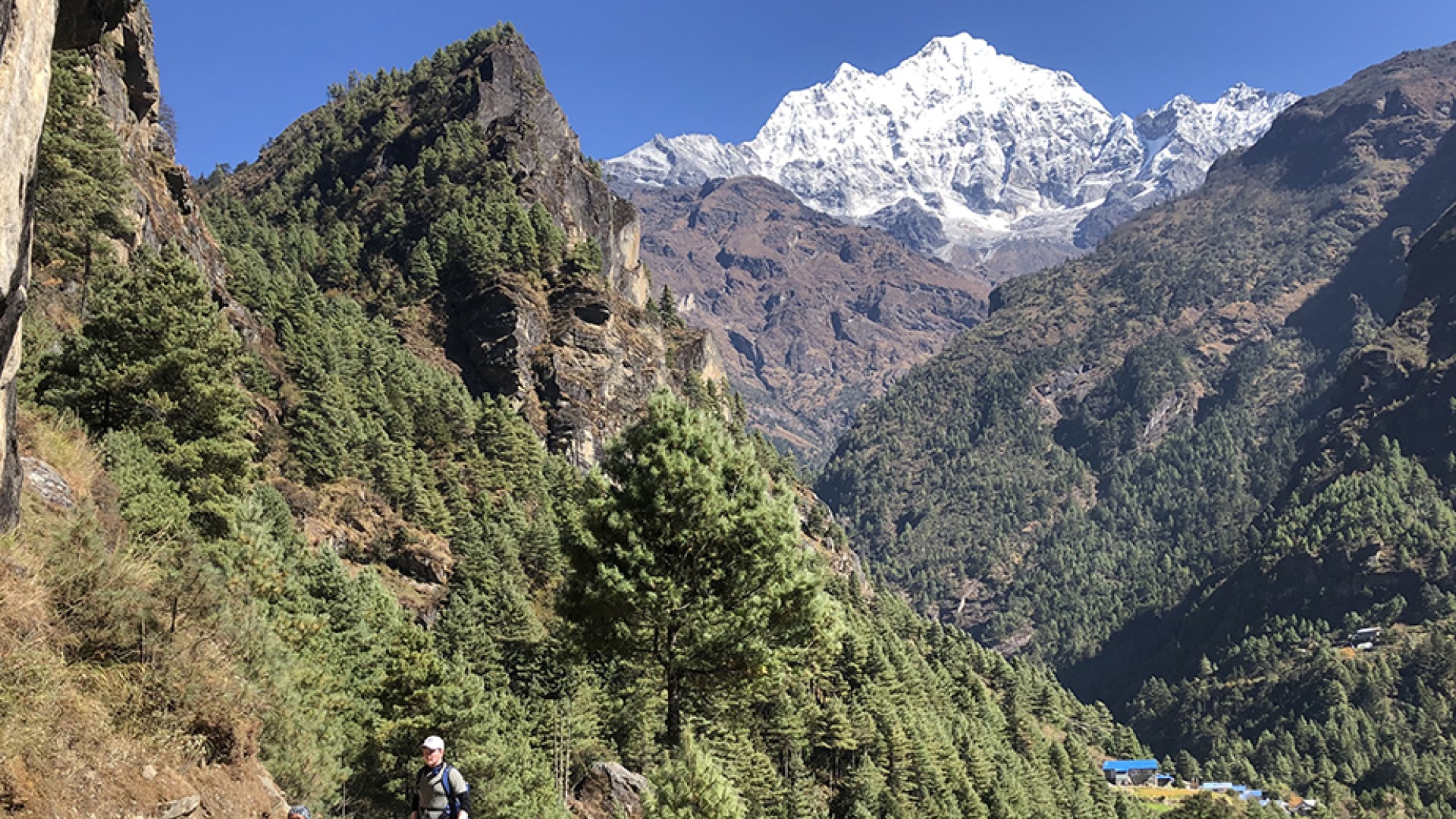
After breakfast, we officially begin our Jiri-to-Everest trekking adventure from Bhandar. The trail gradually climbs through beautiful rhododendron and pine forests, passing traditional villages, terraced farmland, and peaceful mountain landscapes. We follow the historic trail used by early Everest expeditions, crossing small streams and suspension bridges while enjoying the fresh Himalayan environment. The route includes a mixture of gradual sections and uphill climbs, providing a good introduction to the days of trekking ahead. As we approach Sete (2,575 m), the trail becomes more forested and peaceful. Sete is a small mountain settlement surrounded by dense woodland and rolling hills. Upon arrival, we check into a local teahouse and enjoy a well-deserved rest. Trekking Distance: Approximately 12 km Trekking Time: Approximately 5–6 hours Overnight: Teahouse/Lodge in Sete Meals: Breakfast, Lunch & Dinner Altitude: 2,575 m
Days: 6: Trek from Sete to Junbesi (2,700 m)
After breakfast, we leave Sete and continue along the historic Jiri-to-Everest trail toward the beautiful Sherpa village of Junbesi. The trail climbs through dense rhododendron, pine, and fir forests before reaching the Lamjura La Pass (3,530 m), one of the highest points on the classic Jiri approach. From the pass, we descend through peaceful forests and traditional mountain settlements, enjoying spectacular views of the surrounding hills and Himalayan landscapes. The trail eventually reaches the picturesque Junbesi Valley, one of the most culturally important Sherpa communities in the Solu region. Junbesi is known for its traditional houses, Buddhist culture, and beautiful mountain surroundings. After arriving, we check into a local teahouse and have time to explore the village and nearby monastery. Trekking Time: Approximately 6–7 hours Overnight: Teahouse/Lodge in Junbesi Meals: Breakfast, Lunch & Dinner Altitude: 2,700 m
Days: 7: Trek from Junbesi to Nunthala (2,220 m)
After breakfast, we leave the beautiful Junbesi Valley and continue along the historic Jiri-to-Everest trail toward Nunthala. The trail initially follows a gentle path through pine and rhododendron forests, with beautiful views of the surrounding hills and distant Himalayan peaks. We continue through traditional villages and terraced farmland, experiencing the peaceful rural lifestyle of the Solu region. Along the way, the trail passes through forests and small settlements before gradually descending toward the Dudh Koshi River. After crossing the river, we make our way uphill toward Nunthala (2,220 m), a traditional mountain village surrounded by green hills and farmland. Upon arrival, we check into a local teahouse and relax after the day's trek. Trekking Time: Approximately 6–7 hours Overnight: Teahouse/Lodge in Nunthala Meals: Breakfast, Lunch & Dinner Altitude: 2,220 m
Days: 8: Trek from Nunthala to Kharikhola (2,050 m)
After breakfast, we continue our trek from Nunthala to Kharikhola, following the historic Jiri-to-Everest trail through the beautiful landscapes of the lower Solu and Khumbu regions. The trail descends through dense forests and terraced farmland, passing traditional villages and small mountain settlements along the way. We cross the Dudh Koshi River and continue along a scenic trail with a mixture of gradual climbs and descents. The route provides opportunities to observe traditional farming practices and experience the peaceful lifestyle of local communities. As we approach Kharikhola (2,050 m), the landscape becomes increasingly mountainous. Kharikhola is a traditional Sherpa settlement and an important stop along the classic Everest approach. After arriving, we check into a local teahouse and enjoy a relaxing evening in the village. Trekking Time: Approximately 6–7 hours Overnight: Teahouse/Lodge in Kharikhola Meals: Breakfast, Lunch & Dinner Altitude: 2,050 m
Days: 9: Trek from Kharikhola to Paiya (2,730 m)
After breakfast, we leave Kharikhola and continue our trek toward Paiya, following the traditional trails through the lower Everest region. The route passes through dense forests, terraced hillsides, and small mountain settlements, offering beautiful views of the surrounding valleys and forested mountains. The trail involves several uphill and downhill sections as we gradually gain elevation. Walking through rhododendron, pine, and subtropical forests, we enjoy the peaceful atmosphere and natural beauty of the Solu-Khumbu landscape. Along the way, we encounter local villagers and traditional mountain lifestyles. After several hours of trekking, we reach Paiya (2,730 m), a small and scenic settlement surrounded by green hills. Upon arrival, we check into a local teahouse, enjoy a warm meal, and rest for the evening in preparation for the higher-altitude sections ahead. Trekking Time: Approximately 6–7 hours Overnight: Teahouse/Lodge in Paiya Meals: Breakfast, Lunch & Dinner Altitude: 2,730 m
Days: 10: Trek from Paiya (2,730 m) to Phakding (2,610 m)
After breakfast, we leave Paiya and continue along the classic Everest trail toward Phakding. The route passes through beautiful forests, rocky paths, and traditional mountain settlements as we gradually enter the main Khumbu trekking corridor. The trail includes several ascents and descents, with scenic views of the surrounding valleys and Himalayan foothills. Along the way, we cross streams and walk through peaceful forested landscapes before joining the traditional trail toward the Dudh Koshi Valley. After reaching Phakding (2,610 m), we check into a comfortable local teahouse and relax. Phakding is a popular overnight stop on the Everest Base Camp route and provides an excellent setting to prepare for the gradual climb toward Namche Bazaar the following day. Trekking Time: Approximately 6–7 hours Overnight: Teahouse/Lodge in Phakding Meals: Breakfast, Lunch & Dinner Altitude: 2,610 m
Days: 11: Trek from Phakding (2,610 m) to Namche Bazaar (3,440 m)
After breakfast, we begin our trek from Phakding to Namche Bazaar, following the beautiful trail along the Dudh Koshi River toward the heart of the Khumbu region. The trail passes through pine forests, traditional Sherpa villages, and several suspension bridges decorated with colorful prayer flags. As we continue toward Monjo, we enter the Sagarmatha National Park, a UNESCO World Heritage Site. The trail then follows the river and gradually becomes steeper as we approach the famous Namche Bazaar. Along the way, we cross several suspension bridges, including the impressive Hillary Suspension Bridge. The final climb to Namche is challenging but rewarding. If weather conditions are clear, we may get our first spectacular views of Mount Everest, Lhotse, Nuptse, Ama Dablam, and Thamserku. Upon reaching Namche Bazaar (3,440 m), we check into our teahouse and enjoy a well-deserved rest. Namche is the main commercial and cultural center of the Khumbu region, surrounded by dramatic Himalayan peaks and home to the Sherpa people. Trekking Time: Approximately 6–7 hours Overnight: Teahouse/Lodge in Namche Bazaar Meals: Breakfast, Lunch & Dinner Altitude: 3,440 m
Days: 12: Acclimatization Day – Hike to Everest View Hotel
Today is an important acclimatization day in Namche Bazaar, allowing our bodies to adjust to the increasing altitude before continuing toward the higher Everest region. Rather than staying completely inactive, we take a short and scenic hike to the famous Everest View Hotel (3,880 m). After breakfast, we gradually climb above Namche through beautiful pine and rhododendron forests. Along the way, we enjoy spectacular views of Mount Everest, Lhotse, Nuptse, Ama Dablam, Thamserku, and Kongde Ri. At the Everest View Hotel, we take time to relax, enjoy the mountain scenery, and have refreshments while surrounded by breathtaking Himalayan landscapes. After the hike, we return to Namche Bazaar for lunch and a relaxing afternoon. You can explore the colorful streets, local shops, bakeries, and Sherpa culture or simply rest at the teahouse. This acclimatization day is important for preparing for the higher elevations ahead and helps reduce the risk of altitude-related problems. Hiking Time: Approximately 3–4 hours Overnight: Teahouse/Lodge in Namche Bazaar Meals: Breakfast, Lunch & Dinner Highest Point: 3,880 m (Everest View Hotel) Overnight Altitude: 3,440 m
Days: 13: Namche Bazaar to Phortse Thanga (3,680 m)
After breakfast, we leave Namche Bazaar and follow a scenic trail toward Phortse Thanga, entering the quieter and less-traveled side of the Everest region. The trail initially climbs above Namche, offering magnificent views of Mount Everest, Lhotse, Nuptse, Ama Dablam, and Thamserku. We continue along a beautiful high trail through rhododendron, pine, and juniper forests. The route passes through peaceful mountain landscapes with views of deep valleys and surrounding Himalayan peaks. Along the way, we may encounter Himalayan wildlife and local yak herders depending on the season. After reaching Phortse Thanga (3,680 m), we settle into a local teahouse and enjoy the peaceful atmosphere of this remote mountain area. The location provides a perfect overnight stop as we gradually gain altitude toward the spectacular Gokyo Valley. Trekking Time: Approximately 5–6 hours Overnight: Teahouse/Lodge in Phortse Thanga Meals: Breakfast, Lunch & Dinner Altitude: 3,680 m
Days: 14: Trek from Phortse Thanga to Machhermo (4,470 m)
After breakfast, we leave Phortse Thanga and continue our ascent toward Machhermo, following the beautiful trail into the spectacular Gokyo Valley. The trail climbs steadily through rhododendron and juniper forests, gradually giving way to alpine landscapes as we gain altitude. As we continue higher, the vegetation becomes more sparse and the scenery increasingly dramatic. The trail passes through small mountain settlements and yak pastures, with magnificent views of Cho Oyu, Kangtega, Thamserku, and other Himalayan peaks. We follow the Dudh Koshi Valley, which originates from the glaciers and lakes around Gokyo. After several hours of trekking, we reach Machhermo (4,470 m), a peaceful mountain settlement surrounded by impressive Himalayan scenery. Upon arrival, we check into our teahouse, enjoy a warm meal, and rest while preparing for the higher-altitude journey toward Gokyo Lakes. Because we are now above 4,000 meters, we maintain a steady pace and pay careful attention to hydration and altitude-related symptoms. Trekking Time: Approximately 5–6 hours Overnight: Teahouse/Lodge in Machhermo Meals: Breakfast, Lunch & Dinner Altitude: 4,470 m
Days: 15: Trek from Machhermo to Gokyo Lakes (4,790 m)
After breakfast, we leave Machhermo and continue our trek deeper into the spectacular Gokyo Valley. The trail follows the Dudh Koshi Valley, gradually ascending through rugged alpine terrain, yak pastures, and glacial landscapes. As we climb higher, the surrounding scenery becomes increasingly dramatic, with magnificent views of Cho Oyu, Cholatse, Taboche, and other Himalayan peaks. We pass through Pangka and continue toward the Ngozumpa Glacier, the largest glacier in Nepal. The trail then reaches the beautiful series of turquoise Gokyo Lakes, considered sacred by both Hindus and Buddhists. After arriving at Gokyo (4,790 m), we check into our teahouse and enjoy the breathtaking surroundings. The peaceful lakes, surrounding glaciers, and towering Himalayan peaks create an unforgettable mountain atmosphere. In the afternoon, you can take a short walk around the lakes and village or simply rest and prepare for the next day's early-morning climb to Gokyo Ri (5,357 m). Trekking Time: Approximately 4–5 hours Overnight: Teahouse/Lodge in Gokyo Meals: Breakfast, Lunch & Dinner Altitude: 4,790 m
Days: 16: Hike to Gokyo Ri (5,357 m) and Trek to Thangnak (4,700 m)
Today is one of the most spectacular days of the Jiri Gokyo Everest Base Camp Trek. We wake early in the morning and begin the challenging hike to Gokyo Ri (5,357 m), one of the finest viewpoints in the Everest region. The ascent is steep and takes around 2–3 hours. As we climb higher, the views become increasingly impressive. From the summit of Gokyo Ri, we enjoy breathtaking panoramic views of Mount Everest, Cho Oyu, Lhotse, Makalu, Cholatse, Taboche, and numerous other Himalayan peaks. The turquoise Gokyo Lakes, Ngozumpa Glacier, and surrounding valleys can also be seen from the summit. After spending time enjoying the spectacular mountain scenery, we descend back to Gokyo for breakfast or a short rest. We then continue our trek toward Thangnak (4,700 m), following the trail beside the Ngozumpa Glacier. The route is relatively gradual but involves rocky and glacial terrain. Upon reaching Thangnak, a small seasonal settlement surrounded by dramatic Himalayan landscapes, we check into our teahouse and rest. This is an important overnight stop before the challenging crossing of Cho La Pass (5,420 m) the following day. Trekking Time: Approximately 6–7 hours Overnight: Teahouse/Lodge in Thangnak Meals: Breakfast, Lunch & Dinner Highest Point: 5,357 m (Gokyo Ri) Overnight Altitude: 4,700 m
Days: 17: Trek from Thangnak to Dzonglha via Cho La Pass (5,420 m)
Today is one of the most challenging and rewarding days of the Jiri Gokyo Everest Base Camp Trek as we cross the spectacular Cho La Pass (5,420 m). We start early from Thangnak and ascend gradually through rugged alpine terrain toward the pass. The trail becomes steeper as we approach the Cho La glacier. Depending on the season and weather conditions, the route may be covered with snow and ice, requiring careful walking. From the top of Cho La Pass, we are rewarded with breathtaking views of the surrounding Himalayan peaks, glaciers, and valleys. After enjoying the incredible scenery, we make a steep descent on the opposite side of the pass and continue across rocky mountain terrain toward Dzonglha. The descent requires patience and careful footing, particularly when snow or ice is present. We arrive at Dzonglha, a small and peaceful settlement surrounded by spectacular Himalayan mountains. After checking into the teahouse, we enjoy a warm meal and take time to rest after this demanding high-altitude crossing. Trekking Time: Approximately 7–8 hours Overnight: Teahouse/Lodge in Dzonglha Meals: Breakfast, Lunch & Dinner Highest Point: 5,420 m (Cho La Pass) Overnight Altitude: 4,830 m
Days: 18: Trek from Dzonglha to Lobuche (4,910 m)
After breakfast, we leave Dzonglha and continue our trek toward Lobuche, following a scenic high-altitude trail through the rugged landscape of the Khumbu region. After the challenging crossing of Cho La Pass, today's walk is shorter and provides a welcome opportunity to recover while continuing toward Everest Base Camp. The trail traverses rocky mountain terrain with magnificent views of Cholatse, Taboche, Pumori, Nuptse, and other surrounding Himalayan peaks. As we walk through the remote alpine landscape, the vegetation becomes increasingly sparse, and the dramatic glaciers and snow-covered mountains dominate the scenery. We gradually descend and then follow the trail toward the Lobuche Valley, eventually reaching Lobuche (4,910 m), a small mountain settlement located beneath some of the most impressive peaks in the Everest region. After arriving, we check into our teahouse and enjoy a warm meal before resting. The afternoon can be spent relaxing and preparing for the exciting journey to Everest Base Camp the following day. Trekking Time: Approximately 3–4 hours Overnight: Teahouse/Lodge in Lobuche Meals: Breakfast, Lunch & Dinner Altitude: 4,910 m
Days: 19: Trek from Lobuche to Gorak Shep (5,170 m) – Everest Base Camp (5,364 m) – Return to Gorak Shep
Today is one of the most exciting and memorable days of the Jiri Gokyo Everest Base Camp Trek as we finally reach the legendary Everest Base Camp (5,364 m). After an early breakfast in Lobuche, we begin walking along the rugged trail toward Gorak Shep. The trail follows the glacial valley with spectacular views of Pumori, Nuptse, Khumbu Glacier, and other towering Himalayan peaks. After several hours of trekking, we reach Gorak Shep (5,170 m), the last settlement before Everest Base Camp. We check into our teahouse, have a short rest, and continue toward Everest Base Camp. The trail from Gorak Shep crosses rugged moraine and glacial terrain alongside the Khumbu Glacier. Upon reaching Everest Base Camp (5,364 m), we celebrate this incredible achievement and enjoy the extraordinary mountain scenery surrounding the base camp. During the main climbing season, you may also see expedition teams preparing for their summit attempts. After spending time at Everest Base Camp and taking photographs, we retrace our steps back to Gorak Shep. We enjoy dinner and rest at the teahouse, preparing for the early-morning hike to Kala Patthar the following day. Trekking Time: Approximately 7–8 hours Overnight: Teahouse/Lodge in Gorak Shep Meals: Breakfast, Lunch & Dinner Highest Point: 5,364 m (Everest Base Camp) Overnight Altitude: 5,170 m
Days: 20: Gorak Shep to Kala Patthar (5,545 m) – Trek to Pheriche (4,280 m)
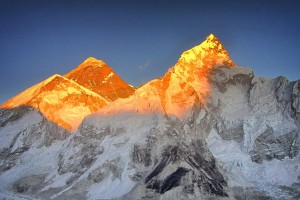
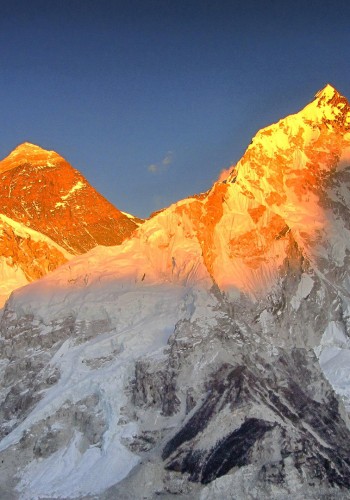
We begin early in the morning with a challenging hike from Gorak Shep to Kala Patthar (5,545 m), one of the highest points and finest viewpoints of the trek. The early start allows us to witness the spectacular sunrise over the Everest Himalayas. As we climb toward Kala Patthar, the views become increasingly impressive. From the summit, we enjoy breathtaking close-up views of Mount Everest, Nuptse, Pumori, Lhotse, Ama Dablam, and the surrounding peaks, as well as the dramatic Khumbu Glacier. After spending time at the viewpoint and taking photographs, we descend back to Gorak Shep for breakfast. We then continue our descent toward Pheriche (4,280 m). The trail passes through the rugged alpine landscape of the Khumbu Valley, gradually becoming greener as we lose altitude. We pass through Lobuche and Thukla, with magnificent views of the surrounding mountains along the way. Upon reaching Pheriche, we check into our teahouse and enjoy a well-deserved rest. The lower altitude provides an excellent opportunity to recover after several demanding days at high elevation. Trekking Time: Approximately 7–8 hours Overnight: Teahouse/Lodge in Pheriche Meals: Breakfast, Lunch & Dinner Highest Point: 5,545 m (Kala Patthar) Overnight Altitude: 4,280 m
Days: 21: Trek from Pheriche to Namche Bazaar via Pangboche and Tengboche (3,440 m)
After breakfast, we leave Pheriche and begin our descent toward Namche Bazaar, following the scenic trail through the traditional Sherpa villages of Pangboche and Tengboche. As we lose altitude, the landscape gradually becomes greener, with alpine meadows, rhododendron forests, and beautiful views of the surrounding Himalayan peaks. The trail passes through Pangboche, one of the oldest and most culturally significant Sherpa settlements in the Khumbu region. We continue toward Tengboche, home to the famous Tengboche Monastery. From here, we can enjoy spectacular views of Ama Dablam, Everest, Lhotse, Nuptse, Thamserku, and other Himalayan peaks. After a short rest in Tengboche, we descend through beautiful rhododendron and pine forests toward the Dudh Koshi Valley. The trail then continues through traditional settlements before gradually climbing back toward Namche Bazaar (3,440 m). Upon arrival in Namche, we check into our teahouse and enjoy a relaxing evening. After completing the high-altitude section of the trek, Namche provides a comfortable place to rest and enjoy the vibrant Sherpa atmosphere. Trekking Time: Approximately 7–8 hours Overnight: Teahouse/Lodge in Namche Bazaar Meals: Breakfast, Lunch & Dinner Altitude: 3,440 m
Days: 22: Trek from Namche Bazaar to Lukla (2,860 m)
After breakfast, we begin our final day of trekking from Namche Bazaar to Lukla, following the familiar trail through the beautiful Khumbu landscape. We gradually descend toward the Dudh Koshi River, passing through traditional Sherpa villages, colorful prayer flags, pine and rhododendron forests, and several suspension bridges. The trail takes us through Monjo, Phakding, and other small settlements before continuing toward Lukla. As we lose altitude, the air becomes warmer and the vegetation becomes greener, marking the end of the high-altitude section of our adventure. Upon reaching Lukla (2,860 m), we check into our lodge and have time to relax after completing this challenging and rewarding journey from Jiri through Gokyo Valley, Cho La Pass, Everest Base Camp, and Kala Patthar. In the evening, we celebrate the successful completion of the trek with our guide and trekking team, sharing memories of our incredible Himalayan adventure. Trekking Time: Approximately 6–7 hours Overnight: Teahouse/Lodge in Lukla Meals: Breakfast, Lunch & Dinner Altitude: 2,860 m
Days: 23: Flight from Lukla to Manthali or Direct to Kathmandu (1,350 m)
After breakfast, we head to Lukla Airport for our flight back to Manthali Airport. During certain seasons, flights between Lukla and Kathmandu may operate directly, depending on airline schedules and weather conditions. If a direct flight to Kathmandu is available, we continue directly to Kathmandu (1,350 m). If the flight operates via Manthali, upon arrival at Manthali Airport, we continue the journey by private or shared vehicle to Kathmandu. The drive takes approximately 4–5 hours, depending on road and traffic conditions. Upon arrival in Kathmandu, we transfer to your hotel and have the rest of the day free to relax, explore the city, or enjoy some shopping and sightseeing after completing the Jiri Gokyo Everest Base Camp Trek. Flight: Lukla – Manthali / Kathmandu Drive: Manthali – Kathmandu (if required) Overnight: Hotel in Kathmandu Meals: Breakfast Altitude: 1,350 m
Days: 24: Reserve Day in Kathmandu (1,350 m) – Weather Contingency & Farewell Dinner
Today is kept as a reserve day in Kathmandu in case of unexpected weather conditions or flight delays affecting Lukla Airport. Flights between Lukla and Manthali or Kathmandu are highly dependent on weather, visibility, and operational conditions. This extra day provides flexibility in case the flight schedule is affected. If your return flight from Lukla was delayed because of bad weather or other unforeseen circumstances, this reserve day can be used to accommodate the change in itinerary. If everything operates as planned, you can enjoy a relaxing free day in Kathmandu, explore the city, visit cultural sites, or do some last-minute shopping. In the evening, Nepal New Generation Trek & Adventure Pvt. Ltd. will host a special farewell dinner with the Nepal New Generation Trek family. It will be a wonderful opportunity to celebrate the successful completion of your Jiri Gokyo Everest Base Camp Trek, share memories of the journey, and thank our trekking team for their support and companionship throughout the adventure. Overnight: Hotel in Kathmandu Meals: Breakfast & Farewell Dinner Altitude: 1,350 m Purpose: Reserve day for Lukla flight delays due to weather or unforeseen conditions
Days: 25: Final Departure from Nepal
Today marks the end of your unforgettable Jiri Gokyo Everest Base Camp Trek with Nepal New Generation Trek & Adventure Pvt. Ltd. After breakfast, you will have some free time to relax or enjoy your final moments in Kathmandu. According to your international flight schedule, our NNGT representative will arrange your airport transfer and take you to Tribhuvan International Airport approximately 3 hours before your flight departure. We sincerely hope you return home with wonderful memories of the Jiri-to-Everest trail, Gokyo Lakes, Gokyo Ri, Cho La Pass, Everest Base Camp, Kala Patthar, and the warm hospitality of the Nepalese people. Thank you for trekking with Nepal New Generation Trek & Adventure Pvt. Ltd. We look forward to welcoming you again for another Himalayan adventure in Nepal. Meals: Breakfast Airport Transfer: Provided by Nepal New Generation Trek & Adventure Recommended Airport Arrival: 3 hours before international flight departure























 Available