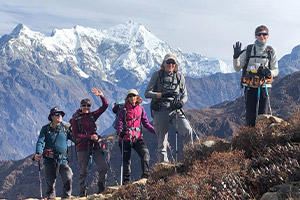
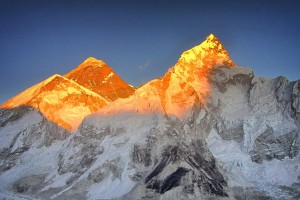
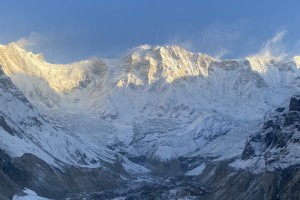
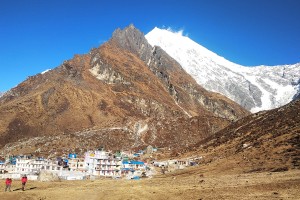
Lapchi Kang Pilgrimage trekking

Lapchi Kang Pilgrimage Trekking is a rare 14–16-day spiritual and off-the-beaten-path adventure into the remote Lapchi Valley of northern Dolakha, bordering Tibet. This restricted Himalayan region is renowned for its sacred Buddhist heritage, Milarepa Cave and Lapchi Monastery, pristine forests, dramatic mountain landscapes, and traditional Himalayan culture. The journey follows the Tama Koshi River toward Lamabagar before entering the secluded Lapchi Kang wilderness, surrounded by spectacular cliffs, rock spires, and alpine landscapes. As a restricted and conservation area, the trek requires the applicable two main permits, arranged by Nepal New Generation Trek & Adventure. It is an exceptional pilgrimage for Buddhist devotees, spiritual travelers, and experienced trekkers seeking a peaceful and authentic Himalayan experience.

The Lapchi Kang Pilgrimage Trekking is a remarkable 14–16-day spiritual and wilderness journey into the remote Lapchi Valley of northern Dolakha, close to the Nepal–Tibet border. Considered one of the most sacred and least-visited Himalayan pilgrimage regions, Lapchi is renowned for its ancient Buddhist heritage, spiritual traditions, pristine forests, dramatic mountain landscapes, and fascinating folklore. The journey offers a rare opportunity to explore an isolated Himalayan region that remains far from Nepal's busy trekking routes.

Lapchi Kang is a small Himalayan range situated between the Tibet road and the vast Rolwaling Himal region. Its geographical isolation has helped preserve its natural environment, traditional culture, and sacred heritage. The landscape features twisted mountain ridges, dramatic rock formations, sheer cliffs, alpine meadows, dense bamboo forests, and cloud forests. The surrounding wilderness is also home to diverse Himalayan flora and wildlife and provides habitat for rare species such as the snow leopard.

The pilgrimage follows the Tama Koshi River, beginning from Jagat and continuing toward Lamabagar. At Lamabagar, the route leaves the main trail and enters the remote Lapchi region. The trail gradually climbs through dense bamboo and cloud forests toward the sacred landscapes of Lapchi Kang, beneath the dramatic rock spire of Ama Bamare Himal and the impressive rock face of Kookur Raja Darra, also known as King Dog Ridge.

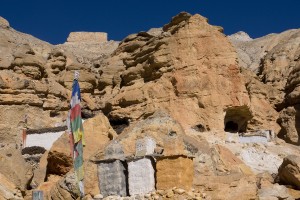
One of the greatest spiritual attractions of the region is its connection with Milarepa, the renowned Tibetan Buddhist yogi, poet, singer, and mystic. According to Buddhist tradition, Milarepa spent many years in meditation and retreat in the Lapchi region, living in caves and practicing spiritual disciplines. The area preserves ancient meditation caves, sacred sites, religious relics, and traditions associated with his life and teachings.

The Milarepa Cave and Lapchi Monastery are among the most important spiritual sites of the pilgrimage. Traditional accounts describe sacred marks, footprints, and other religious relics associated with Milarepa. For Buddhist pilgrims, visiting these places provides an opportunity for prayer, meditation, reflection, and connection with one of the great spiritual traditions of the Himalayas.

Lapchi Kang also holds an important place in traditional Himalayan sacred geography. According to traditional Tibetan Buddhist and Hindu literature, Mount Kailash, Lapchi Kang, and Mount Tsari are regarded as three particularly sacred mountains associated with the spiritual geography of Jambudvipa. This tradition gives Lapchi a distinctive religious significance for both Buddhist and Hindu pilgrims.

The journey from the Nepal side offers a unique opportunity to experience this sacred Himalayan landscape without traveling through Tibet. The trek combines pilgrimage, cultural exploration, wilderness, and adventure while providing an authentic experience of the remote Himalayan environment. Because Lapchi receives relatively few visitors, trekkers can enjoy a peaceful atmosphere and encounter traditional communities and landscapes that remain largely untouched by mass tourism.

The adventure can begin with a scenic drive from Kathmandu through Barhabise Bazaar and Dolangsa, followed by the mountain journey toward the Lapchi region. Depending on the selected itinerary, the route can pass through traditional Himalayan settlements such as Bigu and Laduk before continuing toward the remote northern valleys and the approach to Lapchi.

The landscape gradually changes from cultivated hills and traditional villages to forests, steep mountain trails, river valleys, waterfalls, suspension bridges, and rugged Himalayan terrain. Continuing toward Lamabagar, the route follows the Tama Koshi corridor before entering the secluded Lapchi Valley. Camping is an important part of the journey in the remote sections, allowing trekkers to experience the peaceful surroundings of forests, cliffs, sacred sites, and high Himalayan landscapes.

Restricted Region and Permit Requirements

Lapchi Valley is a restricted and specially regulated Himalayan region. Trekkers must obtain the applicable permits required for entry into the Lapchi restricted area and the Gaurishankar Conservation Area, together with any other permits required under current government regulations. Nepal New Generation Trek & Adventure manages the necessary permit arrangements and documentation for our organized trekking groups.

Because of its remote location, restricted status, sensitive environment, and religious importance, the Lapchi Kang journey requires careful logistical planning and experienced local support. Our team coordinates transportation, camping arrangements, experienced mountain guides, meals, permits, safety procedures, and other essential services throughout the trek.

The best seasons for Lapchi Kang Pilgrimage Trekking are generally spring, from mid-March to May, and autumn, from September to November. These periods normally provide more favorable conditions for trekking, although weather in the remote Himalayas can change quickly. Trekkers should be physically prepared for long mountain walks, steep terrain, remote camping, and changing weather conditions.

The Lapchi Kang Pilgrimage Trekking is ideal for Buddhist pilgrims, spiritual seekers, experienced trekkers, nature lovers, photographers, cultural explorers, and adventure travelers looking for an authentic journey beyond Nepal's popular trekking destinations.

With Nepal New Generation Trek & Adventure, you can explore the sacred landscapes of Lapchi with experienced local mountain guides and carefully planned logistics while respecting the region's Buddhist traditions, local communities, natural environment, and permit regulations.

Lapchi Kang is more than a trekking destination—it is a sacred Himalayan pilgrimage where the spiritual heritage of Milarepa, ancient Buddhist traditions, pristine wilderness, dramatic mountains, and authentic Himalayan adventure come together.

Region
Nepal
Duration
16 days
Level
hard
Max Altitude
4800.
Daily Activity
6-7 hours
Season
Sept to Nov and Mar to May
Starting From
$ 12075
Nepal New Generation Trek & Adventure offers thisLapchi Kang Pilgrimage trekkking USD 1275 per person for a group of 4 or more participants
Brief Introduction

Lapchi Kang Pilgrimage Trekking is a unique spiritual and off-the-beaten-path Himalayan journey into the remote Lapchi Valley of northern Dolakha, near the Nepal–Tibet border. Known for its deep Buddhist heritage and association with the great Tibetan yogi Milarepa, Lapchi is one of the Himalayas' most sacred and least-visited pilgrimage destinations.

The journey takes you through pristine forests, dramatic mountain landscapes, traditional Himalayan settlements, ancient meditation caves, and sacred Buddhist sites, including Milarepa Cave and Lapchi Monastery. Following the Tama Koshi River toward Lamabagar and continuing into the isolated Lapchi Valley, the trek offers a rare combination of spiritual discovery, cultural exploration, wilderness, and adventure.

As a restricted and specially regulated region, Lapchi requires the applicable permits for the restricted area and Gaurishankar Conservation Area. The remote nature of the route also makes experienced guides, careful logistics, and appropriate preparation essential.

Organized by Nepal New Generation Trek & Adventure, the Lapchi Kang Pilgrimage provides an authentic opportunity for Buddhist pilgrims, spiritual seekers, experienced trekkers, and adventure travelers to explore a sacred Himalayan landscape where ancient Buddhist traditions, Milarepa's spiritual heritage, pristine wilderness, and spectacular mountain scenery come together.
Lapchi Kang Pilgrimage Trekking – Highlights
  • Sacred Lapchi Kang – Explore one of the Himalayas' most remote and spiritually significant pilgrimage destinations near the Nepal–Tibet border.
  • Milarepa's Sacred Heritage – Visit places associated with Milarepa, the renowned Tibetan Buddhist yogi, poet, singer, and mystic.
  • Milarepa Cave – Discover the sacred meditation cave traditionally associated with Milarepa's spiritual retreat and practice.
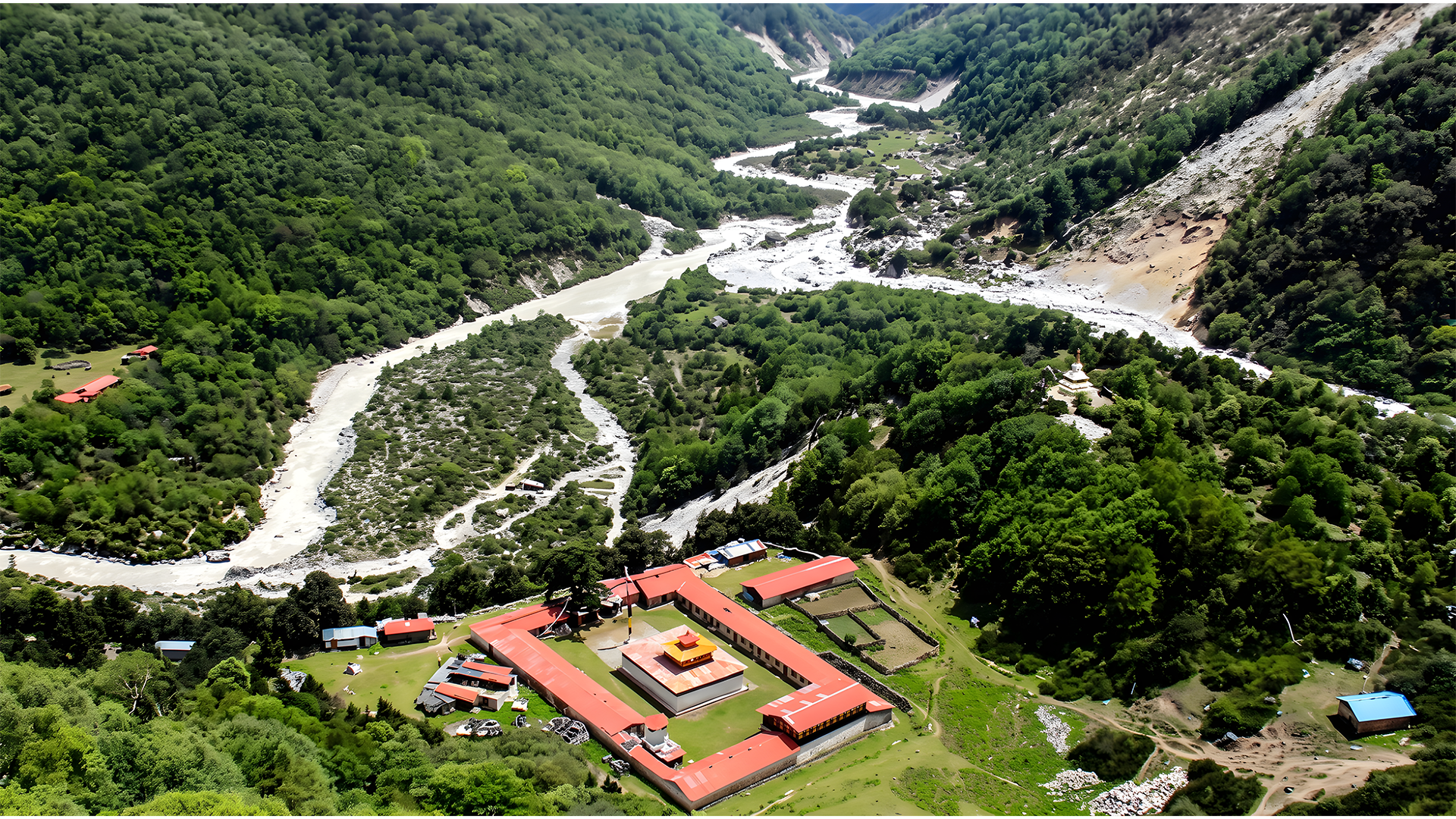
  • Lapchi Monastery – Visit an important Buddhist pilgrimage site surrounded by the peaceful landscapes of the Lapchi Valley.
  • Remote Lapchi Valley – Experience an isolated Himalayan valley that remains largely untouched by mass tourism.
  • Tama Koshi River – Follow the scenic Tama Koshi River from Jagat toward Lamabagar before entering the remote Lapchi region.
  • Ama Bamare Himal – Enjoy dramatic views of the rugged mountain landscapes and the striking rock formations surrounding Lapchi Kang.
  • Kookur Raja Darra (King Dog Ridge) – Experience the spectacular cliffs and rock faces that characterize the remote Lapchi landscape.
  • Pristine Bamboo and Cloud Forests – Trek through dense forests, bamboo groves, and diverse Himalayan vegetation.
  • Rare Himalayan Wildlife – Explore a protected natural environment that provides habitat for diverse Himalayan flora and wildlife, including the elusive snow leopard.
  • Three Sacred Mountains Tradition – Discover the traditional spiritual connection between Mount Kailash, Lapchi Kang, and Mount Tsari.
  • Gaurishankar Conservation Area – Trek through a protected Himalayan landscape rich in biodiversity and cultural heritage.
  • Restricted Himalayan Region – Experience a specially regulated and rarely visited part of Nepal requiring the applicable permits.
  • Authentic Himalayan Villages – Encounter traditional mountain communities, Buddhist culture, local customs, and Himalayan hospitality.
  • Off-the-Beaten-Path Adventure – Enjoy a genuine wilderness trekking experience away from Nepal's crowded trekking routes.
  • Camping in Remote Lapchi – Experience nights in remote mountain landscapes where teahouse infrastructure is limited or unavailable.
  • Spectacular Mountain Landscapes – Enjoy dramatic views of Himalayan ridges, cliffs, valleys, forests, and alpine terrain.
  • Spiritual and Cultural Journey – Combine pilgrimage, meditation, Buddhist heritage, nature, and Himalayan adventure in one extraordinary journey.
  • Professional NNGT Support – Travel with experienced mountain guides and carefully planned transportation, permits, camping logistics, safety arrangements, and local support from Nepal New Generation Trek & Adventure.
Itinerary

Seeking for a real adventure? Our travel itinerary is based on years of trekking expertise, ensuring that you have a fun and safe vacation. However, like with all such risky excursions, there may be instances where we must change the schedule, possibly without much notice. While we make every attempt to stick to the timetable, we humbly ask for your patience and flexibility if unforeseen circumstances like weather or unforeseen natural events come into play. You may be sure that our knowledgeable guides will adjust as needed to make your tour as enjoyable as possible.

Schedule for each day
Days: 1: Arrival in Kathmandu (1,350m)  
Welcome to Kathmandu, the vibrant capital city of Nepal and the starting point of your Lapchi Kang Pilgrimage Trek. Upon arrival at Tribhuvan International Airport, you will be warmly welcomed by a representative of Nepal New Generation Trek & Adventure and transferred to your hotel. After check-in, you can relax and recover from your journey. Depending on your arrival time, there may be an opportunity to explore the surrounding area or visit a nearby cultural site. In the evening, our team will provide a trek briefing, introduce you to your guide, and check your trekking equipment and necessary documents. We will also review the itinerary, safety procedures, permits, and preparations for the journey into remote Lapchi Valley. In the evening, enjoy a welcome dinner featuring traditional Nepali cuisine with our team. Overnight: Hotel in Kathmandu Accommodation: 3-star category hotel or similar Meals: Welcome dinner
Days: 2: Guided Sightseeing in the Kathmandu Valley  
After breakfast, enjoy a guided sightseeing tour of the Kathmandu Valley, exploring some of Nepal’s most important cultural, historical, and religious heritage sites. Depending on the itinerary and opening conditions, the sightseeing program may include Boudhanath Stupa, one of the largest Buddhist stupas in Nepal; Pashupatinath Temple, a sacred Hindu pilgrimage site on the banks of the Bagmati River; Swayambhunath Stupa, also known as the Monkey Temple, offering panoramic views of Kathmandu; and Kathmandu Durbar Square, renowned for its historic palaces, temples, courtyards, and traditional Newari architecture. Your knowledgeable local guide will explain the history, culture, architecture, and religious significance of each site. This day also provides an opportunity to prepare spiritually and culturally for the Lapchi Kang Pilgrimage Trek, particularly through visits to important Buddhist heritage sites. After sightseeing, return to the hotel and enjoy the evening at leisure. Our trekking team will make final preparations for the journey ahead. Overnight: Hotel in Kathmandu Accommodation: 3-star category hotel or similar Meals: Breakfast
Days: 3: Drive from Kathmandu to Rupthang Kharka via Barhabise Bazaar (2,850 m)  
After breakfast, we begin our scenic overland journey from Kathmandu to Rupthang Kharka, traveling through Barhabise Bazaar toward the Gaurishankar region. The drive takes us from the Kathmandu Valley into the beautiful hills and remote mountain landscapes of eastern Nepal. Along the way, we pass through rivers, terraced hillsides, traditional villages, and winding mountain roads. The journey offers beautiful views of the surrounding Himalayan foothills and, on a clear day, impressive mountain scenery toward Gaurishankar Himal. We continue through Barhabise Bazaar and gradually gain altitude as we approach Rupthang Kharka at approximately 2,850 meters. This peaceful mountain location provides a natural setting to spend the night before continuing deeper toward the Rolwaling Valley. Overnight: Lodge/Camp at Rupthang Kharka Altitude: 2,850 m Meals: Breakfast, Lunch and Dinner Transport: Private 4WD/Jeep
Days: 4: Trek from Rupthang Kharka to Bigu Gompa (2,020 m)  
After breakfast, we begin our trek from Rupthang Kharka toward the beautiful village of Bigu, home to the famous Bigu Gompa. The trail passes through peaceful forests, green hills, traditional settlements, and beautiful Himalayan landscapes. As we descend and gradually make our way toward Bigu, we enjoy the quiet surroundings and experience the natural beauty of this remote part of Nepal. The area is known for its traditional Sherpa and Buddhist culture, and the trail provides opportunities to observe the simple lifestyle of local mountain communities. We arrive at Bigu Gompa, situated at approximately 2,020 meters. The monastery is an important Buddhist center in the region and is surrounded by beautiful forests and mountain scenery. After reaching Bigu, we have time to explore the monastery and village, interact with the local community, and enjoy the peaceful Himalayan atmosphere. Overnight: Lodge/Guesthouse at Bigu Gompa Altitude: 2,020 m Meals: Breakfast, Lunch and Dinner Trekking: Approximately 5–6 hours
Days: 5: Trek from Bigu Gompa to Chilingkha (1,940 m)  
After breakfast, we leave Bigu Gompa and continue our trek toward Chilingkha, a peaceful mountain village situated at approximately 1,940 meters. The trail winds through beautiful forests, green hills, and traditional rural landscapes, offering a pleasant and scenic walking experience. Along the way, we pass through small settlements and terraced farmland while enjoying views of the surrounding hills and mountains. The trail gradually descends through the tranquil countryside, providing opportunities to experience the traditional lifestyle and warm hospitality of the local communities. After several hours of trekking, we arrive at Chilingkha, where we settle into our lodge or local guesthouse. The afternoon is free to relax, explore the village, and enjoy the peaceful surroundings. Overnight: Lodge/Guesthouse in Chilingkha Altitude: 1,940 m Meals: Breakfast, Lunch and Dinner Trekking: Approximately 5–6 hours
Days: 6: Trek from Chilingkha to Laduk (2,050m)  
After breakfast, we begin our trek from Chilingkha toward Laduk, following a scenic trail through the beautiful Himalayan foothills of northern Dolakha. The route passes through forests, terraced hillsides, small settlements, and peaceful rural landscapes, offering a glimpse into the traditional lifestyle of local mountain communities. As we continue walking, the trail gradually leads deeper into the remote Himalayan environment. Along the way, you can enjoy views of surrounding hills, forests, and mountain landscapes while experiencing the quiet atmosphere of the region. After several hours of trekking, we arrive at Laduk, a traditional mountain settlement situated at approximately 2,050 meters. After settling into our accommodation, there will be time to relax and explore the village. Overnight: Lodge/Guesthouse in Laduk Accommodation: Basic lodge or guesthouse Meals: Breakfast, Lunch and Dinner Trekking: Approximately 5–6 hours
Days: 7: Trek from Laduk to Orangdanda (2,029 m)  
After breakfast, we leave Laduk and continue our trek toward Orangdanda, situated at approximately 2,029 meters. The trail passes through peaceful forests, terraced fields, traditional villages, and beautiful rolling hills of the Gaurishankar region. The walk is a pleasant combination of gradual ascents and descents, allowing us to enjoy the natural scenery and observe the traditional lifestyle of local mountain communities. Along the way, we can enjoy views of the surrounding hills and Himalayan landscapes while walking through this quiet and less-traveled part of Nepal. After several hours of trekking, we reach Orangdanda, where we check into our lodge or local guesthouse. The afternoon is free to relax, explore the village, and enjoy the peaceful mountain surroundings. Overnight: Lodge/Guesthouse in Orangdanda Altitude: 2,029 m Meals: Breakfast, Lunch and Dinner Trekking: Approximately 5–6 hours
Days: 8: Trek from Orangdanda to Lamabagar (1,950m)  
After breakfast, we begin our trek from Orangdanda toward Lamabagar, following a scenic and increasingly remote trail through the rugged landscapes of northern Dolakha. The trail passes through forested hills, traditional settlements, and steep Himalayan terrain as we gradually make our way toward the Tama Koshi River. The sound of the river accompanies us along sections of the route, while the surrounding cliffs and mountain scenery create an impressive wilderness atmosphere. As we approach Lamabagar, the landscape becomes more dramatic and remote. Lamabagar is an important settlement and access point toward the remote valleys near the Nepal–Tibet border. From here, the trekking route continues toward the sacred Lapchi Valley. Upon arrival, we settle into our accommodation and have time to rest and prepare for the next stage of our pilgrimage journey. Overnight: Lodge/Guesthouse in Lamabagar Accommodation: Basic lodge or guesthouse Meals: Breakfast, Lunch and Dinner Trekking: Approximately 5–7 hours
Days: 9: Trek from Lamabagar to Lower Lumnang (2,700m)  
After breakfast, we leave Lamabagar and continue our journey deeper into the remote Himalayan wilderness toward Lower Lumnang. The trail follows rugged mountain terrain along the Tama Koshi River, passing through forests, rocky sections, steep hillsides, and dramatic landscapes. As we gain altitude, the surroundings become increasingly remote and peaceful. The trail offers beautiful views of the surrounding mountains, cliffs, forests, and river valleys. This section marks an important transition from the lower Himalayan foothills toward the secluded landscapes associated with the Lapchi region. After several hours of trekking, we reach Lower Lumnang, situated at approximately 2,700 meters. We settle into our campsite or local accommodation, depending on availability, and take time to rest and acclimatize to the increasing altitude. The evening is peaceful and provides an opportunity to prepare for the next stage of our pilgrimage toward the sacred Lapchi Valley. Overnight: Camp/Local Lodge at Lower Lumnang Accommodation: Camping or basic local accommodation Meals: Breakfast, Lunch and Dinner Trekking: Approximately 5–7 hours
Days: 10: Trek from Lower Lumnang to Lapchi Village (3,670m)  
After breakfast, we begin our trek from Lower Lumnang toward the sacred and remote Lapchi Village, situated at approximately 3,670 meters. Today’s trail takes us deeper into the secluded Himalayan landscape, with the route becoming more rugged and the surroundings increasingly peaceful and pristine. We trek through alpine forests, rocky mountain terrain, and traditional Himalayan landscapes while gradually gaining altitude. Along the way, we can enjoy spectacular views of the surrounding peaks, deep valleys, cliffs, and untouched wilderness. The remote character of the trail makes this section particularly rewarding for those seeking an authentic Himalayan pilgrimage experience. As we approach Lapchi Village, the spiritual atmosphere of the region becomes more apparent. Lapchi is traditionally associated with Milarepa, the renowned Tibetan Buddhist yogi and spiritual master, and is home to important Buddhist heritage sites, including Lapchi Monastery and sacred meditation caves. After reaching the village, we settle into our campsite or available local accommodation and take time to rest and acclimatize. Depending on arrival time and local conditions, we may have an opportunity to visit nearby sacred sites and experience the peaceful atmosphere of this remarkable Himalayan settlement. Overnight: Camp/Local Lodge in Lapchi Village Accommodation: Camping or basic local accommodation Meals: Breakfast, Lunch and Dinner Trekking: Approximately 5–7 hours
Days: 11: Explore Lapchi Monastery, Village, Milarepa Caves and Sacred Sites  
Today is dedicated to exploring the sacred spiritual heritage of Lapchi Village. After breakfast, we begin a peaceful exploration of the village and its surrounding religious and cultural sites. We visit Lapchi Monastery, an important Buddhist pilgrimage site traditionally associated with the spiritual heritage of Milarepa, the renowned Tibetan Buddhist yogi, poet, and mystic. Our guide will introduce you to the history, traditions, and religious significance of the area while ensuring that local customs and sacred practices are respected. We then explore the Milarepa Caves, where, according to local Buddhist tradition, Milarepa spent periods in meditation and spiritual retreat. The caves and surrounding landscape provide a quiet setting for reflection, meditation, and prayer. During the day, we also visit other sacred sites, meditation places, ancient trails, and important locations around Lapchi Village. You will have time to observe traditional Buddhist practices, interact respectfully with local residents, and experience the peaceful atmosphere of this remote Himalayan community. This special day offers a unique combination of pilgrimage, Buddhist culture, Himalayan wilderness, and spiritual discovery. In the afternoon, return to the campsite or local accommodation and enjoy a peaceful evening in the heart of Lapchi Valley. Overnight: Camp/Local Lodge in Lapchi Village Accommodation: Camping or basic local accommodation Meals: Breakfast, Lunch and Dinner Activity: Cultural and pilgrimage exploration
Days: 12: Trek to High Alpine Lakes (4,900m)  
After an early breakfast, we set out from Lapchi Village for a challenging and rewarding excursion toward the high alpine lakes at approximately 4,900 meters. Today is one of the most scenic and demanding sections of the pilgrimage journey, taking us into the high Himalayan landscape above Lapchi. The trail gradually climbs through rugged terrain, alpine meadows, rocky slopes, and remote mountain landscapes. As we gain altitude, the vegetation becomes increasingly sparse, revealing spectacular views of the surrounding Himalayan peaks, ridges, cliffs, and valleys. Upon reaching the high alpine lakes, we have time to appreciate the peaceful surroundings and dramatic scenery. The remote setting provides an exceptional opportunity for photography, reflection, and experiencing the pristine beauty of the Lapchi Himalayas. Because of the high altitude, we maintain a careful pace and allow sufficient time for rest and acclimatization. Our experienced trekking guide will monitor the group's condition and adjust the walking schedule according to weather and trail conditions. After spending time at the lakes, we return toward Lapchi Village for an overnight stay. Overnight: Camp in Lapchi Village Accommodation: Camping Meals: Breakfast, Lunch and Dinner Trekking: Approximately 6–8 hours Maximum Elevation: Approximately 4,900m
Days: 13: Trek to Yak Kharka (3,424m)  
After breakfast, we leave Lapchi Village and begin our descent toward Yak Kharka, situated at approximately 3,424 meters. After the challenging high-altitude excursion of the previous day, today’s trek provides a gradual change in elevation as we make our way through the remote Himalayan landscape. The trail passes through alpine meadows, rugged mountain terrain, and peaceful forests, with occasional views of surrounding peaks, ridges, and deep valleys. As we descend, the landscape gradually becomes greener and more diverse. Along the way, we may encounter traditional grazing areas used by local communities for yaks and other livestock. The peaceful surroundings and remote character of the trail offer an authentic glimpse into the traditional Himalayan way of life. After several hours of trekking, we reach Yak Kharka and settle into our campsite. The afternoon is free to rest, explore the surrounding area, or enjoy the mountain scenery. Overnight: Camp at Yak Kharka Accommodation: Camping Meals: Breakfast, Lunch and Dinner Trekking: Approximately 5–7 hours Elevation: 3,424m
Days: 14: Trek to King Dong Kharka (2,800m)  
After breakfast, we continue our descent from Yak Kharka toward King Dong Kharka, situated at approximately 2,800 meters. The trail gradually loses altitude as we pass through peaceful alpine landscapes, forests, open grazing areas, and rugged mountain terrain. The route offers beautiful views of the surrounding Himalayan hills and valleys. As we descend into lower elevations, the vegetation becomes increasingly dense, creating a refreshing contrast to the high-altitude landscapes of the previous days. Along the way, we may encounter local herders and traditional grazing areas, providing an opportunity to observe the simple lifestyle and cultural traditions of communities living in this remote part of the Himalayas. After several hours of trekking, we arrive at King Dong Kharka, where we set up camp and enjoy a relaxing evening surrounded by the peaceful Himalayan wilderness. Overnight: Camp at King Dong Kharka Accommodation: Camping Meals: Breakfast, Lunch and Dinner Trekking: Approximately 5–6 hours Elevation: 2,800m
Days: 15: Trek to Samling Phedi  
After breakfast, we continue our trek from King Dong Kharka toward Samling Phedi. Today’s route gradually descends through beautiful Himalayan forests, open grazing areas, and remote mountain landscapes. The trail becomes more comfortable as we lose altitude, while the surrounding vegetation becomes greener and denser. Along the way, we pass through peaceful sections of forest and traditional grazing areas, enjoying the natural beauty and quiet atmosphere of this little-visited region. Samling Phedi provides a peaceful setting to rest after the day's walk. Upon arrival, our trekking team will establish the campsite and prepare a warm meal. The remainder of the afternoon can be spent relaxing, enjoying the surrounding scenery, and reflecting on the memorable experiences of the Lapchi Kang Pilgrimage Trek. Overnight: Camp at Samling Phedi Accommodation: Camping Meals: Breakfast, Lunch and Dinner Trekking: Approximately 5–6 hours
Days: 16: Trek Back to Lamabagar  
After breakfast, we begin our trek from Samling Phedi back toward Lamabagar, retracing part of the route through the remote landscapes of northern Dolakha. The trail passes through forests, rugged hillsides, traditional settlements, and scenic sections along the Tama Koshi River. As we gradually approach Lamabagar, the landscape becomes more familiar, offering a final opportunity to appreciate the mountains, river valleys, and peaceful Himalayan surroundings. Upon reaching Lamabagar, we check into our lodge or campsite and have time to rest after the day's trek. This is also an opportunity to reflect on our journey through the sacred Lapchi Valley, including the spiritual heritage of Milarepa, Lapchi Monastery, the high alpine landscapes, and the remote Himalayan communities we encountered along the way. Overnight: Lodge/Guesthouse in Lamabagar Accommodation: Basic lodge or guesthouse Meals: Breakfast, Lunch and Dinner Trekking: Approximately 5–7 hours
Days: 17: Drive Back to Kathmandu by Bus/Jeep  
After breakfast, we leave Lamabagar and begin our scenic drive back to Kathmandu by private bus or jeep. The journey follows winding mountain roads through the beautiful landscapes of Dolakha, with views of hills, rivers, traditional villages, terraced farmland, and forested valleys along the way. We make suitable stops during the journey for refreshments and lunch, depending on road and traffic conditions. As we approach Kathmandu, the landscape gradually changes from remote Himalayan countryside to the busy surroundings of the Kathmandu Valley. Upon arrival in Kathmandu, we transfer to our hotel and have time to relax and freshen up after the long journey. In the evening, enjoy a farewell dinner with the Nepal New Generation Trek & Adventure team and celebrate the successful completion of your Lapchi Kang Pilgrimage Trek. Overnight: Hotel in Kathmandu Accommodation: 3-star category hotel or similar Meals: Breakfast, Lunch and Farewell Dinner Transportation: Private bus/jeep
Days: 18: Final Departure from Nepal  
Today marks the end of your Lapchi Kang Pilgrimage Trek and your stay in Nepal. Depending on your flight departure time, you will have some free time in Kathmandu for last-minute shopping, relaxation, or personal activities. Our representative from Nepal New Generation Trek & Adventure will pick you up from your hotel and transfer you to Tribhuvan International Airport. For international flights, we arrange your airport transfer so that you arrive at the airport approximately 3 hours before your scheduled departure time, allowing sufficient time for check-in, immigration, security, and boarding. We wish you a safe and pleasant journey home and hope to welcome you again for another Himalayan adventure with Nepal New Generation Trek & Adventure. Meals: Breakfast Transportation: Private vehicle to Tribhuvan International Airport Airport Transfer: Approximately 3 hours before international flight departure
Reservation & Date
Wednesday
30 Sep 2026
Friday
31 Dec 2027
$125 Off
$1775
$1900
4 Seats
Available
Monday
04 Jan 2027
Saturday
04 Dec 2027
$0 Off
$12075
$12075
4 Seats
Available
Inclusion/ Exclusion

Route and Transportation: The Lapchi Kang Pilgrimage Trekking is carefully organized from Kathmandu with a combination of private road transportation, trekking, and remote camping. The journey generally begins with a scenic drive from Kathmandu toward Barhabise, Dolangsa, and the surrounding Himalayan region, continuing toward the Lapchi approach. The exact roadhead and route may be adjusted according to current road conditions and local access.

Experienced Mountain Guides

Due to the remote and restricted nature of Lapchi Valley, the trek is operated with experienced local mountain guides familiar with the trails, villages, Buddhist heritage, conservation regulations, and mountain conditions. Our guides assist with navigation, cultural interpretation, accommodation, camping, group coordination, and safety throughout the journey.

Restricted-Area and Conservation Permits

Lapchi is a restricted and specially regulated Himalayan region. The required restricted-area and Gaurishankar Conservation Area permits, together with any other applicable permits, are arranged by Nepal New Generation Trek & Adventure before entering the region. Permit requirements are checked according to the current regulations at the time of departure.

Trekking and Camping Logistics

The Lapchi route includes remote sections where standard teahouse infrastructure is limited or unavailable. We therefore organize camping equipment, tents, kitchen equipment, dining arrangements, food supplies, and trekking staff for the appropriate sections of the journey.

Accommodation

Accommodation in Kathmandu and accessible mountain settlements is arranged in suitable hotels, lodges, or teahouses. In the remote Lapchi Valley, accommodation is primarily provided through organized tent camping in designated and suitable locations.

Meals and Kitchen Support

Breakfast, lunch, and dinner are provided during the trekking and camping sections. Our trekking kitchen team prepares nutritious meals suitable for physically demanding mountain days. We plan food supplies carefully because provisions and services are limited in the remote Lapchi region.

Spiritual and Cultural Respect

Lapchi is a sacred Buddhist pilgrimage region associated with Milarepa, Lapchi Monastery, and ancient meditation caves. Our guides brief trekkers on appropriate behavior at monasteries, caves, religious sites, prayer walls, and other sacred locations. We encourage all travelers to respect local customs, religious practices, and the spiritual character of the region.

Acclimatization and Fitness

Although Lapchi is not primarily a high-altitude technical expedition, the trek involves remote mountain terrain, steep ascents and descents, long walking days, and changing elevations. The itinerary is designed with appropriate pacing and rest where required. Participants should maintain good physical fitness and be prepared for remote trekking conditions.

Safety and Emergency Procedures

Safety is a central part of our operation. Our guides monitor weather, trail conditions, group health, and local circumstances throughout the journey. Communication equipment is carried where appropriate, and emergency procedures are established before entering remote sections. In case of serious illness or injury, the team coordinates appropriate medical assistance or evacuation according to the location and available services.

Weather and Route Flexibility

Conditions in the Lapchi region can change rapidly. Heavy rain, snowfall, landslides, trail damage, or local restrictions may affect the itinerary. Nepal New Generation Trek & Adventure maintains flexibility to adjust trekking days, camps, transportation, or route sections when necessary for safety and operational reasons.

Best Trekking Seasons

The preferred seasons are generally spring, from mid-March to May, and autumn, from September to November. These periods usually provide more favorable trekking conditions, although mountain weather remains unpredictable and final route decisions depend on actual local conditions.

Environmental Responsibility

Lapchi is a fragile Himalayan environment within the Gaurishankar Conservation Area. We follow responsible trekking practices, including minimizing waste, avoiding unnecessary disturbance to wildlife, respecting forests and water sources, and encouraging trekkers to leave no unnecessary impact on the environment.

Local Community Support

Our operation works with local guides, porters, cooks, transport providers, accommodation owners, and communities wherever possible. This helps support local employment and mountain communities while providing travelers with a more authentic experience of the Lapchi region.

NNGT Trekking Support

Nepal New Generation Trek & Adventure manages the journey from Kathmandu through the completion of the pilgrimage, including transportation coordination, permits, experienced guides, camping logistics, meals, accommodation, trekking staff, safety planning, and local arrangements.

Our goal is to provide a safe, respectful, well-organized, and authentic Lapchi Kang pilgrimage experience, allowing travelers to explore this sacred and remote Himalayan region while respecting its Buddhist heritage, local communities, and natural environment.

Services Included
  • Airport arrival and departure transfers by private vehicle according to the itinerary.
  • Hotel accommodation in Kathmandu on a twin-sharing basis with breakfast.
  • Welcome and farewell dinners hosted by Nepal New Generation Trek & Adventure.
  • Private transportation from Kathmandu to the trekking starting point and return transportation after completing the trek.
  • Experienced, licensed English-speaking trekking guide throughout the journey.
  • Assistant guides and porters according to group size and trekking requirements.
  • Guide and porter costs, including their salary, meals, accommodation, transportation, and insurance.
  • Required trekking permits, including the applicable Lapchi restricted-area permit and Gaurishankar Conservation Area permit, according to current regulations.
  • TIMS or other applicable trekking registration/documentation, where required under current regulations.
  • Hotel, lodge, or teahouse accommodation during accessible sections of the trek.
  • Full camping arrangements in remote Lapchi sections, including tents, sleeping arrangements, dining tent, kitchen tent, tables, chairs, and necessary camping equipment.
  • Three meals per day during the trekking and camping period: breakfast, lunch, and dinner.
  • Trekking kitchen and camping staff for remote camping sections.
  • Camping food supplies and cooking arrangements in areas without lodge facilities.
  • Basic group trekking equipment required for the organized camping sections.
  • Trekking staff equipment and logistics required for operating the remote sections.
  • First-aid kit carried by the trekking team.
  • Basic emergency communication and coordination support, where available.
  • Government and local taxes applicable to the included services.
  • Trekking agency service and logistical management throughout the journey.
  • Responsible trekking and local community coordination in the Lapchi region.
Services Excluded
  • International airfare to and from Nepal.
  • Nepal entry visa fee.
  • Travel and trekking insurance, including medical treatment and emergency helicopter evacuation insurance.
  • Personal medical expenses and medicines.
  • Emergency evacuation or rescue costs, including helicopter evacuation if required.
  • Personal trekking equipment, clothing, sleeping bag, trekking boots, backpack, trekking poles, waterproof gear, and other personal equipment.
  • Technical or specialized mountain equipment if required by the actual route or weather conditions.
  • Personal expenses such as laundry, telephone calls, internet, charging, and other individual services.
  • Bottled water, alcoholic beverages, soft drinks, mineral water, and personal snacks.
  • Additional hotel or accommodation costs caused by early return, delayed transportation, weather, illness, or itinerary changes.
  • Additional food or accommodation outside the planned itinerary.
  • Tips and gratuities for guides, porters, cooks, drivers, and other trekking staff.
  • Costs resulting from flight or road delays, cancellations, landslides, strikes, natural disasters, or other unforeseen circumstances.
  • Additional permit fees or government charges introduced after the booking or changed by the relevant authorities.
  • Additional transportation costs caused by itinerary changes requested by the client.
  • Extra nights in Kathmandu or elsewhere beyond the services included in the itinerary.
  • Any personal expenses or services not specifically mentioned under the inclusion section.
Frequently Asked Questions

The answers to your questions regarding the Nepal New Generation Trek, what this trip entails, and what is needed can be found in the following frequently asked questions. If your question isn't addressed there, don't hesitate to contact us.


The Lapchi Kang Pilgrimage Trek is a remote 14–16-day spiritual and adventure journey into the sacred Lapchi Valley of northern Dolakha, Nepal, near the Tibet border. The trek combines Buddhist heritage, Himalayan wilderness, ancient caves, monasteries, traditional villages, and spectacular mountain landscapes.

Lapchi Kang has a deep connection with Tibetan Buddhist traditions and is traditionally associated with the great Buddhist yogi and mystic Milarepa. The region is believed to have been an important place for meditation and spiritual practice. Lapchi is also traditionally regarded as one of the sacred Himalayan mountain regions alongside Mount Kailash and Mount Tsari.

Milarepa was a renowned Tibetan Buddhist yogi, poet, singer, and spiritual master. According to Buddhist tradition, he spent periods of meditation and retreat in the Himalayan region of Lapchi. Several caves and sacred places in the area are associated with his spiritual practice, including the famous Milarepa Cave.

Major highlights include: Sacred Lapchi Kang and Lapchi Valley Milarepa Cave Lapchi Monastery Tama Koshi River Remote Himalayan villages Ama Bamare Himal Kookur Raja Darra (King Dog Ridge) Bamboo and cloud forests Dramatic cliffs and rock formations Himalayan wildlife Gaurishankar Conservation Area Authentic Buddhist culture and traditions Remote wilderness and camping

The complete journey generally takes around 14–16 days, depending on the selected route, road conditions, trekking pace, acclimatization requirements, and time spent at important pilgrimage sites.

Lapchi Valley is located in northern Dolakha District of Nepal, close to the Nepal–Tibet border. It lies within a remote Himalayan landscape between the Tibet region and the Rolwaling Himal area.

Yes. Lapchi is a remote and specially regulated Himalayan region. Trekkers need the applicable permits and conservation-area permissions before entering the region. Nepal New Generation Trek & Adventure manages the required permits and documentation for its clients.

The trek requires the applicable Lapchi restricted-area permit and Gaurishankar Conservation Area permit, along with any other registration or permit required under current regulations. Permit requirements can change, so Nepal New Generation Trek & Adventure confirms the current requirements before departure.

Yes. The Lapchi Kang pilgrimage experience can be accessed from the Nepal side. Travellers do not need to enter Tibet to explore the Nepalese side of Lapchi Valley.

The generally preferred seasons are: Spring: March to May Autumn: September to November These periods normally offer more favourable trekking conditions and clearer mountain views. Conditions can vary, particularly in such a remote Himalayan region

Lapchi is a remote and physically demanding trekking destination with limited infrastructure. It is more suitable for experienced trekkers and physically fit travellers who are comfortable walking for several hours a day and camping in remote areas.

Previous high-altitude trekking experience is helpful but not always essential. Good physical fitness, preparation, proper pacing, and following the guide's advice are important. Nepal New Generation Trek & Adventure assesses the itinerary and walking conditions according to the group's experience and ability.

Accommodation depends on the section of the route. Kathmandu generally uses comfortable hotels, while villages may have basic lodges or teahouses where available. Remote sections of Lapchi require tent camping, with the trekking team carrying the necessary camping and kitchen equipment.

During the trekking and camping sections, three meals a day are generally provided. Meals may include traditional Nepali dishes such as dal bhat, rice, vegetables, noodles, pasta, soup, Tibetan-style foods, and other suitable trekking meals. In remote areas, our kitchen team prepares meals at the campsite.

Nepal New Generation Trek & Adventure provides the main group camping equipment required for the remote sections. Trekkers should bring their own personal sleeping bag, appropriate clothing, trekking boots, backpack, personal medicines, and other essential personal equipment.

The trek is operated with an experienced and licensed local trekking guide familiar with the Himalayan environment, local communities, Buddhist culture, route conditions, and remote trekking logistics. Additional guides, porters, or camping staff can be arranged depending on group size and requirements.

Safety is a major priority because Lapchi is remote and has limited infrastructure. Our team carefully monitors weather, trail conditions, altitude, health, and group pace. We carry a first-aid kit and maintain appropriate emergency communication. In the event of a serious emergency, evacuation arrangements can be coordinated according to the situation.

Altitude-related problems are possible on Himalayan treks. Proper acclimatization, gradual walking, adequate hydration, and maintaining a suitable pace are important. Our experienced guides monitor trekkers and provide guidance throughout the journey.

Essential items generally include: Good-quality trekking boots Warm layers and waterproof jacket Sleeping bag suitable for Himalayan conditions Backpack and daypack Trekking trousers and thermal layers Hat, gloves and sunglasses Water bottle or hydration system Sunscreen and personal toiletries Personal medicines and first-aid items Headlamp and spare batteries Trekking poles Passport and required travel documents A detailed packing list is provided before departure.

Yes. Nepal New Generation Trek & Adventure can organize private and tailor-made Lapchi Kang pilgrimage treks for individuals, couples, families, friends, Buddhist pilgrimage groups, and private organizations.

Yes. The itinerary can be adjusted according to the group's interests, fitness, available time, road conditions, weather, and pilgrimage requirements. Our team can also allow additional time at important spiritual and cultural sites when practical.

Yes. Lapchi is particularly meaningful for travellers interested in Tibetan Buddhism, Milarepa, meditation, Himalayan spiritual traditions, monasteries, and sacred landscapes. Visitors should respect local religious customs and sacred sites throughout the journey.

Lapchi combines a rare pilgrimage experience with remote Himalayan wilderness. Unlike many popular trekking destinations, the region receives relatively few visitors and offers an opportunity to experience ancient Buddhist heritage, remote villages, forests, caves, monasteries, and dramatic mountain landscapes in a peaceful environment.

We work with local guides, porters, cooks, accommodation providers, transportation operators, and other community members whenever possible. Our approach aims to support local employment and encourage responsible and sustainable tourism in remote Himalayan communities.

You can contact Nepal New Generation Trek & Adventure Pvt. Ltd. with your preferred travel dates, number of trekkers, and any special pilgrimage or trekking requirements. Our team will prepare a suitable itinerary, confirm the required permits and logistics, and provide the trip cost and preparation information. Nepal New Generation Trek & Adventure Kathmandu, Nepal Website: www.newgenerationtrek.com Email: info@newgenerationtrek.com