Mera Peak Climbing

Mera Peak Climbing is an exciting Himalayan adventure to one of Nepal’s highest trekking peaks, located in the eastern Khumbu region. Mera Peak has three main summits: Mera South (6,065 m), Mera Central (6,461 m), and Mera North (6,476 m). Most standard Mera Peak climbing programs target the Central Peak at 6,461 meters, while the higher North Peak requires additional climbing arrangements and comes at a higher overall cost. The journey takes you through the spectacular Hinku and Hongu valleys, traditional Sherpa villages, alpine forests, glaciers, and high-altitude landscapes. With experienced climbing guides, proper acclimatization, and professional support from Nepal New Generation Trek, this expedition offers an unforgettable opportunity to experience Himalayan mountaineering and enjoy panoramic views of Everest, Lhotse, Makalu, Baruntse, Chamlang, and other magnificent peaks. Challenge yourself, reach above 6,400 meters, and experience the Himalayas with Nepal New Generation Trek.

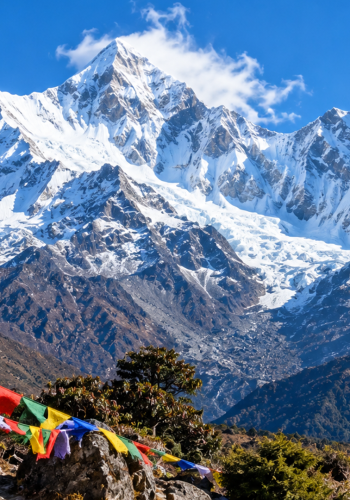
Mera Peak Climbing is one of Nepal’s most exciting Himalayan mountaineering adventures, combining remote high-altitude trekking, glacier travel, mountaineering training, and the challenge of reaching one of the highest trekking-peak summits in Nepal. Rising in the eastern Khumbu region, Mera Peak offers spectacular views of some of the world’s highest mountains, including Mount Everest, Lhotse, Makalu, Cho Oyu, Kangchenjunga, Baruntse, and Chamlang.

Organized by Nepal New Generation Trek, the Mera Peak Climbing expedition is designed for adventurous travelers who want to experience the beauty and challenge of Himalayan mountaineering with professional local support. The journey takes you through peaceful mountain villages, dense rhododendron and pine forests, remote valleys, alpine landscapes, glaciers, and high-altitude terrain before reaching the Mera Peak climbing area.

Mera Peak is an excellent choice for trekkers who want to progress from high-altitude trekking into Himalayan peak climbing. Previous technical mountaineering experience is helpful, but with proper physical preparation, acclimatization, training, and professional guidance, fit and determined trekkers can undertake the expedition.

Mera Peak and Its Three Summits

The Mera Peak massif is commonly described as having three main summits, offering different mountaineering objectives:

  • Mera South Peak – 6,065 meters
  • Mera Central Peak – approximately 6,461 meters
  • Mera North Peak – 6,476 meters (21,247 feet)

The Mera Central Peak is the objective commonly offered through organized Mera Peak climbing programs. The Mera North Peak, being the highest point of the massif, can involve a more demanding mountaineering objective and may require additional technical preparation, climbing support, equipment, logistics, and a higher expedition budget.

Permit requirements, summit regulations, and climbing procedures can change according to Nepal government regulations and current mountain-management rules. Nepal New Generation Trek confirms the applicable permits and arrangements before each expedition.

If you specifically want to attempt the Mera North Peak at 6,476 meters, please inform our team when making your booking so that the itinerary, climbing support, equipment, and cost can be planned accordingly.

Journey Through the Hinku Valley

The Mera Peak adventure generally follows the remote and beautiful Hinku Valley, one of the most attractive areas in the eastern Khumbu. Compared with the main Everest Base Camp route, the Hinku Valley provides a quieter and more remote Himalayan experience.

The trail passes through traditional mountain settlements, forests, river valleys, suspension bridges, alpine pastures, and increasingly rugged Himalayan terrain. Depending on the selected itinerary, the route may pass through places such as Paiya, Panggom, Ningsow, Chhatra Khola, Kothe, Thaknak, and Khare.

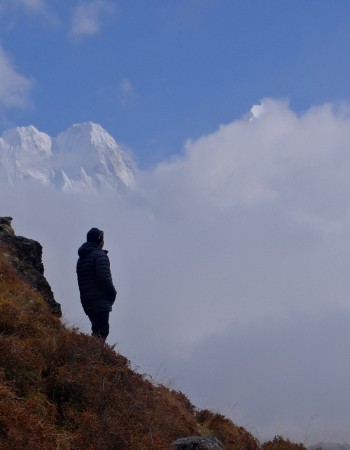
The lower section of the trek is characterized by lush vegetation and rhododendron forests. As the trail gains altitude, the trees gradually become smaller and the landscape changes into alpine meadows, rocky slopes, glaciers, and snow-covered peaks.

This gradual change in scenery makes the approach to Mera Peak a spectacular Himalayan journey in its own right.

Acclimatization and High-Altitude Preparation

Acclimatization is one of the most important elements of a successful Mera Peak expedition. The itinerary is designed to allow the body sufficient time to adjust to increasing altitude.

At higher elevations, the air contains less available oxygen, and climbers may experience symptoms of altitude sickness. Our experienced guides monitor the condition of the group and provide advice regarding pacing, hydration, nutrition, rest, and altitude awareness.

The expedition normally includes acclimatization and preparation time around Khare and the Mera climbing area. This period is also used to prepare climbing equipment and practice essential mountaineering techniques.

Mera Peak Climbing Training

Before attempting the summit, our experienced climbing guides provide practical instruction in basic mountaineering techniques.

Depending on conditions and the requirements of the expedition, training can include:

  • Walking with crampons
  • Using an ice axe
  • Wearing and using a climbing harness
  • Rope management
  • Fixed-rope techniques
  • Ascending and descending safely
  • Glacier travel
  • Basic snow and ice climbing techniques
  • Proper use of climbing equipment
  • Safe movement on steep terrain

This training is especially valuable for trekkers who have limited previous experience with technical climbing. It helps participants become familiar with their equipment and develop confidence before summit day.

Mera Base Camp and High Camp

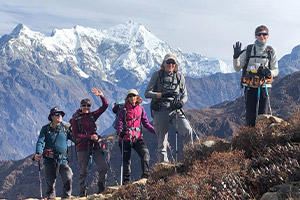
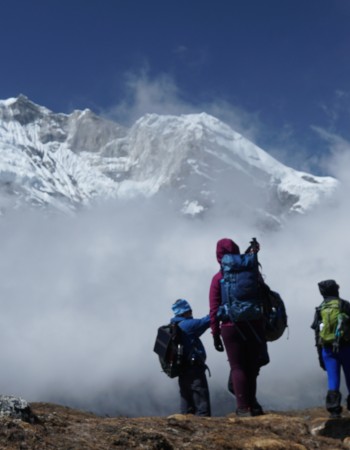
After acclimatization at Khare, the expedition moves toward the Mera Peak Base Camp. The environment becomes increasingly alpine, with expansive views of glaciers, snow-covered ridges, and surrounding Himalayan peaks.

From Base Camp, the team continues toward Mera High Camp, depending on the selected climbing itinerary and current route conditions. At high camp, climbers prepare their equipment and rest before the summit attempt.

The conditions at high altitude can be extremely cold, and mountain weather can change rapidly. Professional decision-making, suitable equipment, and careful preparation are therefore essential.

Mera Peak Summit Day

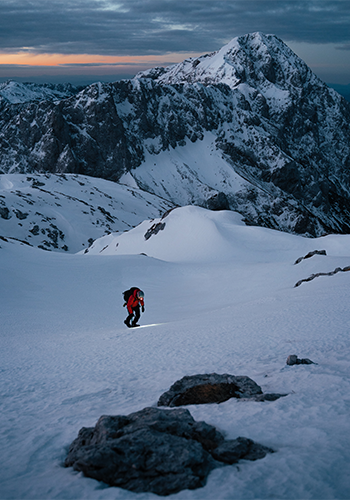
Summit day is the most challenging and rewarding stage of the expedition. Climbers normally start very early, often before sunrise, to take advantage of suitable weather and allow enough time for the ascent and descent.

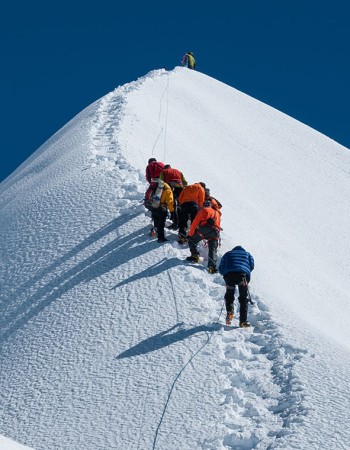
The route crosses snow and glacier terrain before reaching the summit ridge. Climbers use crampons, harnesses, ropes, ice axes, and other appropriate mountaineering equipment according to the route and conditions.

At approximately 6,476 meters, the summit environment is demanding. The combination of extreme altitude, cold temperatures, steep terrain, and limited oxygen requires endurance, patience, and determination.

The final ascent can be physically demanding, but reaching the summit provides an extraordinary sense of achievement.

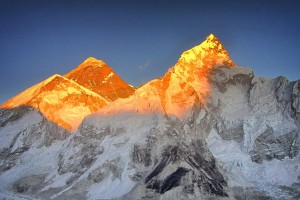
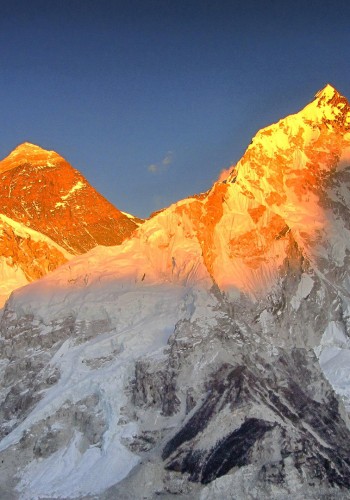
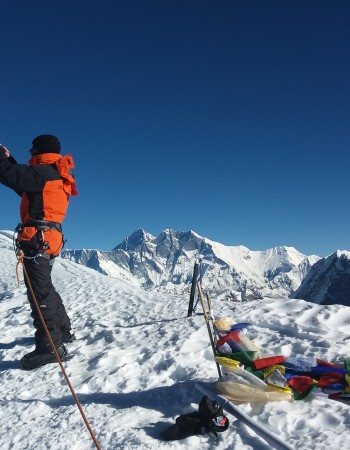
From the higher summit area, climbers can enjoy breathtaking Himalayan panoramas, with views toward Everest, Lhotse, Makalu, Cho Oyu, Kangchenjunga, Baruntse, Chamlang, and numerous other peaks when weather and visibility are favorable.

After celebrating the summit safely, the team begins the descent. Descending carefully is essential because fatigue and altitude can increase the risk of accidents. The expedition then continues toward lower elevations and eventually returns through the Hinku Valley.

Professional Climbing Support

Nepal New Generation Trek places safety, responsible mountain travel, and professional service at the heart of every Mera Peak expedition.

Our experienced local trekking and climbing guides have extensive knowledge of the Himalayan environment, mountain trails, altitude conditions, weather patterns, and local culture. They assist with navigation, acclimatization, camp arrangements, climbing preparation, equipment, and summit-day procedures.

We understand that mountain conditions can never be completely predicted. Weather, snowfall, ice conditions, health, route conditions, and other natural factors can affect the summit attempt. Therefore, our guides make decisions based on the safety and condition of the entire climbing team.

Summit success cannot be guaranteed, but careful preparation and experienced leadership can greatly improve the chances of completing a safe and successful expedition.

Best Season for Mera Peak Climbing

The main climbing seasons for Mera Peak are spring and autumn.

Spring – March to May

Spring is one of the best times for Mera Peak climbing. The weather is generally favorable, temperatures gradually become warmer, and mountain visibility is often excellent. The lower valleys are also particularly beautiful because rhododendrons and other Himalayan flowers are in bloom.

Autumn – September to November

Autumn is another highly recommended season. After the monsoon, the atmosphere is often clear, mountain views are spectacular, and temperatures are generally suitable for trekking and climbing.

October and November are particularly popular for Himalayan adventures.

Winter can bring extremely low temperatures and heavy snow at higher elevations, while the monsoon months can create wet and difficult conditions on the lower approach trails. Climbers considering these periods should consult our team regarding current route and weather conditions.

Physical Fitness and Climbing Preparation

Mera Peak Climbing is a physically demanding high-altitude adventure. Participants should have good cardiovascular fitness, endurance, balance, and mental determination.

Preparation before arriving in Nepal can include:

  • Long-distance hiking
  • Uphill walking
  • Stair climbing
  • Cardiovascular exercise
  • Strength training
  • Endurance training
  • Practice carrying a backpack
  • Previous high-altitude trekking experience

Although Mera Peak is often considered an achievable introduction to Himalayan mountaineering, it should not be underestimated. The altitude of more than 6,000 meters creates a serious physical challenge.

Previous experience with crampons, ice axes, ropes, or glacier travel is beneficial, particularly for climbers planning a more demanding summit objective.

Mera Peak Climbing Cost

The cost of Mera Peak Climbing depends on several factors, including the duration of the itinerary, group size, transportation, accommodation, food, climbing permits, climbing guides, support staff, equipment requirements, and the selected summit objective.

A standard Mera Peak climbing program and an expedition specifically designed for the North Peak at 6,476 meters may have different costs because the North Peak objective can require additional technical support and specialized arrangements.

Nepal New Generation Trek provides customized quotations according to the climber's requirements. We can organize private expeditions, small groups, and tailor-made itineraries.

Why Choose Nepal New Generation Trek?

Nepal New Generation Trek is a locally based Nepal trekking and mountaineering company specializing in Himalayan adventure travel.

Our services include:

  • Trekking in Nepal
  • Peak climbing
  • Mountaineering expeditions
  • High-altitude adventures
  • Camping treks
  • Cultural tours
  • Helicopter tours
  • Pilgrimage tours
  • Tours in Nepal, Tibet, and Bhutan

Our team combines local Himalayan knowledge with professional trekking and climbing experience. We provide personalized service and carefully coordinate transportation, accommodation, permits, guides, climbing support, meals, equipment arrangements, and airport transfers according to the selected package.

We believe that a successful expedition is not only about reaching the summit. It is also about experiencing the local culture, respecting the mountain environment, supporting local communities, and returning home safely with unforgettable memories.

Responsible and Sustainable Adventure

Nepal New Generation Trek is committed to responsible tourism and respectful travel in the Himalayan region. During the Mera Peak expedition, we encourage travelers to respect local traditions, minimize waste, protect the natural environment, and support local communities.

The Himalayan mountains are home to unique cultures, fragile ecosystems, and communities whose lives are closely connected with the mountains. Responsible trekking and mountaineering help protect these valuable environments for future generations.

Experience the Mera Peak Adventure

Mera Peak Climbing offers a remarkable combination of adventure, culture, nature, and mountaineering. From Kathmandu, the journey leads into the remote Hinku Valley, through beautiful forests and Sherpa settlements, toward the high alpine environment surrounding Mera Peak.

The expedition allows you to experience glacier travel, high-altitude trekking, climbing training, snow-covered landscapes, and the excitement of a Himalayan summit attempt.

Whether you are an experienced mountaineer seeking a challenging Himalayan objective or an ambitious trekker preparing for your first major peak, Nepal New Generation Trek can help organize your Mera Peak adventure according to your experience, objectives, schedule, and budget.

The Mera Peak massif—with its South Peak at 6,065 meters, Central Peak at approximately 6,461 meters, and North Peak at 6,476 meters—offers different possibilities for adventurous climbers. If your goal is the highest North Peak, additional technical preparation and climbing arrangements should be planned in advance.

Join Nepal New Generation Trek for an unforgettable Mera Peak Climbing adventure and discover the beauty, challenge, and grandeur of the Himalayas from above 6,000 meters.

Region
Nepal
Duration
17 days
Level
moderate
Max Altitude
6476m.
Daily Activity
6-7 hours
Season
March, April, May, September, October,november
Starting From
$ 2825
Nepal New Generation Trek & Adventure offers this Mera Peak Climbing USD 2825 per person for a group of 4 or more participants.
Brief Introduction

Mera Peak Climbing is an unforgettable Himalayan adventure that combines high-altitude trekking, glacier travel, mountaineering training, and the excitement of reaching a spectacular Himalayan summit. Rising to 6,476 meters (21,247 feet), Mera Peak is located in the eastern Khumbu region of Nepal and offers breathtaking panoramic views of some of the world’s highest mountains, including Mount Everest, Lhotse, Makalu, Cho Oyu, Kangchenjunga, Baruntse, and Chamlang.

The Mera Peak massif has three main summits: Mera South Peak (6,065 m), Mera Central Peak (approximately 6,461 m), and Mera North Peak (6,476 m). The Central Peak is the common objective for many organized climbing programs, while the North Peak is a higher and more demanding mountaineering objective that may require additional technical preparation, specialized equipment, climbing support, and a higher budget.

Organized by Nepal New Generation Trek, the Mera Peak Climbing expedition is carefully planned for adventurous trekkers and mountaineers seeking a genuine Himalayan climbing experience. The journey takes you through the remote Hinku Valley, traditional Sherpa settlements, rhododendron and pine forests, alpine landscapes, glaciers, and high mountain terrain before reaching the Mera climbing area.

With experienced local trekking and climbing guides, proper acclimatization, practical mountaineering training, and reliable logistical support, Nepal New Generation Trek aims to make your Mera Peak adventure safe, enjoyable, and memorable. Whether you are preparing for your first Himalayan summit or looking for a more challenging high-altitude climbing objective, Mera Peak provides an outstanding opportunity to experience the beauty and adventure of the Nepal Himalayas.

Mera Peak Climbing – Highlights
  • Summit Mera Peak at 6,476 meters (21,247 feet) and experience an unforgettable Himalayan mountaineering adventure.
  • Explore the remote and spectacular Hinku Valley, away from the busier trekking routes of the Khumbu region.
  • Experience the unique three-summit Mera massif: South Peak (6,065 m), Central Peak (approximately 6,461 m), and North Peak (6,476 m).
  • Enjoy breathtaking panoramic views of Mount Everest, Lhotse, Makalu, Cho Oyu, Kangchenjunga, Baruntse, and Chamlang.
  • Trek through beautiful rhododendron, pine, and birch forests and traditional Sherpa settlements.
  • Experience authentic Sherpa culture, Buddhist traditions, monasteries, and Himalayan village life.
  • Receive practical mountaineering training in crampon walking, ice-axe techniques, rope systems, glacier travel, and climbing safety.
  • Trek across spectacular glacial and alpine landscapes while gradually acclimatizing to high altitude.
  • Enjoy professional support from experienced local trekking and climbing guides throughout the expedition.
  • Choose a climbing objective according to your experience, including the standard Central Peak program or the more demanding North Peak objective.
  • Benefit from carefully planned acclimatization, climbing preparation, logistics, and safety management.
  • Experience an exciting combination of trekking, mountaineering, adventure, nature, and Himalayan culture with Nepal New Generation Trek.
  • Create lifelong memories from one of Nepal’s most rewarding 6,000-meter Himalayan climbing adventures.
Itinerary

Seeking for a real adventure? Our travel itinerary is based on years of trekking expertise, ensuring that you have a fun and safe vacation. However, like with all such risky excursions, there may be instances where we must change the schedule, possibly without much notice. While we make every attempt to stick to the timetable, we humbly ask for your patience and flexibility if unforeseen circumstances like weather or unforeseen natural events come into play. You may be sure that our knowledgeable guides will adjust as needed to make your tour as enjoyable as possible.

Schedule for each day
Days: 1: Arrive in Kathmandu (1,350 m)  
Welcome to Nepal! Upon your arrival at Tribhuvan International Airport in Kathmandu, the Nepal New Generation Trek team will warmly welcome you at the airport and assist you with your luggage. Our representative will then transfer you comfortably to your hotel. After check-in, you will have time to relax and recover from your journey. In the evening, Nepal New Generation Trek will organize a welcome dinner where you can enjoy delicious traditional Nepali cuisine and meet our team. During dinner, we will also briefly introduce your Mera Peak Climbing adventure and explain the program for the days ahead. Overnight: Hotel in Kathmandu Altitude: 1,350 m Meals: Welcome Dinner
Days: 2: Sightseeing Exploration in Kathmandu and Mera Peak Climbing Preparation  
After breakfast, you will enjoy a guided sightseeing tour of the historic Kathmandu Valley, exploring its rich cultural heritage, ancient temples, monasteries, and traditional architecture. This is a wonderful opportunity to experience Nepalese culture and learn more about the history and traditions of the Kathmandu Valley. After sightseeing, we will return to the hotel for Mera Peak Climbing preparation. Our Nepal New Generation Trek team will conduct a detailed briefing about the trekking and climbing itinerary, safety procedures, altitude awareness, weather conditions, and daily routine. We will also check your climbing equipment and help arrange or provide any necessary gear before the expedition begins. You will have time to rest and make final preparations for the journey into the Khumbu region. Overnight: Hotel in Kathmandu Altitude: 1,350 m Meals: Breakfast
Days: 3: Fly from Kathmandu to Lukla (2,850 m) and Trek to Chhuthang (3,050 m)  
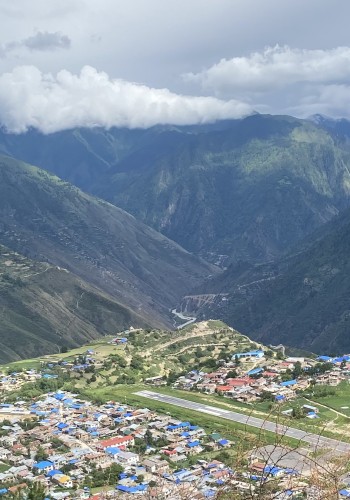
After an early breakfast, you will take a scenic mountain flight from Kathmandu to Lukla, situated at approximately 2,850 meters. The short flight offers spectacular views of the Himalayan ranges and provides an exciting beginning to your Mera Peak Climbing adventure. After landing at Lukla, we meet our trekking crew and begin our trek toward Chhuthang (3,050 m). The trail gradually climbs through beautiful pine and rhododendron forests, following peaceful mountain paths surrounded by impressive Himalayan scenery. This first trekking day is designed to allow your body to begin adapting to the increasing altitude. We maintain a comfortable pace with regular breaks while enjoying the natural beauty of the Khumbu region. After reaching Chhuthang, we check into the lodge or camping area and have time to relax. Our guide will provide information about the following day's trek and altitude management. Overnight: Lodge/Camp in Chhuthang Altitude: 3,050 m Trekking Duration: Approximately 4–5 hours Meals: Breakfast, Lunch and Dinner
Days: 4: Trek from Chhuthang to Tuli Kharka (4,300 m) via Zatrawala Pass  
After breakfast, we begin our trek from Chhuthang toward Tuli Kharka, crossing the challenging Zatrawala Pass. The trail climbs steadily through beautiful rhododendron and pine forests before reaching the high pass. Crossing Zatrawala Pass is one of the first major challenges of the Mera Peak Climbing adventure. From the pass, you can enjoy spectacular panoramic views of the surrounding Himalayan peaks and valleys. After taking some time to appreciate the scenery and photographs, we descend gradually toward Tuli Kharka at approximately 4,300 meters. The trail can be steep and demanding in places, so we maintain a steady pace with regular breaks to help with acclimatization. Upon reaching Tuli Kharka, we settle into our lodge or camp and enjoy a well-earned rest surrounded by magnificent mountain scenery. Overnight: Lodge/Camp in Tuli Kharka Altitude: 4,300 m Route: Chhuthang – Zatrawala Pass – Tuli Kharka Trekking Duration: Approximately 6–7 hours Meals: Breakfast, Lunch and Dinner
Days: 5: Trek from Tuli Kharka to Kothe (3,580 m)  
After breakfast, we leave Tuli Kharka and continue our journey toward Kothe (3,580 m). Today’s trail descends gradually through beautiful rhododendron, pine, and juniper forests, with occasional openings offering impressive views of the surrounding Himalayan peaks and deep valleys. The trail follows the remote Hinku Valley, providing a peaceful and scenic trekking experience away from the busier trails of the Everest region. Along the way, we cross several small streams and pass through traditional grazing areas used by local people. After several hours of trekking, we reach Kothe, an important settlement along the Mera Peak route. Here, we check into our lodge and enjoy a well-earned rest. The evening is ideal for relaxing and preparing for the higher-altitude trekking days ahead. Overnight: Lodge in Kothe Altitude: 3,580 m Route: Tuli Kharka – Hinku Valley – Kothe Trekking Duration: Approximately 6–7 hours Meals: Breakfast, Lunch and Dinner
Days: 6: Trek from Kothe to Thangnak (4,350 m)  
After breakfast, we leave Kothe (3,580 m) and continue our trek deeper into the remote Hinku Valley toward Thangnak (4,350 m). Today’s trail follows the Hinku River through a spectacular alpine landscape, with impressive views of surrounding mountains, cliffs, and glacial valleys. As we gain altitude, the vegetation becomes thinner and the landscape gradually changes from dense forest to open alpine terrain. Along the way, we pass through small seasonal settlements and grazing areas used by local yak herders. The trail is generally gradual, allowing us to walk at a comfortable pace while focusing on acclimatization and altitude management. The changing Himalayan scenery becomes increasingly dramatic as we approach the Mera Peak climbing area. After reaching Thangnak, we check into our lodge and take time to rest and acclimatize. Our climbing guide will discuss the next stage of the expedition and prepare us for the higher-altitude journey toward Khare and Mera Peak. Overnight: Lodge in Thangnak Altitude: 4,350 m Route: Kothe – Hinku Valley – Thangnak Trekking Duration: Approximately 5–6 hours Meals: Breakfast, Lunch and Dinner
Days: 7: Trek from Thangnak to Khare (5,045 m)  
After breakfast, we continue our Mera Peak Climbing journey from Thangnak to Khare, the main acclimatization and preparation point before heading toward Mera Base Camp and High Camp. Today’s trek takes approximately 3–4 hours, with the trail gradually ascending through rugged alpine terrain. As we climb higher, the landscape becomes increasingly dramatic, with spectacular views of Mera Peak, glaciers, snow-covered mountains, and the surrounding Himalayan valleys. The trail can be rocky and steep in sections, so we maintain a slow and steady pace, allowing our bodies to adapt to the increasing altitude. Upon arrival at Khare (5,045 m), we check into our lodge and have time to rest and acclimatize. Our climbing guides will also check the climbing equipment and prepare the team for the upcoming ascent. If conditions allow, basic climbing training and instruction in the use of crampons, ice axe, harness, and ropes may be provided. Overnight: Lodge in Khare Altitude: 5,045 m Trekking Duration: Approximately 3–4 hours Meals: Breakfast, Lunch and Dinner
Days: 8: Acclimatization and Side Exploration at Khare (5,045 m)  
Today is an important acclimatization and preparation day at Khare. After breakfast, we take a short and gradual hike around the surrounding alpine landscape to help our bodies adjust to the high altitude. From the higher viewpoints, we can enjoy magnificent views of Mera Peak, glaciers, snow-covered ridges, and the surrounding Himalayan peaks. The side exploration is kept at a comfortable pace, with plenty of time for rest, photography, and enjoying the spectacular mountain scenery. We return to Khare for lunch and spend the afternoon resting and preparing for the upcoming climbing stages. Our experienced climbing guides will also conduct a pre-climbing training and equipment check, including instruction on crampon walking, ice-axe techniques, harness use, rope systems, and glacier safety. This preparation is particularly useful for climbers with limited previous mountaineering experience. A good night's rest at Khare will prepare us for the next stage toward Mera Base Camp and High Camp. Overnight: Lodge in Khare Altitude: 5,045 m Activity: Acclimatization and side exploration Meals: Breakfast, Lunch and Dinner
Days: 9: Trek from Khare to Mera High Camp (Approx. 5,700–5,800 m)  
After an early breakfast, we begin our challenging ascent from Khare (5,045 m) toward Mera High Camp. Today is one of the most important stages of the Mera Peak Climbing expedition, as we enter the high-altitude climbing zone. The trail climbs toward Mera Base Camp before continuing across rocky, snowy, and glacial terrain toward High Camp. As we gain altitude, the landscape becomes increasingly spectacular, with breathtaking views of Mera Peak, glaciers, snow-covered ridges, and the surrounding Himalayan mountains. The approximately 6–7-hour ascent requires a slow and steady pace because of the high altitude. Our experienced climbing guides will monitor the group carefully and provide support throughout the journey. Depending on snow and route conditions, climbers may use crampons, harnesses, ropes, and other mountaineering equipment. After reaching Mera High Camp at approximately 5,700–5,800 meters, our crew will prepare the tented camp. You will have time to rest, hydrate, eat, and make final preparations for the early-morning summit attempt. In the evening, our climbing guides will provide a final briefing covering summit-day procedures, weather conditions, climbing techniques, safety, equipment, and the planned route. An early dinner and good rest are essential before the demanding summit day. Overnight: Tented Camp at Mera High Camp Altitude: Approximately 5,700–5,800 m Trekking/Climbing Duration: Approximately 6–7 hours Accommodation: Tented Camp Meals: Breakfast, Lunch and Dinner
Days: 10Early Morning Summit of Mera Peak (6,461 m) and Descent to Khare  
Today is the highlight and most challenging day of the Mera Peak Climbing expedition. We wake very early, usually before sunrise, and begin our summit attempt from Mera High Camp. After a light breakfast and final equipment check, we start climbing toward the summit of Mera Central Peak at approximately 6,461 meters. The ascent takes us across snow and glacial terrain, where we use appropriate mountaineering equipment such as crampons, harnesses, ropes, and ice axes according to the route and current conditions. Our experienced climbing guides will lead the team carefully, maintaining a steady pace and providing technical and safety support throughout the climb. As we approach the summit, the altitude and cold make the climb increasingly demanding, requiring determination, patience, and good physical endurance. Upon reaching the Mera Peak summit at 6,461 meters, we celebrate this incredible achievement and enjoy spectacular panoramic views of the Himalayan giants, including Mount Everest, Lhotse, Makalu, Cho Oyu, Baruntse, Chamlang, and other surrounding peaks, weather permitting. After spending a safe and appropriate amount of time at the summit, we begin our descent. Descending is an important part of the expedition, so we move carefully and follow our climbing guide's instructions on snow and glacial terrain. We continue down toward Khare, where we check into a tea house/lodge and enjoy a well-earned rest after the demanding summit day. Overnight: Tea House/Lodge in Khare Summit Altitude: 6,461 m Activity: Early Morning Mera Peak Summit and Descent Accommodation: Tea House/Lodge Meals: Breakfast, Lunch and Dinner
Days: 11: Trek from Khare to Thangnak (4,350 m)  
After breakfast, we leave Khare (5,045 m) and begin our descent toward Thangnak (4,350 m). After the demanding high-altitude climbing days, today is a relatively short and relaxing trekking day of approximately 2 hours. The trail gradually descends through the beautiful alpine landscape of the Hinku Valley. As we lose altitude, the surrounding environment becomes greener, and we enjoy views of the mountains, rocky valleys, and surrounding hills. Upon reaching Thangnak, we check into a comfortable tea house or lodge and have plenty of time to rest and recover. The afternoon can be spent relaxing, enjoying the mountain scenery, and preparing for the continuation of our journey toward the lower Hinku Valley. Overnight: Tea House/Lodge in Thangnak Altitude: 4,350 m Trekking Duration: Approximately 2 hours Route: Khare – Thangnak Meals: Breakfast, Lunch and Dinner
Days: 12: Trek from Thangnak to Kothe (3,580 m)  
After breakfast, we begin our trek from Thangnak (4,350 m) toward Kothe (3,580 m). Today is a pleasant descent of approximately 4 hours, following the scenic trails of the Hinku Valley. The trail gradually descends through beautiful alpine landscapes and forests of rhododendron, pine, and juniper. As we lose altitude, the vegetation becomes greener and the air feels more comfortable. Along the way, we enjoy peaceful mountain scenery and views of the surrounding valleys and peaks. After approximately four hours of trekking, we arrive at Kothe, an important stop on the Mera Peak route. We check into a comfortable tea house and have time to relax and recover after the summit adventure. Overnight: Tea House in Kothe Altitude: 3,580 m Trekking Duration: Approximately 4 hours Route: Thangnak – Hinku Valley – Kothe Accommodation: Tea House Meals: Breakfast, Lunch and Dinner
Days: 13: Trek from Kothe to Tuli Kharka (4,300 m)  
After breakfast, we leave Kothe (3,580 m) and begin our trek toward Tuli Kharka (4,300 m). Today’s trek takes approximately 5–6 hours and follows the beautiful trails through the remote Hinku Valley. The trail gradually climbs through dense rhododendron, pine, and juniper forests, with occasional sections offering beautiful views of the surrounding mountains and valleys. As we gain altitude, the landscape becomes increasingly alpine and dramatic. We continue at a steady and comfortable pace, allowing plenty of time for rest and photography along the way. After approximately 5–6 hours of trekking, we reach Tuli Kharka, where we settle into a local tea house and enjoy a well-earned rest. Overnight: Tea House in Tuli Kharka Altitude: 4,300 m Trekking Duration: Approximately 5–6 hours Route: Kothe – Tuli Kharka Accommodation: Tea House Meals: Breakfast, Lunch and Dinner
Days: 14: Trek from Tuli Kharka to Lukla (2,850 m)  
After breakfast, we begin our final trekking day from Tuli Kharka (4,300 m) toward Lukla (2,850 m). The trail gradually descends through beautiful rhododendron and pine forests, with spectacular views of the surrounding Himalayan valleys and mountains. We continue at a comfortable pace, enjoying the changing landscapes as we descend to lower elevations. After approximately 6–7 hours of trekking, we reach Lukla, the gateway to the Everest and Mera Peak regions. Upon arrival in Lukla, we check into our hotel and relax after completing our Mera Peak Climbing adventure. In the evening, we can celebrate the successful journey with our trekking and climbing team. Overnight: Hotel in Lukla Altitude: 2,850 m Trekking Duration: Approximately 6–7 hours Route: Tuli Kharka – Lukla Accommodation: Hotel Meals: Breakfast, Lunch and Dinner
Days: 15: Flight from Lukla to Kathmandu via Manthali or Direct  
After breakfast, transfer to Tenzing-Hillary Airport in Lukla for your flight back to Kathmandu. Depending on the season, weather conditions, and flight schedule, you may fly directly from Lukla to Kathmandu or travel via Manthali Airport and continue by road to Kathmandu. The scenic flight offers beautiful views of the Himalayan mountains and valleys. Upon arrival in Kathmandu, transfer to your hotel and enjoy some time to relax after completing your Mera Peak Climbing adventure. Overnight: Hotel in Kathmandu Altitude: 1,350 m Flight Duration: Approximately 30–40 minutes (Lukla–Kathmandu, when direct) Route: Lukla → Kathmandu / Lukla → Manthali → Kathmandu Accommodation: Hotel Meals: Breakfast and Lunch
Days: 16: Leisure Day in Kathmandu and Farewell Dinner  
Today is a leisure and relaxation day in Kathmandu after your successful Mera Peak Climbing adventure. Enjoy a relaxed morning at the hotel, rest, or explore Kathmandu independently and do some last-minute shopping for souvenirs and gifts. In the evening, Nepal New Generation Trek will host a special farewell dinner to celebrate the successful completion of your Mera Peak adventure. Enjoy delicious traditional Nepali cuisine, cultural hospitality, and a warm gathering with your trekking and climbing team. It will be a wonderful opportunity to share memories of the journey and celebrate the achievement together. Overnight: Hotel in Kathmandu Altitude: 1,350 m Activity: Leisure day and farewell dinner Accommodation: Hotel Meals: Breakfast and Farewell Dinner
Days: 17: Final Departure from Nepal  
Today is the final day of your Nepal adventure. Depending on your international flight schedule, Nepal New Generation Trek will arrange private transportation from your hotel to Tribhuvan International Airport. You are advised to be ready at the hotel and leave for the airport at least 3 hours before your scheduled flight departure time. Our team will assist you with your luggage and airport transfer, ensuring a smooth and comfortable departure from Nepal. We hope you return home with wonderful memories of your Mera Peak Climbing adventure and the Himalayas of Nepal. Thank you for traveling with Nepal New Generation Trek, and we look forward to welcoming you again for another Himalayan adventure. Accommodation: — Airport Transfer: Private transportation provided by Nepal New Generation Trek Recommended Airport Arrival: At least 3 hours before international flight departure Meals: Breakfast
Reservation & Date
Friday
30 Jan 2026
Friday
31 Dec 2027
$175 Off
$2825
$3000
4 Seats
Available
Inclusion/ Exclusion

Mera Peak Climbing is a high-altitude mountaineering adventure that requires careful planning, experienced leadership, proper acclimatization, and reliable logistical support. Nepal New Generation Trek operates Mera Peak expeditions with a strong focus on safety, professional service, responsible tourism, and a comfortable experience in the Himalayas.

Professional Trekking and Climbing Team

Our experienced trekking and climbing guides lead the expedition from Kathmandu to the Mera Peak region and back. The team is trained in high-altitude trekking, mountain safety, glacier travel, basic mountaineering techniques, and emergency response.

Airport and Transportation Services

Our team welcomes you at Tribhuvan International Airport in Kathmandu and provides airport transfers. Domestic flights between Kathmandu/Lukla or Manthali/Lukla are arranged according to the applicable flight schedule and operating conditions.

Trekking Route and Logistics

The expedition follows the scenic route through Lukla, Chhuthang, Tuli Kharka, Kothe, Thangnak, Khare, and Mera High Camp before the summit attempt. We carefully coordinate accommodation, meals, trekking staff, camping arrangements, equipment, and local transportation throughout the journey.

Acclimatization and Safety

Proper acclimatization is an essential part of our Mera Peak operation. The itinerary includes gradual altitude gain and an acclimatization day at Khare. Our guides monitor the group throughout the trek and provide advice regarding altitude sickness, hydration, rest, weather, and safe mountain travel.

Mountaineering Preparation

Before the summit attempt, climbers receive practical instruction and preparation for high-altitude climbing. Depending on the conditions and individual experience, the team provides guidance on the use of crampons, ice axe, harness, climbing rope, and other essential mountaineering equipment, as well as glacier and rope-safety techniques.

High Camp and Summit Operation

The team establishes and manages the high-camp operation at an appropriate altitude based on current mountain conditions. The summit attempt begins early in the morning, allowing sufficient time for the climb and descent. The final summit plan may be adjusted according to weather, snow conditions, climber fitness, and mountain safety.

Food and Accommodation

During the trekking section, accommodation is provided in local tea houses and lodges. At the higher elevations where tea houses are unavailable, tented camping is arranged. Our team provides nutritious meals suitable for high-altitude trekking and climbing, with attention to hydration and energy requirements.

Emergency and Contingency Support

Mountain conditions can change quickly. Our guides continuously assess weather, trail, glacier, and health conditions. If necessary, the itinerary or summit schedule may be adjusted to maintain safety. Emergency evacuation and rescue arrangements can be coordinated when required, subject to weather, availability, insurance, and local regulations.

Environmental Responsibility

Nepal New Generation Trek is committed to responsible mountain tourism. We encourage travelers and staff to minimize waste, respect local communities and culture, protect the natural environment, and follow Leave No Trace principles wherever possible.

Our Commitment

With experienced local staff and carefully coordinated logistics, Nepal New Generation Trek aims to provide a safe, professional, and memorable Mera Peak Climbing experience from arrival in Kathmandu to your final departure from Nepal.

Services Included
  • Airport pickup and drop-off by private vehicle in Kathmandu.
  • Welcome and farewell dinner hosted by Nepal New Generation Trek.
  • 3-star category hotel accommodation in Kathmandu with breakfast.
  • Domestic flights between Kathmandu/Manthali and Lukla, according to the applicable flight schedule.
  • Experienced, licensed, English-speaking trekking and climbing guide.
  • Necessary trekking and climbing staff, including porters, according to group size.
  • Guide and porter salaries, meals, accommodation, insurance, and necessary equipment.
  • Trekking and climbing permits required for the Mera Peak expedition.
  • Sagarmatha National Park entry permit and applicable local area permits.
  • Tea house/lodge accommodation during the trekking period.
  • Tented accommodation at Mera High Camp where required.
  • Three meals a day during the trekking and climbing period: breakfast, lunch, and dinner.
  • Seasonal fresh fruits or basic snacks where available.
  • Basic climbing equipment such as ropes and group mountaineering equipment as required by the climbing team.
  • Mera Peak climbing guide and technical support during the summit attempt.
  • Trekking staff equipment and insurance.
  • Government taxes and applicable service charges.
  • Down jacket and sleeping bag for the trekking/climbing period, where provided by the company.
  • Basic first-aid and emergency support from the trekking team.
  • Kathmandu hotel-to-airport transfer for international departure.
Services Excluded
  • International airfare to and from Nepal.
  • Nepal visa fees.
  • Travel and comprehensive mountaineering insurance.
  • Emergency helicopter evacuation and rescue costs.
  • Personal medical expenses and medicines.
  • Personal climbing equipment such as mountaineering boots, crampons, ice axe, harness, helmet, ascender, gloves, and technical clothing unless specifically included in the package.
  • Personal expenses such as laundry, telephone calls, internet, beverages, snacks, and bottled water.
  • Extra hotel accommodation and meals in Kathmandu due to early arrival, late departure, flight cancellation, or itinerary changes.
  • Meals and accommodation outside the scheduled itinerary.
  • Additional costs caused by flight delays, bad weather, natural disasters, road blockages, or other unforeseen circumstances.
  • Tips for guides, climbing staff, porters, and drivers.
  • Any additional permits, services, or expenses not specifically mentioned under the inclusion section.
Frequently Asked Questions

The answers to your questions regarding the Nepal New Generation Trek, what this trip entails, and what is needed can be found in the following frequently asked questions. If your question isn't addressed there, don't hesitate to contact us.


Mera Peak Climbing is an exciting Himalayan mountaineering adventure in Nepal's Khumbu region. The journey combines high-altitude trekking, acclimatization, glacier travel, mountaineering training, and a challenging summit attempt of Mera Peak.

Mera Peak has three main summits: South Mera Peak at approximately 6,065 m, Central Mera Peak at approximately 6,461 m, and North Mera Peak at 6,476 m. Most organized climbing itineraries target Mera Central Peak (6,461 m).

Previous technical climbing experience is not always required for the standard Mera Peak Central summit, but you should have good physical fitness and be comfortable trekking at high altitude. Basic mountaineering skills can be taught by our climbing team before the summit attempt.

You should be in good physical condition and capable of walking for approximately 5–8 hours per day on challenging mountain terrain. Regular hiking, cardiovascular exercise, strength training, and endurance preparation before the trip are highly recommended.

The best seasons are generally spring (March–May) and autumn (September–November). These periods normally offer more favorable weather and better mountain visibility, although conditions can change quickly at high altitude

A standard itinerary can take around 17 days, including arrival and departure from Nepal, Kathmandu preparation, trekking to the Mera region, acclimatization, summit climbing, and return to Kathmandu.

For the standard itinerary, the summit objective is Mera Central Peak at approximately 6,461 m (21,198 ft).

Mera Peak is considered one of Nepal's more accessible trekking peaks, but it is still a serious high-altitude mountaineering challenge. Cold temperatures, altitude, snow, glaciers, steep terrain, and changing weather require proper preparation and experienced guides.

Yes. Depending on current mountain conditions, climbers normally use technical equipment such as crampons, an ice axe, harness, helmet, climbing rope, and other safety equipment. Our climbing guides provide instruction on the correct use of this equipment.

Yes. The itinerary includes an acclimatization and preparation day at Khare (5,045 m). This helps your body adjust to the increasing altitude and also provides an opportunity for climbing training and equipment checks.

Accommodation is provided in local tea houses and lodges during the lower trekking sections. At higher elevations, where lodges are unavailable, the team uses tented camps, including the high-camp section.

During the trekking and climbing period, we provide breakfast, lunch, and dinner. Meals are designed to provide sufficient energy for trekking and high-altitude activities. Vegetarian and other dietary requirements can generally be arranged with advance notice.

Climbers need the applicable Mera Peak climbing permit and relevant trekking, conservation-area, or national-park permits depending on the route and current regulations. Permit fees and regulations may change, so Nepal New Generation Trek confirms the current requirements before departure

Safety comes first. If weather or mountain conditions are unsafe, our climbing leader may delay or modify the summit attempt. The final summit schedule depends on weather, snow conditions, route safety, and the physical condition of the climbers.

Reaching the summit is never guaranteed because of weather, altitude, health, or mountain conditions. Our guides will make decisions based on safety. If a climber cannot continue safely, the team will assist with a controlled descent and provide appropriate support.

Emergency evacuation, including helicopter rescue where possible, can be arranged in an emergency subject to weather, helicopter availability, local conditions, and insurance coverage. Comprehensive travel and mountaineering insurance with high-altitude emergency evacuation coverage is strongly recommended.

Fit and well-prepared beginners can potentially attempt Mera Central with professional guidance and proper training. However, the climb should not be underestimated because it involves high altitude, glacier travel, cold conditions, and a demanding summit day.

The higher Mera North Peak (6,476 m) is a more demanding objective than the commonly organized Central Peak. It may require additional technical preparation, equipment, permits, guides, logistics, and budget. Contact Nepal New Generation Trek if you are interested in a North Peak objective.

Essential equipment includes warm layered clothing, insulated jacket, waterproof clothing, trekking boots, mountaineering boots, gloves, hat, sunglasses or glacier glasses, sleeping bag, backpack, headlamp, water bottles, personal medication, and technical climbing equipment as advised by our climbing team.

You can contact Nepal New Generation Trek with your preferred travel dates, group size, and previous trekking or climbing experience. Our team will help you prepare the itinerary, confirm permits and logistics, arrange guides and climbing support, and provide the appropriate package details.

Nepal New Generation Trek provides locally operated trekking and climbing services with experienced guides, carefully planned itineraries, professional logistical support, acclimatization planning, and a strong focus on safety and responsible mountain tourism.

Yes. We strongly recommend comprehensive travel insurance that specifically covers high-altitude trekking and mountaineering, emergency medical treatment, and helicopter evacuation at the maximum altitude of the expedition.

Yes. Mountain itineraries are flexible because weather, flight schedules, trail conditions, and individual fitness can affect the journey. Our team may adjust the itinerary when necessary to maintain safety and improve the chances of a successful and enjoyable expedition.

Mera Peak offers a remarkable combination of remote Himalayan trekking, Sherpa culture, spectacular mountain scenery, glacier travel, mountaineering training, and the achievement of standing above 6,400 meters in the heart of the Himalayas.