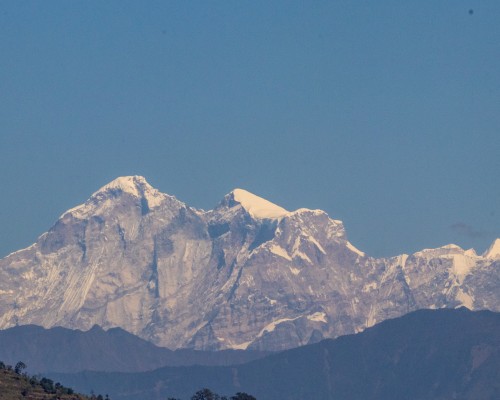
Annapurna Region Trekking Permit

Trekking in the Annapurna region requires two essential permits: the Annapurna Conservation Area (ACAP Permit) and the TIMS Card issued by the Trekking Agencies' Association of Nepal. These permits are mandatory for all trekkers and support conservation efforts, trail management, and trekker safety. Nepal New Generation Trek & Adventure ensures all required permits are arranged for a smooth and hassle-free trekking experience.

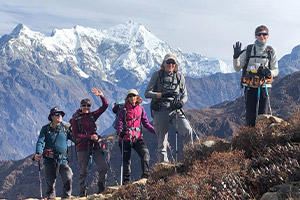
The Annapurna Region is one of the most famous trekking destinations in Nepal, known for its stunning हिमालय landscapes, diverse culture, and world-class trekking routes such as Annapurna Circuit and Annapurna Base Camp. Before starting your trek, it is essential to understand the permit requirements, costs, and procedures to ensure a smooth and legal journey. This detailed guide for 2026 provides complete information about trekking permits in the Annapurna Region.


Overview of Nepal Trekking Permit System

Nepal has a well-managed trekking permit system designed to support environmental conservation, tourism management, and trekker safety. Permit fees contribute to trail maintenance, waste management, wildlife protection, and community development in remote mountain areas.

Trekking regions in Nepal are divided into three categories:

  • Open / Unrestricted Areas: Popular regions like Annapurna, Everest, and Langtang require only conservation permits and TIMS cards. Independent trekking is allowed.
  • Restricted Areas: Remote regions such as Upper Mustang and Manaslu require special permits (Restricted Area Permit – RAP), licensed guides, and group trekking.
  • Protected Areas: Conservation areas and national parks require entry permits to support environmental preservation.

The Annapurna Region falls under a protected conservation area and is classified as a non-restricted trekking zone.


Required Permits for Annapurna Region Trekking

To trek in the Annapurna Region, you need the following two essential permits:

1. Annapurna Conservation Area Permit (ACAP)

The ACAP permit is mandatory for entering the Annapurna Conservation Area, the largest protected area in Nepal covering 7,629 square kilometers. Established in 1986, it is a globally recognized conservation model.

The ACAP fee supports:

  • Trail construction and maintenance
  • Environmental conservation and waste management
  • Reforestation and wildlife protection
  • Clean drinking water and sanitation projects
  • Local community development, schools, and health posts

2. Trekkers’ Information Management System (TIMS) Card

The TIMS card is a safety system introduced to track trekkers and assist in emergency rescue operations.

It provides:

  • Trekker registration and monitoring
  • Emergency response coordination
  • Checkpoint tracking system
  • Tourism data collection and safety management

Annapurna Region Permit Cost (2026)

For Foreign Nationals

  • ACAP Permit: NPR 3,000 (~USD 21)
  • TIMS Card: NPR 2,000 (~USD 14)
  • Total Cost: NPR 5,000 (~USD 35)

For SAARC Nationals (Including India)

  • ACAP Permit: NPR 1,000 (~USD 7)
  • TIMS Card: NPR 1,000 (~USD 7)
  • Total Cost: NPR 2,000 (~USD 14)

For Nepali Citizens

  • ACAP: Free
  • TIMS: Not required
  • Total Cost: NPR 0

Why Permit Costs Differ by Nationality

Nepal uses a tiered pricing system:

  • Foreign trekkers pay standard rates to support conservation and tourism infrastructure
  • SAARC nationals receive discounted rates to promote regional tourism
  • Nepali citizens are exempt or pay minimal fees

Where to Obtain Annapurna Permits

You can obtain permits from:

  • Nepal Tourism Board (Main permit office)
  • Pokhara (Tourism Board office)
  • Entry points such as Besisahar

Required Documents:

  • Valid passport with Nepal visa
  • Passport-size photographs
  • Completed application form
  • Permit fees in Nepali Rupees

Office Hours:

  • 24 Huurs online from Nepal New Generation Trek

Permits are generally issued on the 1 hours.


Important Rules and Regulations

  • Permits must be carried at all times during the trek
  • Regular checks are conducted at checkpoints such as Besisahar, Manang, Muktinath, and Jomsom
  • Permits are strictly non-transferable
  • Trekking without permits is illegal and can result in fines, deportation, or trekking bans

Independent vs Guided Trekking

The Annapurna Region allows independent trekking without a guide. However, hiring a licensed guide is highly recommended for safety, navigation, and cultural insight.

With Nepal New Generation Trek & Adventure Pvt. Ltd., all permit arrangements are handled professionally, ensuring a hassle-free trekking experience.


Conclusion

Trekking permits for the Annapurna Region are simple, affordable, and essential for responsible tourism. With a total cost starting from just NPR 5,000 for foreign trekkers, these permits provide access to one of the most spectacular trekking regions in the world while supporting conservation and local communities.

Choosing the right trekking partner like Nepal New Generation Trek & Adventure Pvt. Ltd. ensures a safe, well-organized, and unforgettable Himalayan adventure.


Other Related Services
What We Offer
Domestic Flights in Nepal
Domestic flights in Nepal provide a fast and scenic way to travel between major cities and remote trekking destinations. With key...
Hotel In Nepals
Nepal has different varieties of Hotels rating from Normal Tourist Guesthouses
Everest Base Camp Trekking Permit
Trekking to Everest Base Camp requires two essential permits: the Khumbu Pasang Lhamu Rural Municipality Entrance Permit and the S...
Langtang Region Trekking permit
Trekking in the Langtang region requires two essential permits: the Langtang National Park Entry Permit and the TIMS Card issued b...
Manaslu Region Trekking Termit Cost
Trekking in the Manaslu region requires several mandatory permits, including the Restricted Area Permit (RAP), Manaslu Conservatio...
Mustang Trekking Permit
Upper Mustang is a restricted trekking region in Nepal, located north of Kagbeni, known for its ancient Tibetan culture and dramat...
Dolpo Region Trekking Permit
Trekking in the Dolpo region requires special permits due to its restricted status. Upper Dolpo permits cost USD 500 for the first...
Makalu Region Trekking Permit
The Makalu Region Trekking Permit is required for all trekkers entering the Makalu Barun National Park and surrounding conservatio...
Humla Simikot–Limi Valley Trekking Permit
The Humla Simikot–Limi Valley Trekking Permit is a Restricted Area Permit (RAP) required for all trekkers entering the remote Huml...
Kanchenjunga Region Trekking Permit
Trekking in the Kanchenjunga region requires two essential permits: the Restricted Area Permit (RAP) and the Kanchenjunga Conserva...
Island peak permit
Climbing Island Peak (Imja Tse) requires an official permit issued by the Nepal Mountaineering Association, with costs varying by...
Mera Peak Permit
Climbing Mera Peak (6,470m) requires several official permits issued by the Nepal Mountaineering Association (NMA). The main climb...
Lobuche Peak Permit
Climbing Lobuche East Peak (6,119m) requires several mandatory permits, including the climbing permit issued by the Nepal Mountain...