Everest Base Camp Trekking Permit

Trekking to Everest Base Camp requires two essential permits: the Khumbu Pasang Lhamu Rural Municipality Entrance Permit and the Sagarmatha National Park Entry Permit. These permits ensure legal access to the Everest region and help support conservation and local community development. Nepal New Generation Trek & Adventure arranges all necessary permits for a smooth and hassle-free trekking experience.

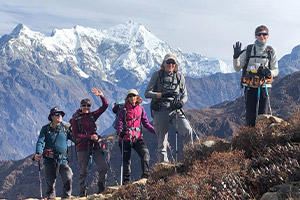
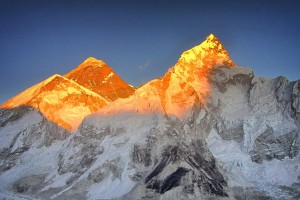
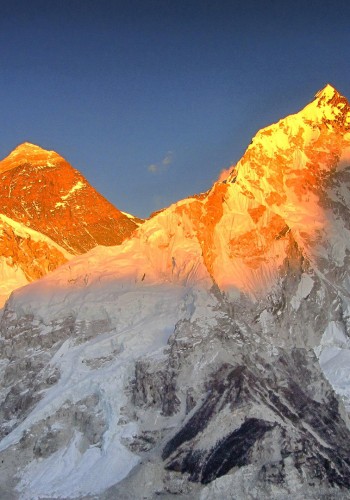
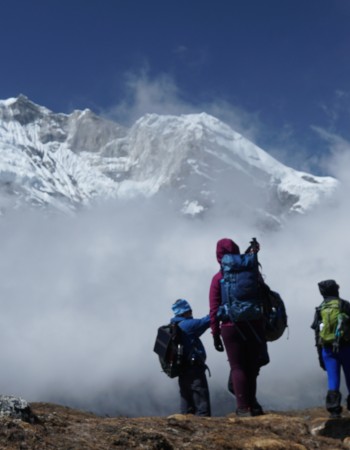
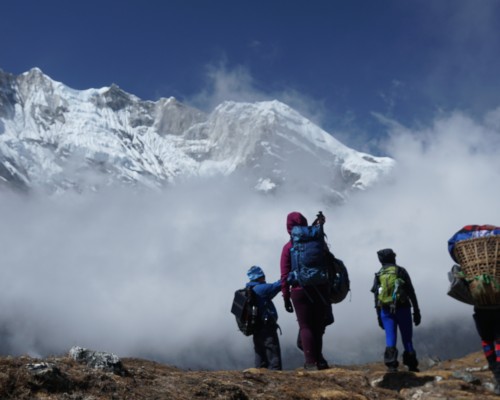
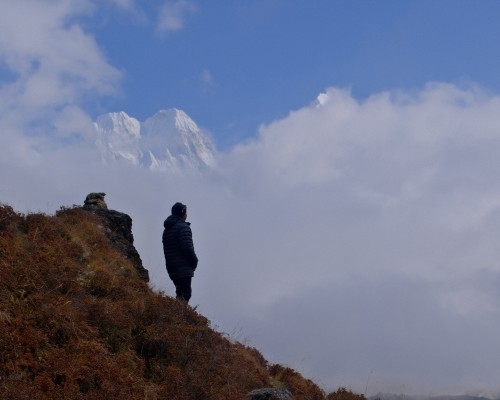
Trekking to Everest Base Camp (EBC) is one of the most iconic adventures in the world, taking you deep into the stunning Khumbu Region of Nepal. Surrounded by towering हिमालय peaks, including Mount Everest, this journey requires proper permits to ensure environmental conservation, local development, and trekker safety. This comprehensive 2026 guide explains all required permits, costs, procedures, and important regulations for the Everest Base Camp trek.


Overview of Everest Region Permit System

Unlike other trekking regions in Nepal, the Everest (Khumbu) region follows a slightly different permit system. The traditional TIMS (Trekkers’ Information Management System) card is generally not required here. Instead, trekkers must obtain two essential permits issued by national park authorities and the local municipality.

These permits help fund:

  • Environmental conservation
  • Trail maintenance
  • Waste management systems
  • Local community development
  • Trekker safety and monitoring

Required Permits for Everest Base Camp Trek (2026)

1. Sagarmatha National Park Permit

This permit is mandatory for entering Sagarmatha National Park, a protected area recognized globally for its natural beauty and biodiversity.

Cost (2026):

  • Foreign Nationals: NPR 3,000 + 13% VAT
  • SAARC Nationals: NPR 1,500
  • Nepali Citizens: NPR 100

Where to Obtain:

  • Nepal Tourism Board in Kathmandu
  • Entry gate at Monjo (on the trekking route)

Purpose:

  • Protect Himalayan ecosystems and wildlife
  • Maintain trekking trails
  • Support sustainable tourism

2. Khumbu Pasang Lhamu Rural Municipality Permit

This local permit has replaced the TIMS card in the Everest region and is required for all trekkers entering the Khumbu area.

Cost (2026):

  • NPR 3,000 per person (valid for first 4 weeks)

Where to Obtain:

  • Lukla (most common point)
  • Kathmandu through registered trekking agencies

Purpose:

  • Support local infrastructure and development
  • Improve trekking routes and facilities
  • Manage tourism within the Khumbu region

3. Gaurishankar Conservation Area Permit (Optional)

This permit is only required if you start your trek from Jiri instead of flying to Lukla.

Cost:

  • NPR 3,000 per person

Total Permit Cost for Everest Base Camp Trek

  • Sagarmatha National Park Permit: NPR 3,000 (+ VAT)
  • Khumbu Municipality Permit: NPR 3,000
  • Total Estimated Cost: NPR 6,000 – 6,500 (~USD 45–50)

Required Documents for Permits

To obtain your trekking permits, you will need:

  • Valid passport with Nepal visa
  • Passport-size photographs
  • Travel insurance details
  • Cash in Nepali Rupees (NPR)

Where to Get the Permits

Trekkers can obtain permits from:

  • Nepal Tourism Board
  • Monjo (Sagarmatha National Park entry point)
  • Lukla (Khumbu Municipality permit counter)

Permits are issued on the same day if all documents are complete.


Important Rules and Regulations

  • Permits must be carried at all times during the trek
  • Regular checks occur at Monjo, Lukla, Namche Bazaar, and other checkpoints
  • Permits are non-transferable and valid only for the registered trekker
  • Trekking without permits can result in heavy fines or legal action

Independent vs Guided Trekking

Independent trekking is allowed in the Everest region. However, trekking with a professional guide is strongly recommended for:

  • Navigation and route safety
  • Altitude sickness awareness
  • Cultural insights and local interaction
  • Emergency assistance

With Nepal New Generation Trek & Adventure Pvt. Ltd., all permits are arranged on your behalf, ensuring a hassle-free and well-organized trekking experience.


Why TIMS Card is Not Required in Everest Region

The TIMS card system has been replaced in the Everest region by the Khumbu Pasang Lhamu Rural Municipality permit. This allows local authorities to directly manage tourism and use funds for regional development and conservation.


Conclusion

The Everest Base Camp trekking permit system is simple and affordable, requiring only two main permits. With a total cost of around NPR 6,000, trekkers gain access to one of the most breathtaking destinations on Earth while contributing to conservation and local communities.

Choosing a reliable trekking partner like Nepal New Generation Trek & Adventure Pvt. Ltd. ensures all permits, logistics, and safety measures are handled professionally, allowing you to fully enjoy your once-in-a-lifetime journey to Everest Base Camp.


Other Related Services
What We Offer
Domestic Flights in Nepal
Domestic flights in Nepal provide a fast and scenic way to travel between major cities and remote trekking destinations. With key...
Hotel In Nepals
Nepal has different varieties of Hotels rating from Normal Tourist Guesthouses
Annapurna Region Trekking Permit
Trekking in the Annapurna region requires two essential permits: the Annapurna Conservation Area (ACAP Permit) and the TIMS Card i...
Langtang Region Trekking permit
Trekking in the Langtang region requires two essential permits: the Langtang National Park Entry Permit and the TIMS Card issued b...
Manaslu Region Trekking Termit Cost
Trekking in the Manaslu region requires several mandatory permits, including the Restricted Area Permit (RAP), Manaslu Conservatio...
Mustang Trekking Permit
Upper Mustang is a restricted trekking region in Nepal, located north of Kagbeni, known for its ancient Tibetan culture and dramat...
Dolpo Region Trekking Permit
Trekking in the Dolpo region requires special permits due to its restricted status. Upper Dolpo permits cost USD 500 for the first...
Makalu Region Trekking Permit
The Makalu Region Trekking Permit is required for all trekkers entering the Makalu Barun National Park and surrounding conservatio...
Humla Simikot–Limi Valley Trekking Permit
The Humla Simikot–Limi Valley Trekking Permit is a Restricted Area Permit (RAP) required for all trekkers entering the remote Huml...
Kanchenjunga Region Trekking Permit
Trekking in the Kanchenjunga region requires two essential permits: the Restricted Area Permit (RAP) and the Kanchenjunga Conserva...
Island peak permit
Climbing Island Peak (Imja Tse) requires an official permit issued by the Nepal Mountaineering Association, with costs varying by...
Mera Peak Permit
Climbing Mera Peak (6,470m) requires several official permits issued by the Nepal Mountaineering Association (NMA). The main climb...
Lobuche Peak Permit
Climbing Lobuche East Peak (6,119m) requires several mandatory permits, including the climbing permit issued by the Nepal Mountain...
Gaurishankar Region Trekking Permit
Trekking in the Gaurishankar region requires a Gaurishankar Conservation Area Permit (GCAP) and a TIMS card. These permits are ess...