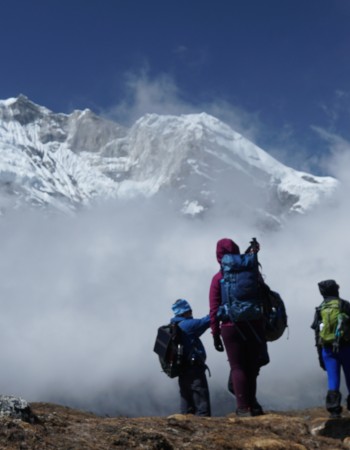
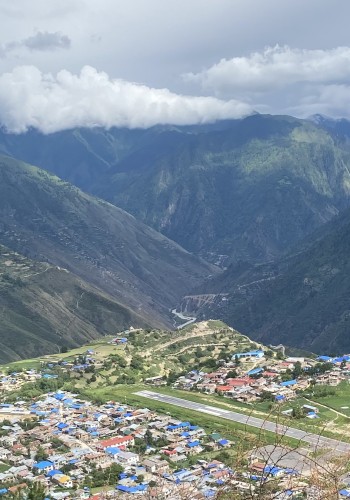
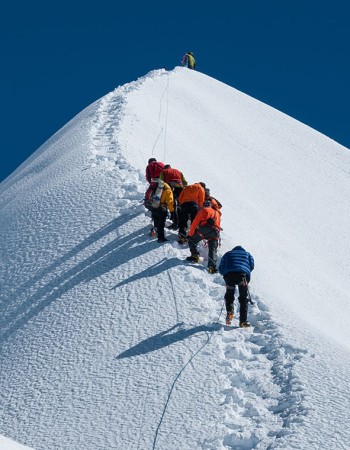
Trekking in the Gaurishankar region requires a Gaurishankar Conservation Area Permit (GCAP) and a TIMS card. These permits are essential for environmental conservation and trekker safety. They can be obtained in Kathmandu from the Nepal Tourism Board or the National Trust for Nature Conservation (NTNC), or applied for online through the NTNC e-permit system.
Trekking in the beautiful and remote Gaurishankar region of Nepal requires official permits to ensure environmental conservation, proper management, and the safety of trekkers. The region falls under the protection of the Gaurishankar Conservation Area Project (GCAP), managed by the National Trust for Nature Conservation (NTNC).
All trekkers entering the Gaurishankar Conservation Area must obtain the following permits:
1. Gaurishankar Conservation Area Permit (GCAP)
This is the primary permit required to access the region.
- Cost: NPR 3,000 (approx. USD 30) for foreign nationals
- Cost: NPR 1,000 (approx. USD 10) for SAARC nationals
The fee contributes directly to conservation efforts, biodiversity protection, and sustainable tourism development in the region.
2. TIMS Card (Trekkers’ Information Management System)
The TIMS card is mandatory for all trekkers in Nepal. It helps authorities track trekkers for safety, manage trekking activities, and assist in emergency rescue operations if needed.
Where to Obtain the Permits
Trekkers can obtain permits in Kathmandu from:
- Nepal Tourism Board
- NTNC Office
Permits can also be applied for online through the NTNC e-permit system for added convenience.
Important Guidelines and Information
- Advance Purchase Recommended:
It is strongly advised to obtain all permits before starting your trek. If purchased at entry checkpoints within the region, the cost may be doubled.
- Restricted Areas:
Some routes near the Nepal–Tibet border, such as Lamabagar, may require additional restricted area permits issued by the government.
- Required Documents:
Trekkers must provide a valid passport and passport-sized photographs when applying for permits.
- Guide and Trekking Regulations:
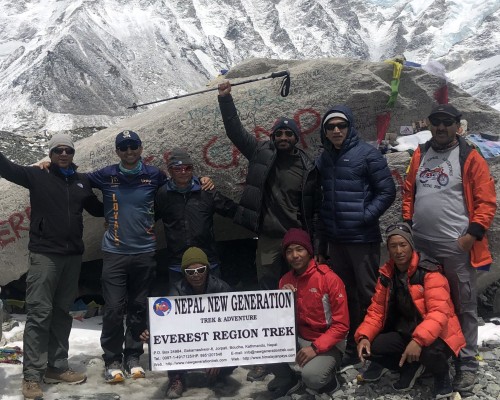
While parts of the Gaurishankar region allow independent trekking, hiring a licensed guide or going through a registered trekking agency like Nepal New Generation Trek & Adventure Pvt. Ltd. is highly recommended for safety, navigation, and cultural insight.